功能场景化

Search documents
从一整根到好自在:中式养生水如何破局?
新消费智库· 2025-12-12 03:42
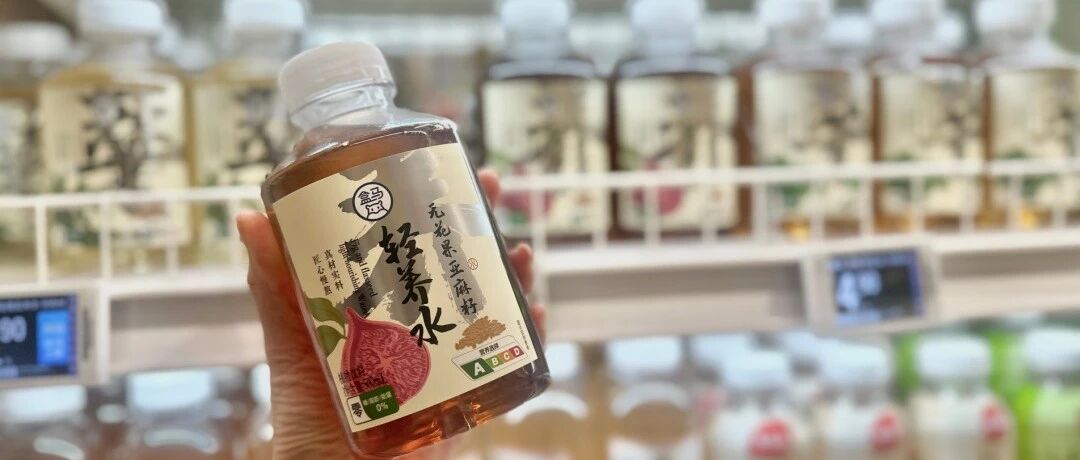
Core Viewpoint - The article discusses the strategic challenges faced by brands in the "Chinese health water" market, emphasizing the importance of clearly defining whether the product is perceived as "water" or "medicine" to avoid consumer confusion and market pitfalls [7][9][50]. Group 1: Market Dynamics - The "Chinese health water" market has gained significant attention, with various brands attempting to enter the space, driven by the perception of a large market and high profit margins [5][6]. - Brands like "Yizheng" have successfully utilized visual cues, such as showcasing whole ginseng roots, to create a perception of effectiveness among consumers [13][15]. - However, positioning products as "medicinal" can lead to low-frequency consumption, as consumers may only seek these products in specific situations, such as after staying up late [18][20]. Group 2: Strategic Traps - Brands that emphasize efficacy risk being categorized as "medicine," which limits their potential for daily consumption [20][26]. - Conversely, brands that downplay efficacy to compete in the beverage market face fierce competition from established players like Coca-Cola and other soft drinks [23][24]. - The article identifies two main traps: leaning too heavily towards "medicine" leads to low-frequency use, while leaning towards "beverage" results in competition in a saturated market [26]. Group 3: Successful Strategies - "Good Comfort" has adopted a unique approach by focusing on a specific problem—dampness—rather than strictly defining itself as "water" or "medicine," thus appealing to consumer needs in a more relatable way [31][40]. - The article suggests that brands should not only sell "functionality" but also "functional scenarios," addressing consumer needs in specific contexts [33][51]. - The ultimate breakthrough for health water brands lies in integrating into high-frequency consumer habits, such as replacing coffee or afternoon tea, rather than creating a new "health moment" [42][52]. Group 4: Recommendations for Founders - Brands must avoid ambiguity in positioning, clearly defining themselves as either low-frequency "medicine" or high-frequency "beverage" [50]. - Understanding that consumers purchase based on situational needs rather than abstract health concepts is crucial for market success [51]. - Focusing on replacing existing habits, such as coffee or tea, is more effective than attempting to create new health-related consumption moments [52][53].

英敏特:2025年酸奶与冷藏甜品未来趋势报告
Sou Hu Cai Jing· 2025-05-24 20:48
Core Insights - The report by Euromonitor highlights a recovery in the spoonable yogurt market after a decline, with a projected 9% growth in new dairy and plant-based product launches by 2025, primarily driven by the US, UK, and China [10][11] - Innovations are focusing on high protein (20% of new products claim to be high in protein or contain added protein), probiotics (12%), and vitamins and minerals (11%), while plant-based yogurt innovation remains low at only 9% [10][11] - The refrigerated dessert market is stable, with the UK and Japan as key markets, and private label prices have increased by 28% over the past three years, compared to a 14% increase for branded products [10][11] Market Trends for the Next Two Years - Yogurt is transitioning from a snack to a meal replacement and light food option, catering to diverse nutritional needs such as weight loss and gain [12][18] - Functional and enjoyable products are merging, with health-focused yogurts and desserts innovating flavors to attract specific consumer groups [13][25] - Brands are strengthening partnerships with farmers to enhance supply chain transparency and sustainability, showcasing the origin stories of ingredients [14][33] Long-term Trends (Next Five Years and Beyond) - Consumer focus on environmental toxins will drive the upgrade of "clean labels," with brands needing to disclose ingredient safety [2] - The yogurt and refrigerated dessert market will continue to innovate around precise nutrition, functional scenarios, and sustainable production [2]