可持续生产

Search documents
Adecoagro S.A. (NYSE: AGRO) Earnings Report Highlights
Financial Modeling Prep· 2026-03-17 04:00
Core Viewpoint - Adecoagro S.A. is a leading sustainable production company in South America, focusing on agriculture and renewable energy, and has shown resilience in revenue generation despite challenging conditions [1][2]. Financial Performance - For the earnings report on March 16, 2026, the company reported an earnings per share (EPS) of -$0.08, which met analyst expectations [2][6]. - Revenue for the period was approximately $415.9 million, exceeding the anticipated $371.9 million, indicating strong sales performance [2][6]. Strategic Developments - The acquisition of Profertil in 2025 is expected to enhance long-term value for the company [3]. - Despite a 4.8% decrease in annual crushing to 12.1 million tons due to adverse weather, the company remains optimistic about future productivity [3]. Stock Performance - Following the earnings release, AGRO's stock increased by 4.8%, opening at $10.17, reflecting positive investor sentiment [4][6]. - The stock's 50-day simple moving average is $8.67, and the 200-day average is $8.22, indicating positive momentum [4]. Financial Health - The company has a debt-to-equity ratio of 0.73, a quick ratio of 1.56, and a current ratio of 2.80, indicating strong liquidity [5]. - AGRO's enterprise value to sales ratio is approximately 4.85, and its enterprise value to operating cash flow ratio is around 23.64, reflecting its valuation relative to sales and cash flow [5]. - Despite a low earnings yield of 0.43%, the company's strategic moves and solid financial metrics position it well for future growth [5].


【建投观察】棕榈油:POC会议的八点洞见
Xin Lang Cai Jing· 2026-02-13 03:38
Core Viewpoint - The global vegetable oil market is undergoing a structural transformation, characterized by a slowdown in palm oil growth while the planting areas of soybean, sunflower, and rapeseed are expanding to fill the gap. Palm oil exports have decreased from a peak of 55.3 million tons in the 2018/19 season to an estimated 49.3 million tons in the 2024/25 season, with its share of global oil exports dropping from 57% to about 50% over the past seven years. This decline is primarily due to government interventions in Indonesia and aging plantations in Malaysia [3][11]. Group 1: Supply Dynamics - A structural supply deficit in global vegetable oils is evident, mainly due to the slowdown in palm oil area expansion (only 1.7 million hectares in the past five years) while soybean area has surged (e.g., Brazil increased by 9 million hectares). Experts predict that this supply gap will lead to higher price ranges, with palm oil expected to be priced between $1,000 and $1,350 per ton in 2026, significantly above the average of $733 from 2011 to 2020 [3][11]. - Malaysia's palm oil supply is constrained by aging trees and diseases, with 35% of the area expected to have trees older than 19 years by 2027. The country faces a production bottleneck, with a target of increasing yield from 3.5 tons per hectare to 4.5 tons through high-yield seed technology by 2035 [4][12]. - Indonesia's land seizure policies are exacerbating supply uncertainties, with plans to confiscate an additional 4-5 million hectares of illegal plantations. This has led to reduced fertilizer use and management issues, significantly lowering yield expectations [5][13]. Group 2: Competitive Landscape - Soybean oil is increasingly threatening the competitive advantage of palm oil, with soybean oil production growing six times faster than that of palm oil. The global soybean area has increased by 25.2 million hectares over five years, while palm oil has only expanded by 1.7 million hectares, prompting a focus on sustainable production practices [6][13]. - The biofuel policy is a critical variable for demand, with the potential confirmation of a strong biodiesel plan by the U.S. EPA in March 2026 likely to push soybean oil prices higher. Conversely, the delay of Indonesia's B50 plan is suppressing palm oil demand growth [5][14]. Group 3: Technological Innovations and Risks - Technological innovations, such as semi-dwarf oil palm trials, aim to improve harvesting efficiency, with potential yields reaching 34.4 tons per hectare per year. Malaysia is investing in automation and superior seed materials to overcome production ceilings, although recovery is currently slow [6][14]. - Climate change and geopolitical factors are amplifying supply risks, with 2025 expected to be one of the hottest years on record, increasing the costs of natural disasters and affecting global supply chains. The El Niño phenomenon may exacerbate drought conditions, further constraining palm oil production [7][15]. Group 4: Demand Trends - Demand trends in India and China are diverging, with global edible oil consumption expected to increase by 7.1 million tons from 2025 to 2026, while production is only projected to rise by 5.3 million tons, creating a notable supply gap. India's palm oil imports are expected to reach 9.1 million tons, while soybean oil imports are projected at 5.4 million tons [8][15]. - In the short term, palm oil is gradually reducing inventory pressure, with MPOB inventory data dropping to 2.82 million tons. The report indicates that Malaysian palm oil exports exceeded mainstream estimates, contributing to a neutral to bullish outlook [8][15].

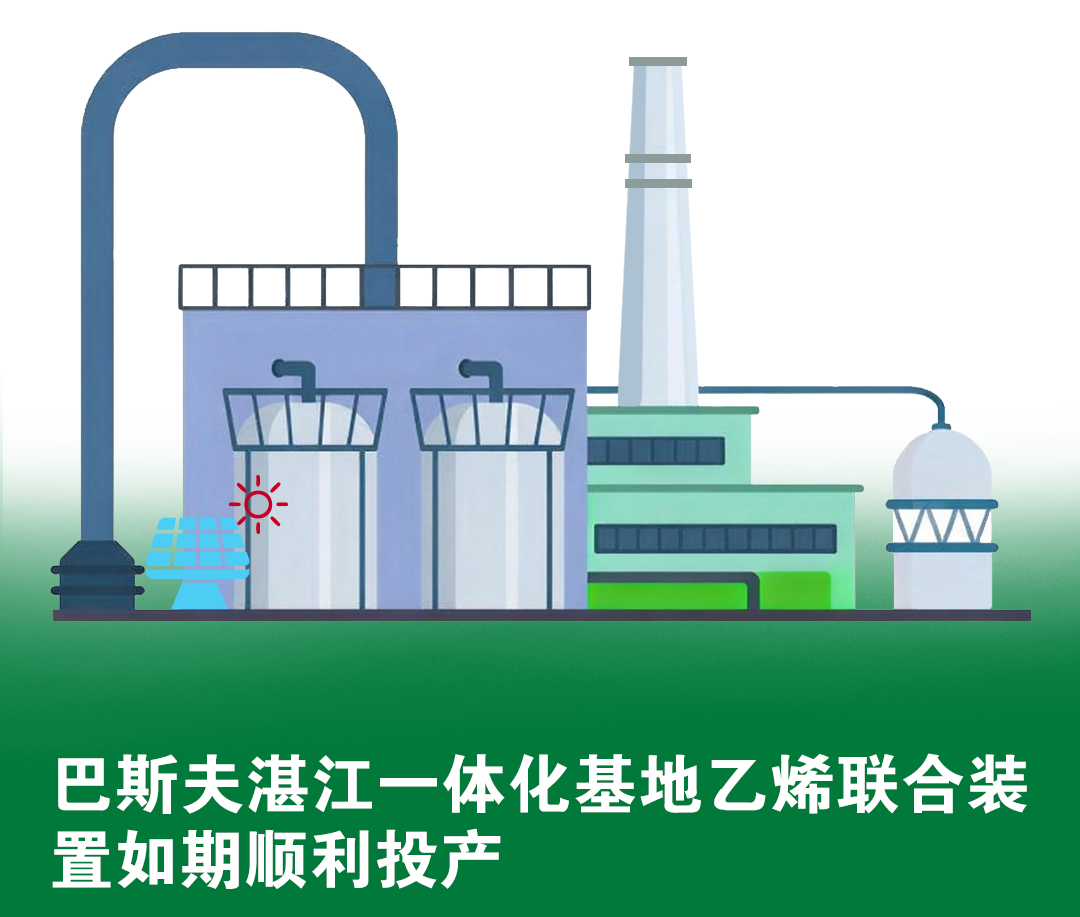
巴斯夫湛江一体化基地乙烯联合装置如期顺利投产
Xin Lang Cai Jing· 2026-01-07 12:05
Core Viewpoint - BASF's integrated ethylene plant in Zhanjiang, South China, has successfully commenced operations, marking the world's first ethylene unit fully powered by renewable energy [1][5]. Group 1: Production and Capacity - The ethylene unit serves as the core of the integrated facility, providing essential chemicals like ethylene and propylene, which are fundamental to various chemical value chains [3]. - The plant is designed to achieve an annual production capacity of 1 million tons of ethylene [3]. Group 2: Strategic Importance - Following the recent successful launch of multiple downstream propylene units, BASF's Zhanjiang facility has also safely initiated its production of ethylene oxide, ethylene glycol, and polyethylene [4]. - The Zhanjiang integrated base will become BASF's third-largest integrated production site globally, following Ludwigshafen and Antwerp, and is set to be a model for sustainable production in China and worldwide [4]. Group 3: Market Focus - The products from the Zhanjiang integrated base will primarily supply China, which is recognized as the largest and fastest-growing chemical market globally [4].

苏丹确定努比亚湖和麦罗维湖休渔期
Shang Wu Bu Wang Zhan· 2025-11-28 02:48
Core Points - Sudan has established a fishing ban period for Lake Nubia and Lake Merowe from February 15 to April 1, 2026, to combat overfishing and protect fish resources [1] Group 1 - The decision aims to ensure sustainable production during the fish breeding and spawning season [1] - The initiative is part of efforts by the Northern State's Supreme Council for Animal Resources, Fisheries, and Pastures to address environmental concerns [1]
2025科隆世界食品博览会聚焦可持续增长,中国企业以实力与创意亮相国际舞台
Zhong Guo Shi Pin Wang· 2025-10-09 09:10
Core Insights - The Anuga trade fair in Cologne, held from October 4 to 8, 2025, focused on "Sustainable Growth" and featured over 8,300 exhibitors from 110 countries, highlighting its role as a key platform for innovation and trends in the global food industry [1][14] - The event showcased ten specialized sectors, including meat, dairy, beverages, organic foods, and alternative proteins, with a new section dedicated to alternative proteins becoming a focal point [1] - South Korea was the guest country, presenting innovations in fermented foods, plant-based dining, and healthy snacks, reflecting the integration of Asian culinary culture with international markets [1] Industry Trends - The "Anuga Taste Innovation Show" featured 608 companies submitting nearly 1,900 new products, with 62 selected for the annual innovation list, showcasing diverse explorations in health and sustainability [3] - The "Anuga Trend Zone" included forums and events focusing on halal food standards, organic products, and the intersection of green agriculture and food technology [5] - A report indicated six major trends in the global food industry: the independence of plant-based foods, the rise of personalized nutrition, clean labels and transparency, flavor innovation alongside health, sustainable production as a standard, and private label differentiation [7] Company Highlights - Zunming Tofu Co., a 31-year-old company from Hangzhou, showcased various plant protein products, emphasizing green production and the potential of traditional foods like fermented tofu to reach international markets [9] - Teward Food Co., established for 24 years, introduced several ready-to-eat dishes, aligning with consumer trends for convenience and health, while navigating export challenges [10] - Qingdao Kaichuang Food Co., a leading canned food producer in China, highlighted its commitment to ESG principles and showcased its products, which have a 90% export rate, at the fair [12]

新技术有望显著降低手性药物生产成本
Xin Hua She· 2025-09-22 07:10
Core Insights - A new drug production technology developed by American researchers can synthesize a chiral molecule from glucose, potentially reducing the production costs of various prescription drugs significantly [1][2] - Chiral drugs are among the most expensive types of medications, with their high costs largely attributed to the expensive chiral building blocks required for synthesis [1] - The innovative process allows for the efficient production of (S)-3-hydroxy-gamma-butyrolactone (HBL), a key component in the synthesis of statins, antibiotics, and HIV inhibitors [1] Cost Reduction and Sustainability - The new method can lower production costs by over 60% compared to traditional petroleum-derived processes, while also reducing greenhouse gas emissions [1] - Glucose, which can be extracted from wood pulp and sawdust, provides a sustainable raw material for HBL production, opening new pathways for sustainable manufacturing [1] - The breakthrough in HBL production not only lowers costs for chiral drugs but also allows for the co-production of commercially valuable chemicals like glycolic acid, enhancing economic feasibility [2]
Adecoagro S.A.(AGRO) - 2025 Q2 - Earnings Call Transcript
2025-08-19 15:00
Financial Data and Key Metrics Changes - Consolidated adjusted EBITDA for Q2 2025 reached $55 million, with year-to-date EBITDA amounting to $91 million, reflecting a 60% year-over-year decline in both periods [10][11][12] - Sales totaled $392 million during Q2, with year-to-date sales reaching $716 million, driven by higher volumes sold across operations despite lower prices [10][11] Business Line Data and Key Metrics Changes - In the Sugar, Ethanol, and Energy business, crushing volume was 20% lower year-over-year due to fewer effective milling days and a selective slower milling pace [12][13] - Farming business reported a 12% year-over-year increase in total production, attributed to higher planted area and record productivity in rice operations [12][20] - Adjusted EBITDA for the Farming business totaled $1 million during the quarter, with year-to-date EBITDA at $18 million, impacted by lower international prices and higher costs [21][23] Market Data and Key Metrics Changes - Rice prices have significantly decreased, but customized rice varieties at premium prices are being offered to offset global price drops [7] - Dairy processing volumes are increasing due to a growing market presence, while efforts are ongoing to expand the product portfolio [7][20] Company Strategy and Development Direction - The company aims to be the lowest cost producer while diversifying operations across geographies and products, which serves as a natural hedge against commodity price fluctuations and weather risks [5][6] - A memorandum of understanding was signed with Tether to explore using a portion of energy production for bitcoin mining, indicating a potential innovative project [8] - The company is focusing on improving margins by reducing leased area by approximately 30% in response to challenging price and cost conditions [7][21] Management's Comments on Operating Environment and Future Outlook - Management expressed optimism about reaching similar crushing levels to the previous year despite a difficult start to the season, citing improved crushing rates in July and August [31][32] - The company is constructive about sugar and ethanol prices, anticipating a potential increase due to lower sugarcane yields and strong ethanol demand [35][36] - Management acknowledged the need to maintain a net leverage ratio below 2.0 times EBITDA while exploring both organic and inorganic growth opportunities [67][68] Other Important Information - Net debt increased to $699 million, 11% higher year-over-year, primarily due to higher short-term borrowings for working capital [23][24] - The company has committed $45 million to shareholder distribution, including dividends and share repurchases [27] Q&A Session Summary Question: Expectations for crushing figures and sugar prices - Management indicated that despite a challenging first quarter, they expect to crush similar amounts of sugarcane as last year, driven by improved performance in July and August [31][32] - They anticipate sugar prices to react positively due to lower sugarcane yields and strong ethanol demand [35][36] Question: Quality of cane and yield expectations - Management expects yields to be flat year-over-year, with a slight decrease in TRS content due to frost affecting sugarcane [41][45] Question: Triggers for hedging next season - Management believes sugar prices could react in the short term based on Brazilian crop impacts, with plans to accelerate hedging once market conditions clarify [54][55] Question: Partnership with Tether and its impact - The partnership is seen as a potential opportunity to sell energy at attractive prices, with ongoing evaluations to determine feasibility [74]
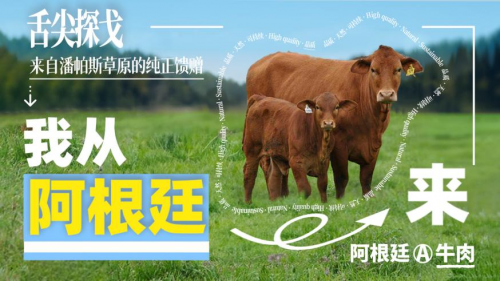
阿根廷牛肉健康营养季圆满收官,推动深度拓展中国市场
Zhong Guo Shi Pin Wang· 2025-06-30 07:29
Core Insights - The "Argentinian Beef Health and Nutrition Season" has successfully concluded, marking a new phase in brand communication for Argentinian beef in the Chinese market, focusing on nutrition and health [1][15] - The campaign aims to enhance the perception of high-quality beef in modern lifestyles and address the evolving dietary structure, food safety, and health awareness among Chinese consumers [1][13] Group 1: Campaign Overview - The campaign was initiated by the Argentinian Beef Promotion Institute (IPCVA) and ran from April to June 2025, emphasizing the synergy between nutrition and exercise [3][15] - A content matrix was developed, featuring short videos and articles created in collaboration with nutritionists and health influencers, targeting various dietary and exercise needs [3][5] Group 2: Engagement Strategies - A "Healthy Nutrition Recipe" was launched to enhance the practicality of the campaign, showcasing Argentinian beef's nutritional density and cooking convenience across typical meal scenarios [5] - A special offline event was held in Beijing, combining fitness training, nutrition lectures, and beef tasting, allowing participants to experience the benefits of beef protein firsthand [7][10] Group 3: Market Positioning - The IPCVA participated in the 2025 Tianjin V1 Racing Sports Carnival, linking nutrition with high-intensity sports to enhance brand penetration among younger demographics [10] - As Chinese consumers increasingly prioritize food nutrition, safety, and sustainability, Argentinian beef is positioned as a key option due to its natural rearing, antibiotic-free feeding, and balanced amino acid profile [13][15] Group 4: Future Directions - The success of the campaign has improved consumer awareness of the nutritional value of high-quality beef and promoted the concept of "scientific meat consumption" [15] - The IPCVA plans to continue investing in health education, sustainable production messaging, and consumer education to strengthen long-term trust in food culture and trade cooperation between China and Argentina [15]
英敏特:2025年酸奶与冷藏甜品未来趋势报告
Sou Hu Cai Jing· 2025-05-24 20:48
Core Insights - The report by Euromonitor highlights a recovery in the spoonable yogurt market after a decline, with a projected 9% growth in new dairy and plant-based product launches by 2025, primarily driven by the US, UK, and China [10][11] - Innovations are focusing on high protein (20% of new products claim to be high in protein or contain added protein), probiotics (12%), and vitamins and minerals (11%), while plant-based yogurt innovation remains low at only 9% [10][11] - The refrigerated dessert market is stable, with the UK and Japan as key markets, and private label prices have increased by 28% over the past three years, compared to a 14% increase for branded products [10][11] Market Trends for the Next Two Years - Yogurt is transitioning from a snack to a meal replacement and light food option, catering to diverse nutritional needs such as weight loss and gain [12][18] - Functional and enjoyable products are merging, with health-focused yogurts and desserts innovating flavors to attract specific consumer groups [13][25] - Brands are strengthening partnerships with farmers to enhance supply chain transparency and sustainability, showcasing the origin stories of ingredients [14][33] Long-term Trends (Next Five Years and Beyond) - Consumer focus on environmental toxins will drive the upgrade of "clean labels," with brands needing to disclose ingredient safety [2] - The yogurt and refrigerated dessert market will continue to innovate around precise nutrition, functional scenarios, and sustainable production [2]