动态监测

Search documents
江西、上海等地发布小贷监管细则,2026年利率、资金、风控延续全穿透
Xin Lang Cai Jing· 2026-01-23 07:15
Core Viewpoint - The trend of stringent financial regulation is deepening along the business chain, comprehensively covering various market participants in the credit sector [1][14]. Regulatory Developments - On January 6, 2025, the Jiangxi Provincial Financial Management Bureau issued the "Implementation Rules for the Supervision and Management of Small Loan Companies," which limits the operational scope of small loan companies to local areas and prohibits cross-provincial operations [1][14]. - Following the issuance of the "Interim Measures for the Supervision and Management of Small Loan Companies" by the National Financial Supervision Administration, various local financial management bureaus have released similar supervisory documents since 2025, indicating a comprehensive regulatory trend in the credit sector [1][14]. Interest Rate Regulations - The "Notice on Strengthening the Management of Internet Loan Business by Commercial Banks" implemented in October 2025 sets a 24% cap on the comprehensive financing cost for single loans [4][17]. - In November 2025, some licensed consumer finance companies were instructed to stop issuing products with an annualized interest rate exceeding 20% and to adjust existing products by March 2026 [4][17]. - A regulatory document issued at the end of 2025 requires small loan companies to limit the comprehensive financing cost of new loans to a maximum of 24% and to gradually reduce it to within four times the one-year loan market quotation rate (approximately 12%) by the end of 2027 [5][18]. Risk Control Measures - Regulatory requirements mandate the establishment of a list management system to block risk transmission from the source, requiring financial institutions to manage platform operators and credit enhancement service providers through a list [6][19]. - The cap on the proportion of guarantee and credit enhancement business was reduced from 50% to 25%, significantly decreasing profit margins for these business models [6][20]. Funding Compliance Adjustments - The "Asset Management Trust Management Measures (Draft for Comments)" issued in October 2025 prohibits trust companies from engaging in channel and fund pool businesses, indicating strict regulation of funding operations in consumer finance [7][20]. - Licensed consumer finance companies received notifications in November 2025 to suspend the issuance of asset-backed securities (ABS) and financial bonds, with already approved but unissued products also being halted [7][20]. Payment Chain Regulations - Regulatory measures introduced in December 2025 prohibit certain payment companies from opening payment accounts for financial institutions, particularly small loan companies, and require investigations into institutions with internal annualized returns exceeding 24% [8][21]. - Payment companies have begun to suspend certain types of business to comply with regulatory guidance aimed at cleaning up existing business models in the small loan and assistive lending sectors [8][22]. Dynamic Monitoring and Future Outlook - The financial industry's regulation is characterized by dynamic adjustments and continuous monitoring, with a focus on grey areas in the credit sector [11][24]. - The consensus among industry participants is that regulatory measures will become increasingly stringent in 2026, impacting funding costs, asset pricing, and operational models [12][25]. - The fundamental goal of regulatory frameworks is to guide the industry towards lowering comprehensive financing costs and ensuring compliance, rather than allowing institutions to maintain high rates through circumvention [12][26].
动态监测+智能调度 各地全力促进迎峰度冬期间能源保供
Yang Shi Xin Wen· 2025-11-22 03:23
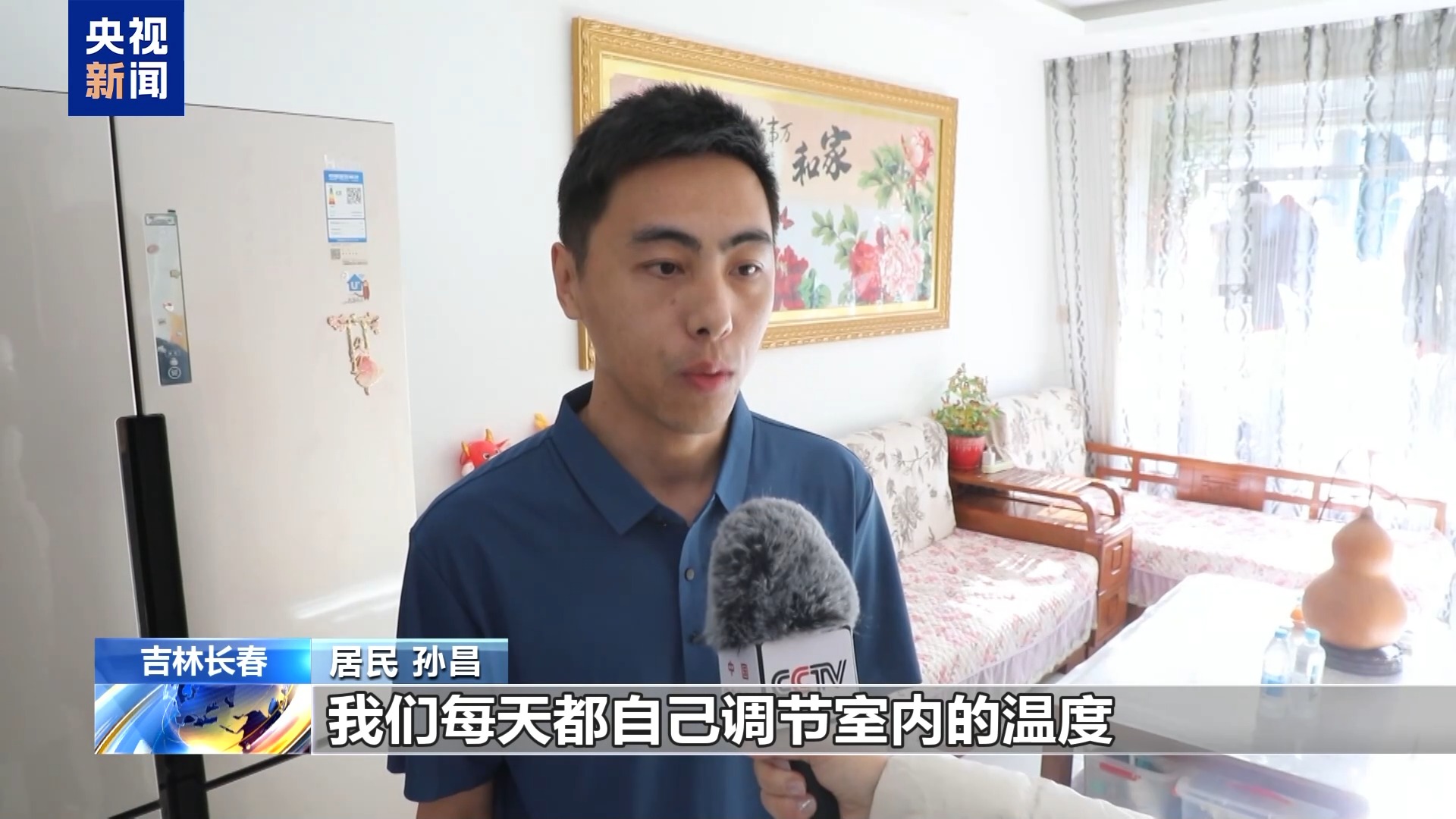
Group 1: Natural Gas Usage Increase - The use of natural gas has significantly increased as temperatures drop across various regions, with cities implementing dynamic monitoring and intelligent scheduling to ensure supply during peak demand [1] - In Changchun, Jilin Province, more households are adopting natural gas for heating, contributing to a gradual increase in the city's low-carbon winter [2][4] - Jilin Province is advancing the "Gasification Jilin" project, aiming to enhance pipeline coverage and the proportion of natural gas usage, with users increasing at an annual rate of approximately 8% [6] Group 2: Natural Gas Supply and Production - China Petroleum Northeast Oil and Gas Company reported that natural gas production has reached 3.4 million cubic meters, a 10% increase compared to the same period last year, ensuring sufficient supply for winter [8] - In Zhoushan, Zhejiang Province, the liquefied natural gas (LNG) receiving station is operating at full capacity, utilizing intelligent management to ensure safe and efficient gas transportation to meet both residential and industrial needs [9][15] Group 3: Intelligent Production and Energy Supply - In Yulin, Shaanxi Province, intelligent production and refined management are being employed to ensure stable energy supply during the critical heating season [16] - The Yushuwan coal mine utilizes a highly automated production line, allowing remote control of coal production and transportation, with a daily output of 50,000 tons primarily sold to Shandong, Henan, and Hebei provinces [22] - The introduction of a smart cloud platform in Yulin integrates control resources for nearly 600 heat exchange stations and over 1,300 units, enabling 24-hour real-time monitoring and intelligent regulation [26]