
区域交通一体化

Search documents
从“双城生活”到“同城体验”,看京津冀如何改写通勤日常?
Xin Lang Cai Jing· 2026-02-28 02:44
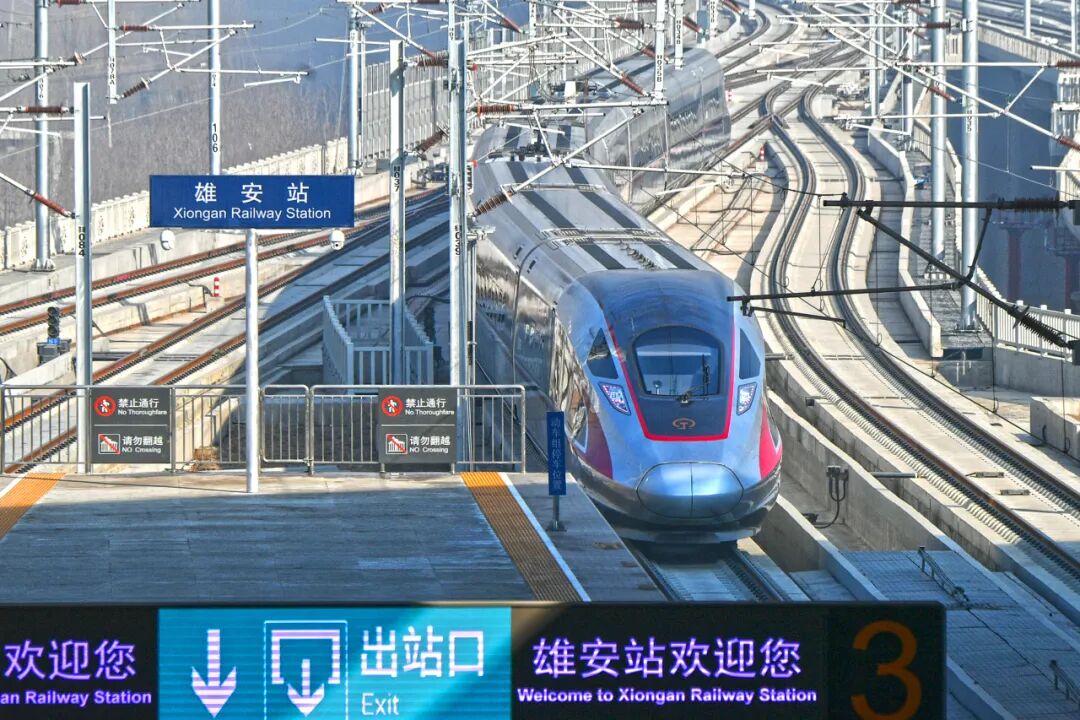
Core Insights - The integration of transportation networks in the Beijing-Tianjin-Hebei region has advanced significantly, transitioning from connectivity to rapid connectivity, with customized express buses and regular cross-province public transport operations enhancing commuter experiences [1][4] Group 1: Transportation Infrastructure Development - By the end of 2025, the operational railway mileage in the Beijing-Tianjin-Hebei region is expected to exceed 11,000 kilometers, marking a nearly 40% increase since 2014, while the total highway mileage will reach 11,000 kilometers, reflecting a 41.7% growth [2] - Major railway projects such as the Beijing-Harbin High-Speed Railway and the Beijing-Tanggu Intercity Railway have been completed, enabling travel between major cities in the region within 1.5 to 2 hours [2] Group 2: Cross-Province Commuting Solutions - The transportation department has launched 41 regular cross-province bus routes, serving 17 surrounding counties and cities, with an average daily passenger volume exceeding 230,000 [4] - Customized express buses have been introduced, with 12 main lines and over 50 branch lines, transporting an average of 9,500 commuters daily [4] Group 3: Technological Advancements - The Beijing section of the Jingxiong Expressway has become the first smart highway in the country to achieve full 5G coverage, while autonomous driving trials are being conducted on various routes [5] Group 4: Future Planning and Integration - The "Modern Capital Metropolitan Area Spatial Coordination Plan (2023-2035)" aims to integrate key sectors such as industry, transportation, ecology, and public services into a cohesive spatial framework [6] - Beijing will focus on enhancing the transportation network and optimizing customized bus services based on commuter demand, with plans to promote intercity bus operations from Tianjin to Tongzhou [6][8]

复兴路(新武金堤路—白沙洲大道)全线贯通
Chang Jiang Ri Bao· 2025-12-15 11:21
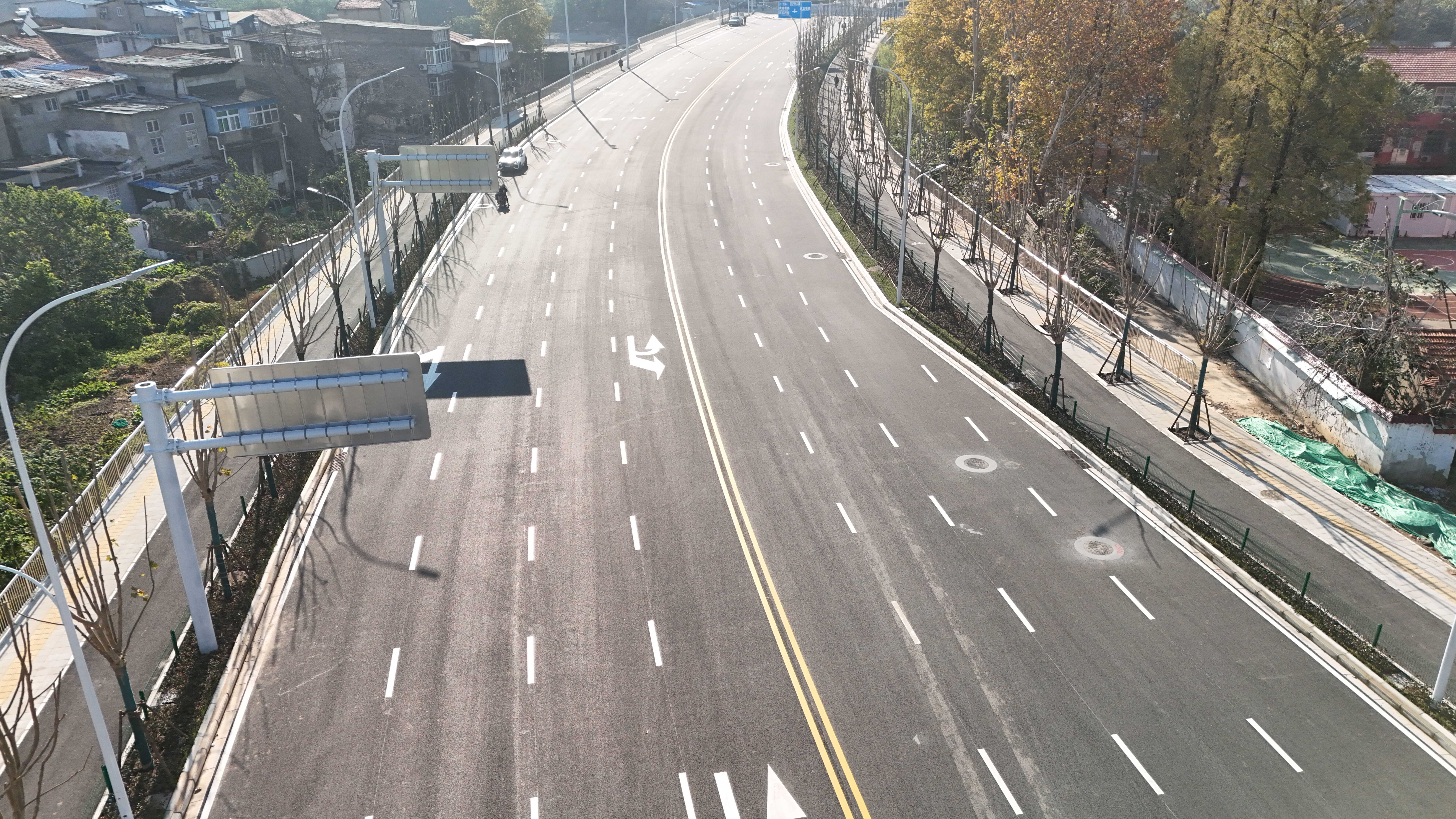
Core Viewpoint - The completion of the Fuxing Road project significantly enhances transportation connectivity in the Baishazhou area, benefiting nearly 30,000 residents by improving access and reducing travel time to major roads [1][4][6]. Group 1: Project Overview - Fuxing Road, located in Wuchang District, has a total length of 1,379 meters, with the specific section from Xinwujin Road to Baishazhou Avenue measuring 444 meters long and 40 meters wide, featuring six lanes for two-way traffic [4]. - The project includes road construction, drainage systems, traffic lighting, and landscaping, and is a key transportation artery in Wuhan [4][9]. Group 2: Impact on Local Residents - Residents near the Bapu Street subway station, such as Guo Qiang from Century New Yangtze, reported that the new road reduces travel time to Baishazhou Avenue from 15 minutes to just 2 minutes, alleviating previous traffic congestion [6]. - The road's opening facilitates better access for residents of nearby communities, including Century New Yangtze, Tiedong Community, and Bapu Street, significantly improving the regional traffic environment [4][9]. Group 3: Transportation Integration - The Fuxing Road completion integrates regional transportation, with two entrances of Line 5's Bapu Street station located within the new road section, enhancing the connection between rail and surface public transport [9]. - The new road creates a continuous route from Jiyu Bridge through the Yellow Crane Tower Tunnel to the second, third, and fourth ring roads, providing a vital second main road linking the Baishazhou area to the core of Wuchang [9].
宁波地铁7号线正式开通运营
Huan Qiu Wang· 2025-09-25 13:34
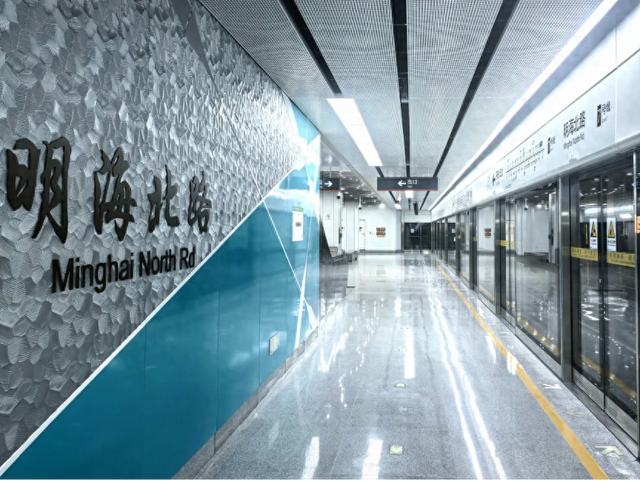
Core Points - Ningbo Metro Line 7 has officially commenced operations, enhancing the city's transportation network [1][3] - The line spans 39.4 kilometers, is entirely underground, and includes 25 stations, connecting key areas in Ningbo [3] - The opening of Line 7 increases the total operational mileage of Ningbo's metro network to 262 kilometers, significantly contributing to regional transportation integration and economic development [3] Project Details - China Communications First Public Bureau Electric Company was responsible for the construction of ventilation, air conditioning, power lighting, masonry decoration, drainage, and fire protection for two stations and their respective sections [3] - The project team effectively managed construction challenges, including tight schedules and complex coordination among multiple systems, ensuring safety and quality standards were met [3] - Successful completion of the project aligns with the goals of timely delivery, safety control, and quality enhancement [3]
加强市内外交通衔接,宁波7号线开通运营
Zhong Guo Qing Nian Bao· 2025-08-31 12:45
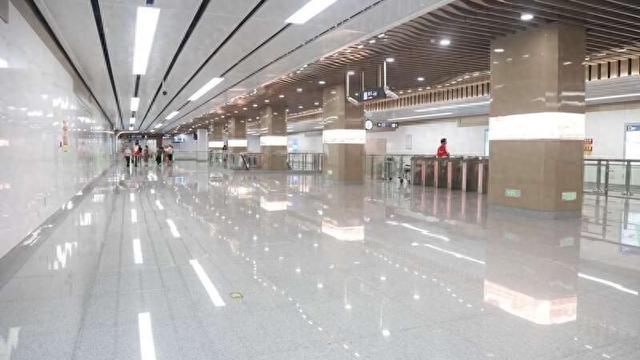
Core Viewpoint - The opening of Ningbo Metro Line 7 significantly enhances urban transportation connectivity and supports regional development, with a total operational mileage of 262 kilometers for the Ningbo rail transit network [2][3]. Group 1: Project Overview - Ningbo Metro Line 7 spans approximately 39.4 kilometers, entirely underground, with 25 stations connecting key areas such as Yinzhou, Jiangbei, and Zhenhai [2]. - The line aims to improve traffic integration between different districts, thereby enhancing the city's overall competitiveness and facilitating regional development [2]. Group 2: Benefits and Innovations - The new line is expected to save commuters an average of 20 minutes in travel time, improving daily convenience for residents [2]. - Multiple stations on Line 7 utilize prefabricated assembly methods, which reduce construction time by about 40% and lower energy consumption, aligning with environmental sustainability goals [2]. Group 3: Integration with Other Transport Modes - The project includes the addition and optimization of 28 bus stops and transfer facilities, effectively addressing the "last mile" issue for citizens [3]. - A multi-layered, barrier-free transfer system is being established, integrating metro, bus, shared bicycles, and ride-hailing services for all-weather convenience [3]. Group 4: Future Developments - The opening of Line 7 is part of a broader strategy to alleviate traffic pressure in Ningbo and promote urban industrial upgrades through models like "metro + culture" and "metro + commerce" [3]. - Future plans include further enhancements to the rail transit network, aiming for a greener, more efficient, and smarter urban transportation system [3].
7月1日起全国铁路实施新运行图 国铁北京局将首次开行北京至成都间夕发朝至动卧列车
Bei Jing Shang Bao· 2025-06-25 10:11
Core Viewpoint - The upcoming railway schedule adjustment effective from July 1 aims to enhance passenger and freight transport capabilities, service quality, and operational efficiency, supporting high-quality economic development and convenient travel for passengers [1] Group 1: Passenger Transport Enhancements - The new schedule allows the Beijing-Harbin high-speed railway's Beijing-Shenyang section to operate at a speed of 350 km/h, reducing travel time from Beijing to Shenyang to 2 hours and 29 minutes, a 15-minute improvement [1] - The adjustment introduces new high-speed train services, including routes from Beijing Fengtai to Chengdu East and Beijing Fengtai to Guiyang North, providing more travel options for passengers [2] - Additional commuter trains have been added to improve short-distance travel and commuting efficiency in the Beijing-Tianjin-Hebei metropolitan area, including increased train stops in surrounding counties [3] Group 2: Freight Transport Improvements - The railway authority has optimized freight train operations, adding new rapid freight services and multi-modal transport options to enhance logistics efficiency and reduce social logistics costs [4] - New freight train routes have been established, including services from Nanjing East to Zhou Lizhuang and from Shijiazhuang to various destinations, supporting regional economic development and supply chain stability [4]