
医保商保药品目录

Search documents
2026年,这些新规将改变你我的生活!
Sou Hu Cai Jing· 2026-01-03 07:51
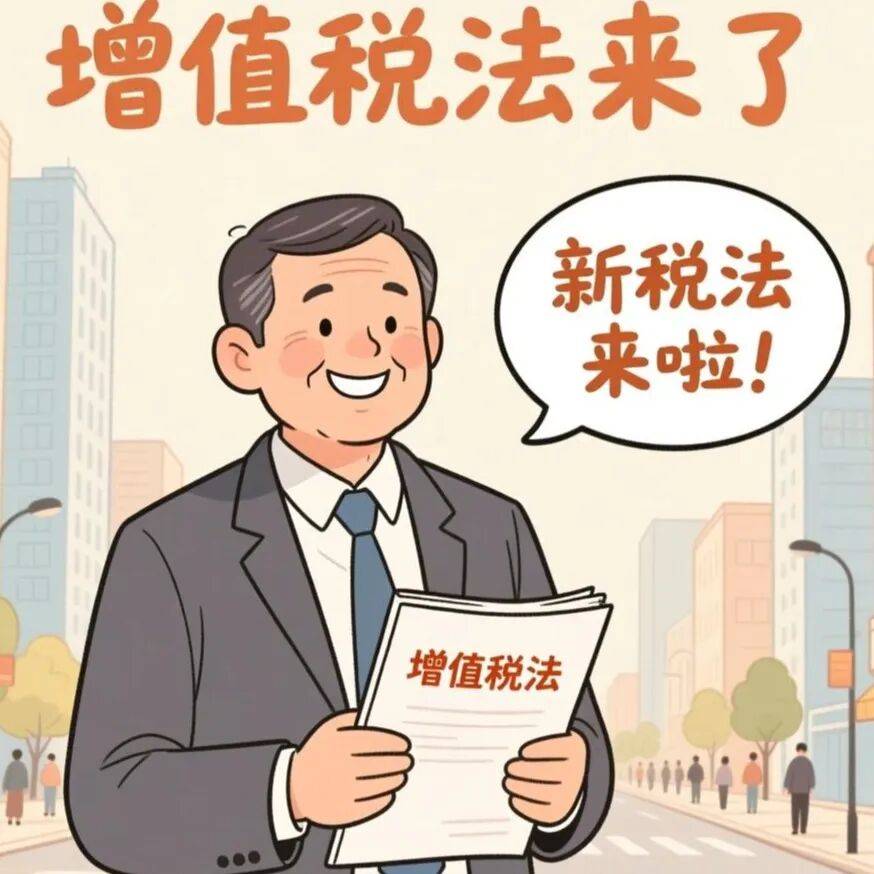
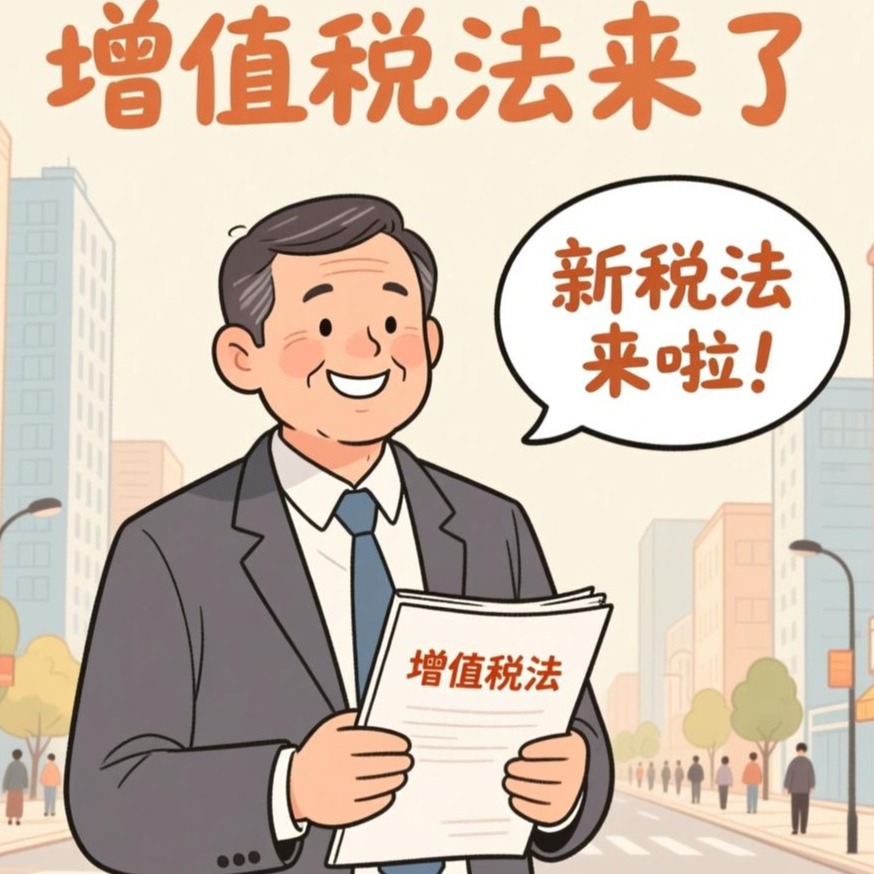
Group 1: Tax Regulations - The new Value-Added Tax (VAT) Law and its implementation regulations will take effect on January 1, 2026, clarifying taxpayer obligations and taxable transactions [2] - Personal housing sales tax policy has been optimized, with a 3% tax rate for properties sold within two years and exemption for properties sold after two years [4] Group 2: Healthcare and Pharmaceuticals - The new National Basic Medical Insurance and Commercial Health Insurance Drug Catalogs will be implemented, adding 114 new drugs, including 36 cancer medications and 12 chronic disease medications [6][18] - The new drug catalog in Hebei province will manage traditional Chinese medicine and set personal payment ratios for various drug categories [18] Group 3: Environmental Regulations - A new regulation will allow the trading of pollution rights for certain air and water pollutants within specified regions, effective January 1, 2026 [21] Group 4: Education and Childcare - New regulations for kindergarten fees will implement a clear fee list, prohibiting any unlisted charges [14] - The new policy for higher vocational education entrance exams in Hebei will ensure equal treatment for students eligible for preferential policies [19] Group 5: Technology and Security - The revised Cybersecurity Law will enhance AI regulation and protect virtual property rights, with new legal provisions for data and virtual property disputes [17]

新版医保商保药品目录实施 罕见病患儿用上商保“救命药”
Xin Lang Cai Jing· 2026-01-02 23:43
Core Insights - The new national basic medical insurance drug list and the first commercial health insurance innovative drug list were implemented in Beijing on January 1, including 114 new drugs in the basic insurance and 19 innovative drugs in the commercial insurance [1][2] Group 1: National Basic Medical Insurance Drug List - The updated national medical insurance directory includes a total of 3,253 drugs, with 114 new additions covering critical areas such as cancer, chronic diseases, and rare diseases [1] - New drugs include treatments for triple-negative breast cancer and rare diseases like Langerhans cell histiocytosis [1] Group 2: Commercial Health Insurance Drug List - The commercial insurance list includes 19 innovative drugs that are not covered by the basic medical insurance, requiring voluntary purchase by insured individuals [1] - The commercial insurance aims to supplement basic insurance by including high-innovation, clinically valuable drugs that significantly benefit patients, such as CAR-T cell immunotherapy products and treatments for Alzheimer's disease [1] Group 3: Patient Impact - An 8-year-old boy with high-risk neuroblastoma became one of the first beneficiaries of the new policy, significantly reducing his treatment costs from tens of thousands of yuan annually to a manageable amount through commercial insurance [2] - The inclusion of two immunotherapy drugs in the commercial insurance list provides families with financial relief and allows clinicians to confidently choose the most effective treatment options [2] Group 4: Expanded Coverage - The reimbursement scope for outpatient special diseases has been expanded, adding new treatment drugs for conditions like retinal disease and severe asthma, further alleviating patient financial burdens [2] - A 6-month transition period has been established for drugs removed from the previous national medical insurance directory, allowing continued reimbursement until June 30, 2026 [2]
2026年第一天,这些新规将改变你我的生活!
Xin Lang Cai Jing· 2026-01-02 09:14
National Regulations - The new Value-Added Tax (VAT) Law and its implementation regulations will take effect on January 1, 2026, clarifying taxpayer obligations and taxable transactions [1] - The new VAT regulations specify the scope of taxable goods, services, intangible assets, and real estate, as well as the standards for different types of taxpayers [1] Housing Tax Policy - The personal housing sales tax policy has been optimized, with a 3% tax rate applied to properties sold within two years of purchase, while properties sold after two years will be exempt from VAT [3][4] Healthcare and Pharmaceuticals - The new National Basic Medical Insurance, Maternity Insurance, and Work Injury Insurance Drug Directory will be implemented, adding 114 new drugs, including 36 cancer medications and 12 chronic disease treatments [5] - The Hebei province will also adopt the new drug directory starting January 1, 2026, with specific cost-sharing arrangements for different categories of drugs [16] Environmental Regulations - A new regulation will prohibit the production of mercury-containing thermometers and blood pressure monitors starting January 1, 2026 [7] - The new policy on pollutant discharge rights allows for the trading of rights for certain air and water pollutants across specified regions, enhancing environmental management [18] Automotive Industry - A new national standard for electric vehicle energy consumption will be implemented, requiring a maximum energy consumption of 15.1 kWh per 100 km for vehicles weighing around 2 tons, which is expected to improve the average driving range by approximately 7% [8] - The Ministry of Commerce will enforce stricter controls on the export of vehicles, particularly to prevent new cars from being exported under the guise of used vehicles [9] Social Management and Security - The revised Public Security Administration Punishment Law will include provisions for justifiable defense, exempting individuals from penalties under certain conditions [11] - New regulations will also manage kindergarten fees through a clear list of allowable charges, prohibiting any unlisted fees [12] Digital and AI Regulations - The revised National Language Law will regulate the use of language in online spaces, establishing a legal framework for digital communication [14] - The updated Cybersecurity Law will enhance oversight of artificial intelligence and protect virtual property rights, reflecting the growing importance of digital assets [15]
今起北京执行新版医保商保药品“双目录”
Xin Lang Cai Jing· 2026-01-01 03:18
Core Viewpoint - The implementation of the new national basic medical insurance drug list and the first commercial health insurance innovative drug list in Beijing on January 1, 2026, introduces 114 new drugs into the basic insurance reimbursement scope and 19 innovative drugs into the commercial insurance list, significantly benefiting patients [1][2]. Group 1: New Drug Inclusion - The new national medical insurance directory includes a total of 3,253 drugs, with 114 new drugs added, covering critical treatment areas such as cancer, chronic diseases, and rare diseases [1]. - Notable new drugs include the anti-cancer drug Lurbinectedin for triple-negative breast cancer, the diabetes medication Tirzepatide, and treatments for rare diseases like Langerhans cell histiocytosis [1]. Group 2: Commercial Insurance Drug List - The commercial insurance list includes 19 innovative drugs, focusing on high innovation, significant clinical value, and substantial patient benefits beyond the basic insurance coverage [1]. - Included innovative treatments are CAR-T cell immunotherapy products, biological agents for Alzheimer's disease, and specific drugs for Gaucher disease and short bowel syndrome [1]. Group 3: Patient Impact - An 8-year-old boy with high-risk neuroblastoma became one of the first beneficiaries of the new policy, with his treatment costs significantly reduced from tens of thousands of yuan annually to being partially covered by commercial insurance [2]. - The inclusion of GD2 antibody therapy in the commercial insurance list allows families to shift from full out-of-pocket expenses to insurance reimbursement, alleviating financial burdens [2]. Group 4: Transition Period and Adjustments - A 6-month transition period is established for drugs removed from the old national medical insurance directory, allowing them to still be reimbursed until June 30, 2026 [3]. - The Beijing Medical Insurance Bureau has mandated timely adjustments in drug supply at medical institutions and updates to the insurance information system to ensure patient access to necessary medications [3].