
治安管理处罚法

Search documents
治安管理处罚法知多少
Xin Lang Cai Jing· 2026-02-23 01:13
Core Viewpoint - The article outlines the penalties for disrupting large public events, including sports and cultural activities, as specified in the Public Security Administration Punishment Law of the People's Republic of China [1] Summary by Relevant Sections - **Penalties for Disruption**: Individuals who disrupt the order of large public events may face warnings or fines of up to 500 yuan. For severe cases, detention of 5 to 10 days may be imposed, along with fines of up to 1,000 yuan [1] - **Specific Disruptive Behaviors**: The law identifies specific behaviors that constitute disruption, including forcibly entering venues, setting off fireworks, displaying insulting banners, attacking referees or athletes, throwing objects, and other actions that disturb the event [1] - **Additional Sanctions**: Those penalized for disrupting sports or cultural events may also be banned from entering similar venues for a period of 6 months to 1 year. Violating this ban can result in detention of up to 5 days or fines of up to 1,000 yuan [1]
校园欺凌不再是“内部事”
Xin Lang Cai Jing· 2026-02-21 22:20
Core Viewpoint - The newly revised "Public Security Administration Punishment Law of the People's Republic of China" officially takes effect this year, incorporating campus bullying into the scope of public security management, thus eliminating the previous leniency towards such behaviors under the excuse of "he is still a child" [1] Summary by Relevant Sections - The law introduces specific provisions that empower public security authorities to intervene in cases of campus bullying, challenging the outdated perception that such issues are internal matters [1] - It stipulates that minors aged between 14 and 16 who violate the law more than twice within a year may face administrative detention, while those aged between 14 and 18 who commit serious violations for the first time may also face detention [1] - The enhancement of legal regulations serves as a "safety navigation" for campuses, aiming not to punish children but to guide them towards better behavior and to encourage parental responsibility in educating their children about rules and kindness [1]
铁路公安开展普法宣传为平安加码
Xin Lang Cai Jing· 2026-01-16 19:06
Core Viewpoint - The article highlights the efforts of railway police across various regions in China to enhance law enforcement capabilities and promote legal awareness among travelers, thereby ensuring safer railway transportation [1] Group 1: Law Enforcement Training - Railway police agencies are intensifying training for officers to improve their law enforcement skills [1] - Various forms of training and education are being implemented, including face-to-face interactions and immersive promotional activities [1] Group 2: Public Awareness Campaigns - The police are conducting extensive public awareness campaigns focusing on the newly revised Public Security Administration Punishment Law [1] - Activities include setting up promotional booths, creating videos, and engaging travelers through interactive methods such as quizzes and performances [1] Group 3: Educational Materials and Competitions - Educational materials such as booklets and pocket guides are being distributed to facilitate continuous learning for police officers [1] - Legal knowledge competitions and exams are being organized to encourage learning and application of the law among officers [1]
2026年,这些新规将改变你我的生活!
Sou Hu Cai Jing· 2026-01-03 07:51
Group 1: Tax Regulations - The new Value-Added Tax (VAT) Law and its implementation regulations will take effect on January 1, 2026, clarifying taxpayer obligations and taxable transactions [2] - Personal housing sales tax policy has been optimized, with a 3% tax rate for properties sold within two years and exemption for properties sold after two years [4] Group 2: Healthcare and Pharmaceuticals - The new National Basic Medical Insurance and Commercial Health Insurance Drug Catalogs will be implemented, adding 114 new drugs, including 36 cancer medications and 12 chronic disease medications [6][18] - The new drug catalog in Hebei province will manage traditional Chinese medicine and set personal payment ratios for various drug categories [18] Group 3: Environmental Regulations - A new regulation will allow the trading of pollution rights for certain air and water pollutants within specified regions, effective January 1, 2026 [21] Group 4: Education and Childcare - New regulations for kindergarten fees will implement a clear fee list, prohibiting any unlisted charges [14] - The new policy for higher vocational education entrance exams in Hebei will ensure equal treatment for students eligible for preferential policies [19] Group 5: Technology and Security - The revised Cybersecurity Law will enhance AI regulation and protect virtual property rights, with new legal provisions for data and virtual property disputes [17]

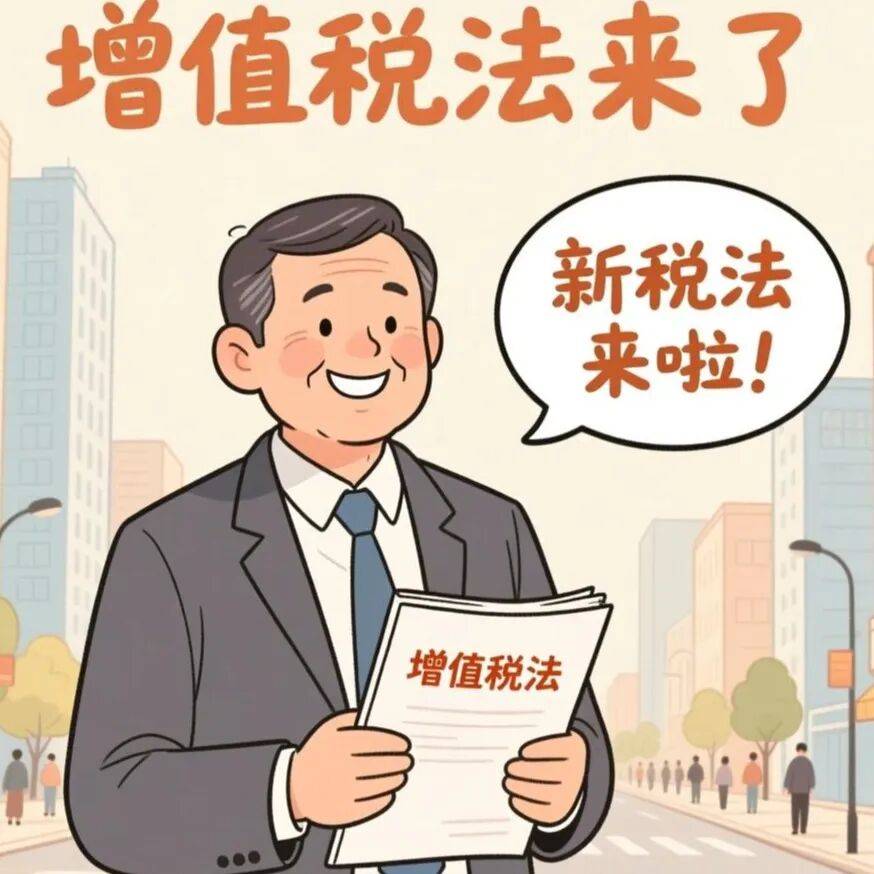
2026年第一天,这些新规将改变你我的生活!
Xin Lang Cai Jing· 2026-01-02 09:14
National Regulations - The new Value-Added Tax (VAT) Law and its implementation regulations will take effect on January 1, 2026, clarifying taxpayer obligations and taxable transactions [1] - The new VAT regulations specify the scope of taxable goods, services, intangible assets, and real estate, as well as the standards for different types of taxpayers [1] Housing Tax Policy - The personal housing sales tax policy has been optimized, with a 3% tax rate applied to properties sold within two years of purchase, while properties sold after two years will be exempt from VAT [3][4] Healthcare and Pharmaceuticals - The new National Basic Medical Insurance, Maternity Insurance, and Work Injury Insurance Drug Directory will be implemented, adding 114 new drugs, including 36 cancer medications and 12 chronic disease treatments [5] - The Hebei province will also adopt the new drug directory starting January 1, 2026, with specific cost-sharing arrangements for different categories of drugs [16] Environmental Regulations - A new regulation will prohibit the production of mercury-containing thermometers and blood pressure monitors starting January 1, 2026 [7] - The new policy on pollutant discharge rights allows for the trading of rights for certain air and water pollutants across specified regions, enhancing environmental management [18] Automotive Industry - A new national standard for electric vehicle energy consumption will be implemented, requiring a maximum energy consumption of 15.1 kWh per 100 km for vehicles weighing around 2 tons, which is expected to improve the average driving range by approximately 7% [8] - The Ministry of Commerce will enforce stricter controls on the export of vehicles, particularly to prevent new cars from being exported under the guise of used vehicles [9] Social Management and Security - The revised Public Security Administration Punishment Law will include provisions for justifiable defense, exempting individuals from penalties under certain conditions [11] - New regulations will also manage kindergarten fees through a clear list of allowable charges, prohibiting any unlisted fees [12] Digital and AI Regulations - The revised National Language Law will regulate the use of language in online spaces, establishing a legal framework for digital communication [14] - The updated Cybersecurity Law will enhance oversight of artificial intelligence and protect virtual property rights, reflecting the growing importance of digital assets [15]
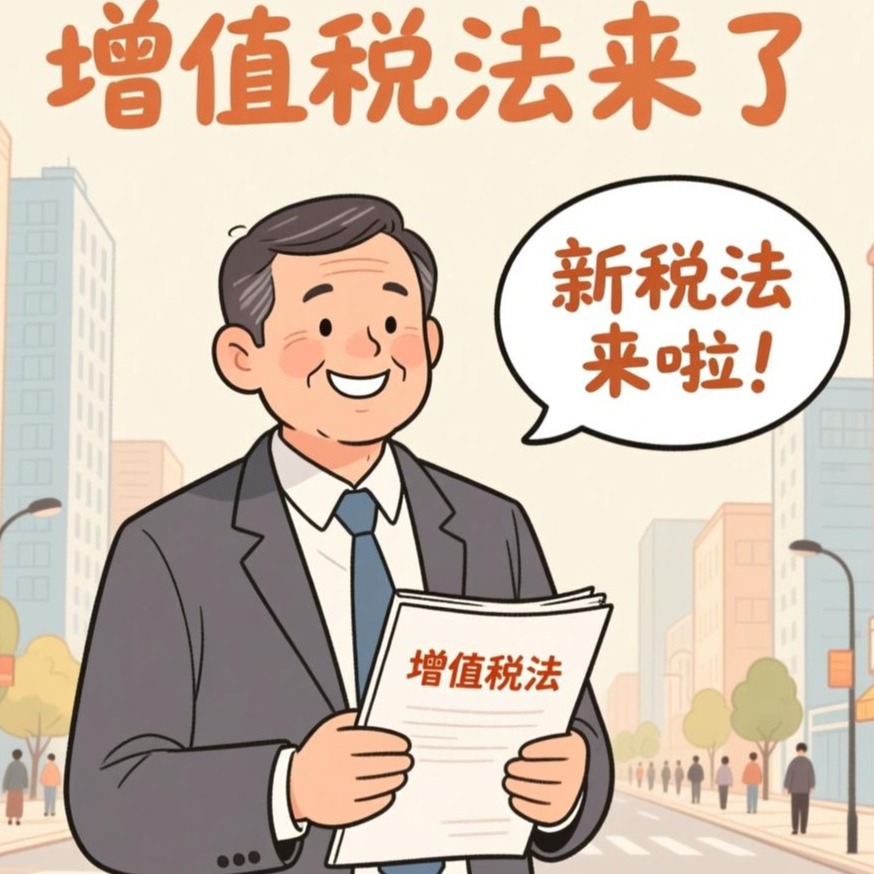
这些新规,今起施行
Xin Lang Cai Jing· 2026-01-01 10:32
Tax Regulations - The new Value-Added Tax (VAT) Law and its implementation regulations will take effect on January 1, 2026, consisting of six chapters that clarify taxpayer obligations and tax rates [3] - Individuals selling residential properties purchased for less than two years will be subject to a 3% VAT, while those selling properties held for two years or more will be exempt from VAT [5] - The VAT law will also enhance tax incentives and clarify the standards for various VAT exemptions, requiring timely public disclosure of these policies [5] Credit Repair Policy - A one-time credit repair policy will be implemented starting January 1, 2026, allowing automatic adjustments to credit reports for overdue records that meet specific criteria [7] - Overdue records generated between January 1, 2020, and December 31, 2025, will not appear on credit reports if the overdue amount does not exceed 10,000 yuan and is fully repaid by March 31, 2026 [7] Education and Childcare - New regulations on kindergarten fees will be enforced from January 1, 2026, requiring public and non-profit private kindergartens to follow government-guided pricing, while for-profit kindergartens will have market-regulated fees [9] - A clear fee directory will be established, and any charges not listed or publicly disclosed will be prohibited [9] Electric Vehicles - A new national standard for electric vehicle energy consumption will be implemented on January 1, 2026, mandating that new passenger vehicles must not exceed 15.1 kWh per 100 km [15] - This standard is expected to improve the average driving range of electric vehicles by approximately 7% without increasing battery capacity [15] Cybersecurity and AI - The revised Cybersecurity Law will take effect on January 1, 2026, addressing the need for AI governance and development, including risk monitoring and safety regulation [19] - The law will support AI research and infrastructure development while enhancing ethical standards in AI applications [19] Legal Framework for Virtual Assets - The updated Civil Case Categories Regulation will come into effect on January 1, 2026, adding categories related to data and virtual property disputes [21] - This revision aims to refine intellectual property categories and address emerging issues in new employment forms and elder rights protection [21]

明天起,这些新规将影响你我生活
财联社· 2025-12-31 04:11
Group 1 - The new Value-Added Tax (VAT) Law and its implementation regulations will take effect on January 1, 2026, clarifying taxpayer obligations and tax scope [4] - The VAT Law specifies applicable tax rates, including zero tax rates for exports [5] - It establishes methods for calculating taxable amounts and details on VAT deduction certificates and input tax deduction methods [6] - The law enhances tax incentives by defining specific standards for VAT exemption projects and mandates timely public disclosure of these policies [6] - Comprehensive regulations on tax administration measures, including tax payment timelines, invoice issuance, and refund management, will be implemented [7] Group 2 - From January 1, 2026, individuals selling homes purchased for less than two years will be subject to a 3% VAT, while those selling homes held for two years or more will be exempt from VAT [10] - A one-time credit repair policy will be enacted, allowing automatic adjustments to credit reports for overdue records generated between January 1, 2020, and December 31, 2025, under certain conditions [13][14][15] Group 3 - The new regulations on kindergarten fees will take effect on January 1, 2026, establishing government-guided pricing for public and non-profit kindergartens, while for-profit kindergartens will have market-regulated fees [18] Group 4 - The new national standard for electric vehicle energy consumption will be implemented on January 1, 2026, requiring technical upgrades for new vehicles, resulting in an average increase of approximately 7% in driving range [27] Group 5 - The revised Cybersecurity Law will take effect on January 1, 2026, addressing the governance of artificial intelligence and enhancing risk monitoring and safety regulation [33] Group 6 - The revised Civil Case Cause Regulations will come into effect on January 1, 2026, adding causes related to data and virtual property disputes, and refining various other legal categories [36]

与你息息相关!2026年一批新规将施行
Yang Shi Xin Wen· 2025-12-30 23:12
Group 1: VAT Law Implementation - The new VAT Law of the People's Republic of China will take effect on January 1, 2026, consisting of six chapters that clarify taxpayer obligations and tax scope [1] - The law specifies applicable tax rates, including zero tax rates for exports, and outlines methods for calculating tax liabilities under different circumstances [1] - It enhances tax incentives by detailing the standards for VAT exemptions and mandates timely public disclosure of these policies [1] - The law also improves tax administration measures, standardizing processes for tax payment, invoice issuance, and tax refund management [1] Group 2: Housing Tax Policy - Starting January 1, 2026, individuals selling homes purchased for less than two years will be subject to a 3% VAT, while those selling homes held for two years or more will be exempt from VAT [5] - This policy allows individuals to apply the new regulations for any VAT not yet declared before January 1, 2026 [5] Group 3: Credit Repair Policy - The People's Bank of China will implement a one-time credit repair policy starting January 1, 2026, which will automatically adjust credit records for overdue payments made between January 1, 2020, and December 31, 2025 [7] - To qualify for this adjustment, individuals must repay overdue debts of no more than 10,000 yuan by March 31, 2026 [7] Group 4: Kindergarten Fee Regulation - A new notification regarding kindergarten fee policies will take effect on January 1, 2026, establishing government-guided pricing for public and non-profit private kindergartens, while for-profit kindergartens will follow market pricing [10] - The policy mandates a clear fee list and public disclosure of all charges, prohibiting any fees not listed or publicly announced [10] Group 5: Electric Vehicle Standards - A new national standard for electric vehicle energy consumption will be implemented on January 1, 2026, requiring that new passenger vehicles not exceed 15.1 kWh per 100 km [16] - This standard is expected to improve the average driving range of electric vehicles by approximately 7% without increasing battery capacity [16] Group 6: Second-Hand Vehicle Export Management - A joint notice from the Ministry of Commerce and other departments will enforce stricter controls on the export of new vehicles labeled as second-hand, effective January 1, 2026 [18] - The notice requires additional documentation for vehicles registered for less than 180 days to ensure compliance with export regulations [18] Group 7: Cybersecurity Law Amendments - The revised cybersecurity law will take effect on January 1, 2026, addressing the governance of artificial intelligence and enhancing risk monitoring and safety regulations [20] - The law supports research in AI foundational theories and key technologies, promoting the development of necessary infrastructure [20] Group 8: Civil Case Regulations - The updated regulations for civil case categories will be effective from January 1, 2026, adding provisions for data and virtual property disputes, and refining categories related to intellectual property and commercial disputes [22] - The total number of civil case categories will reach 1,055, reflecting the evolving legal landscape [22]

张凌赫、许凯、汪苏泷等接连公开谴责,下月起,屡教不改者将被拘留
Xin Lang Cai Jing· 2025-12-25 04:04
Group 1 - The article highlights the increasing incidents of extreme fan behavior, particularly "stalker" actions, which have led to violations of celebrities' privacy, with nearly 20 artists publicly condemning such behaviors this year [1] - Specific instances of harassment include artists being followed, monitored, and having their personal spaces invaded, with notable cases reported from January to November [1] - The article mentions a recent case where an actress was stalked for six years, with the stalker even obtaining a job in her residential area to facilitate the harassment [1] Group 2 - A new amendment to the Public Security Administration Punishment Law will take effect on January 1, which includes penalties for harassment, stalking, and other disruptive behaviors, allowing for fines or detention [2] - The revised law introduces a behavior prohibition order that can be issued by police, providing a buffer before detention measures are enforced for persistent offenders [2] - This legal framework aims to address the issue of fan harassment towards celebrities, allowing for initial warnings before escalating to detention if the harassment continues [2]
情侣私聊发送不雅照到底罚不罚?法学博士有话说
Xin Lang Cai Jing· 2025-12-24 14:46
Core Viewpoint - The new Public Security Administration Punishment Law, effective from January 1, 2026, will criminalize private dissemination of inappropriate photos, which was previously not punishable under the law. However, the law does not change the existing regulations regarding private sharing, and penalties have been increased for violations [1][2]. Group 1 - The new law categorizes both public and private dissemination of inappropriate content under the same legal framework, meaning that both have always been illegal, but the penalties have been adjusted [1]. - The law does not specify all possible punishment scenarios, but it is indicated that private sharing of a small number of inappropriate photos typically does not lead to penalties, especially when it occurs within intimate relationships [2][3]. - Only severe cases involving widespread, repeated, or public dissemination of inappropriate content will likely result in punishment [3]. Group 2 - The definition of obscene materials under the law includes explicit depictions of sexual acts or overtly sexual content, while scientific works related to human physiology and medicine are not classified as obscene [4][5]. - Artistic works with sexual content that possess artistic value are also exempt from being classified as obscene [6]. - Not all private or inappropriate photos are considered obscene; only those that explicitly promote sexual content and have an educational intent can be classified as such [7]. Group 3 - The determination of whether an action is illegal involves both the existence of legal provisions and whether the action infringes on legal interests. Factors such as the audience, scope, frequency, context, and intent of the dissemination are considered [9]. - Private exchanges of inappropriate photos between couples typically do not affect others' lives and are generally not subject to penalties, as they are seen as private matters [9]. - However, if inappropriate content is shared widely, affecting the normal lives of others, it may lead to legal consequences [9].