
医保基金骗保

Search documents
“病人是找的,病历是编的,手术是假的”
Xin Lang Cai Jing· 2026-01-13 16:41
Core Viewpoint - The documentary reveals a corruption case in the medical insurance fund management in Beizhen City, Liaoning Province, highlighting the collusion between public officials and a private hospital to defraud the medical insurance fund [1][5]. Group 1: Corruption Details - Nine public officials from the Beizhen Medical Insurance Center were investigated for collusion with the private hospital, Xinzhuguang Hospital, to defraud the medical insurance fund [1]. - The investigation began after public reports indicated that officials were colluding with the hospital to misappropriate funds, leading to the discovery of "yin-yang" accounts with fixed ratios of 2% to 5% for medical insurance expenditures [1][3]. - The hospital's fraudulent activities included creating fictitious medical records and procedures, with a significant number of false cataract surgeries reported in 2020, which did not align with local healthcare realities [3][4]. Group 2: Methods of Fraud - The hospital employed various deceptive tactics, such as offering free health check-ups and meals to lure patients, while using their identities to fabricate medical records for reimbursement [2][4]. - The hospital's management, led by Xu Hongmei, shifted focus from genuine medical care to fraudulent practices, with a structured plan to incentivize staff for patient recruitment [2][4]. - The fraudulent scheme was facilitated by bribing public officials, including Li Ying, who received a total of 685,000 yuan in bribes, resulting in significant losses to the medical insurance fund [5][6]. Group 3: Impact on Healthcare System - The corruption undermines the integrity of the healthcare system, leading to a loss of public trust and potential harm to patient health due to over-medication and unnecessary procedures [5]. - The involvement of public officials in corrupt practices compromises the intended benefits of including private hospitals in the medical insurance system, ultimately harming the public interest [5]. - The case illustrates the broader implications of corruption in healthcare, where personal gains lead to substantial losses in public resources meant for community health [5].
医保“救命钱”决不能变成“唐僧肉”
Ren Min Ri Bao· 2025-12-03 12:30
Core Insights - The article highlights the issue of fraudulent activities within medical institutions, where staff are found to be falsifying prescriptions and overcharging for services to illegally extract funds from the national medical insurance system [1][2] - In 2024, there was a significant increase in the number of concluded medical insurance fraud cases, with 1,156 cases resulting in 2,299 convictions, marking a year-on-year growth of 130% [1] - The fraudulent practices not only threaten the sustainability of the medical insurance fund but also distort its original purpose of providing basic health coverage [1] Group 1 - The article reports on various medical institutions, including clinics and pharmacies, engaging in deceptive practices to exploit the national medical insurance fund [1] - A specific case in Shanghai involved collusion between hospital management, doctors, and "scalpers," resulting in over 50,000 fraudulent claims and more than 12 million yuan in funds misappropriated over two years [2] - The article emphasizes the need for stricter penalties and enhanced regulatory measures to combat these fraudulent activities, including real-time monitoring of settlement data using big data technology [2] Group 2 - The article stresses the importance of ensuring that every penny of the medical insurance fund is used effectively for health protection, highlighting the need to safeguard these funds as they are crucial for public health [3] - It calls for innovative approaches to enhance the efficiency of fund usage, such as promoting family mutual aid and exploring connections with long-term care insurance [2]

国家医保局公布5起个人骗取医保基金典型案例
Zhong Guo Xin Wen Wang· 2025-12-01 06:41
Core Viewpoint - The National Healthcare Security Administration (NHSA) has released five typical cases of individuals fraudulently obtaining medical insurance funds to strengthen legal awareness and deter fraudulent activities in the healthcare system [1] Group 1: Case Summaries - Case 1: In Qinhuangdao, Hebei Province, an individual named Guan and four accomplices collected over 70 social security cards to fraudulently claim over 120,000 yuan from medical insurance by purchasing and reselling a drug called Semaglutide [2] - Case 2: In Wuhu, Anhui Province, an individual named Xiao exploited his medical condition to fraudulently obtain and sell excess medication, resulting in a total fraud of 51,950.91 yuan [3] - Case 3: In Zhengzhou, Henan Province, Zhang falsified injury details to claim 39,477.26 yuan from medical insurance, despite already receiving compensation from his employer for a work-related injury [4] - Case 4: In Yantai, Shandong Province, Wang and two accomplices misrepresented a work-related injury as a home accident to fraudulently claim 18,070.63 yuan from medical insurance [5][6] - Case 5: In Benxi, Liaoning Province, Liu was involved in a traffic accident and falsely reported the circumstances to claim 6,549.11 yuan from medical insurance, leading to criminal charges [7] Group 2: Legal Consequences and Warnings - All individuals involved in these cases faced criminal penalties and were required to fully repay the fraudulently obtained medical insurance funds, highlighting the serious legal repercussions of such actions [8] - The NHSA emphasizes the importance of adhering to healthcare laws and regulations, urging the public to resist the temptation of fraud and to report any suspicious activities to protect the integrity of the medical insurance system [8]
国家医保局发布个人骗取医保基金典型案例(第四期)
Yang Shi Wang· 2025-12-01 01:32
Core Viewpoint - The National Healthcare Security Administration emphasizes the importance of safeguarding the medical insurance fund, highlighting a zero-tolerance policy towards fraud and misuse of these funds [1] Group 1: Case Summaries - Case 1: In Qinhuangdao, Hebei, an individual named Guan and four accomplices collected over 70 social security cards to fraudulently claim over 120,000 yuan in reimbursements for a drug, which they then sold across multiple provinces [2] - Case 2: In Wuhu, Anhui, a participant named Xiao exploited his medical condition to obtain excess medication, selling the surplus for a total fraud amount of 51,950.91 yuan [3] - Case 3: In Zhengzhou, Henan, Zhang falsified injury details to claim 39,477.26 yuan in reimbursements after already receiving compensation from his employer for a work-related injury [4] - Case 4: In Yantai, Shandong, Wang and two others conspired to misrepresent a work-related injury as a home accident, resulting in a fraudulent claim of 18,070.63 yuan [5] - Case 5: In Benxi, Liaoning, Liu misrepresented a traffic accident to claim 6,549.11 yuan from the medical insurance fund, which was determined to be the responsibility of a third party [6] Group 2: Legal Consequences and Warnings - All individuals involved in the fraud cases faced criminal charges and were required to fully repay the misappropriated medical insurance funds, underscoring the serious legal repercussions of such actions [7] - The article warns the public against engaging in fraudulent activities, emphasizing the importance of adhering to healthcare laws and protecting personal medical insurance rights [7]
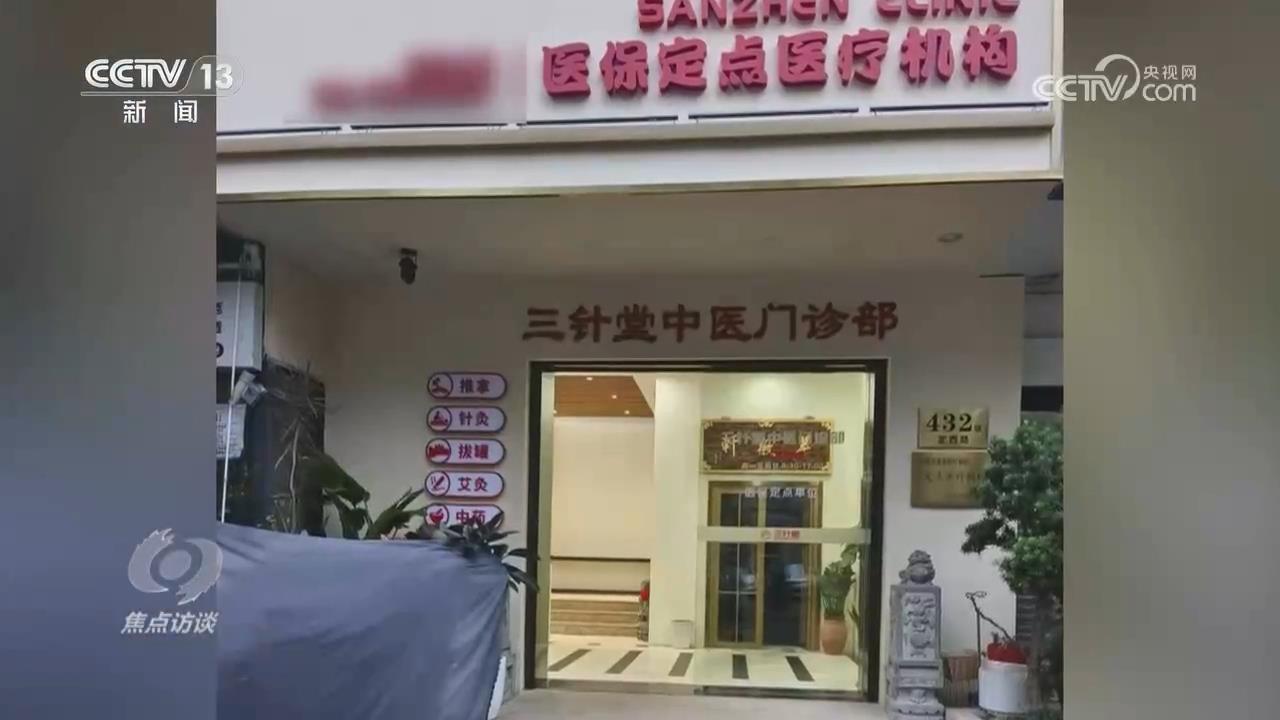
焦点访谈|医保基金成“唐僧肉”!记者调查小诊所骗保乱象
Yang Shi Wang· 2025-11-27 13:29
Core Viewpoint - The article highlights the misuse of medical insurance funds by certain healthcare institutions, particularly small clinics and traditional Chinese medicine centers, which are exploiting the system for financial gain through fraudulent practices [1][6]. Group 1: Case Study of Fraudulent Practices - A case in Shanghai revealed that a traditional Chinese medicine clinic, San Zhen Tang, was involved in suspicious activities, with a significant number of patients recorded in a short time frame without actual consultations [3][4]. - The clinic's operations included bringing in elderly patients who would quickly sign off on treatments without receiving any actual medical care, indicating a systematic approach to defraud the insurance system [4][6]. - The actual controllers of the clinic were found to be colluding with "scalpers" and other parties to create a facade of legitimate medical services while extracting funds from the national insurance [6][8]. Group 2: Broader Implications and Patterns - The fraudulent activities are not isolated; they reflect a growing trend where small clinics and pharmacies engage in deceptive practices, leading to significant losses for the medical insurance fund [10][12]. - The article notes that the scale of fraud is increasing, with cases becoming more sophisticated and harder to detect, often involving organized groups that exploit the complexities of traditional Chinese medicine reimbursement processes [10][18]. - Regulatory challenges are highlighted, as the long and non-standardized nature of traditional Chinese medicine services makes it difficult to monitor and prevent fraudulent activities effectively [8][10]. Group 3: Regulatory Responses and Recommendations - In response to the rising fraud cases, there is a call for stricter regulatory measures, including enhanced monitoring of healthcare institutions and the establishment of a more rigorous insurance settlement review mechanism [18]. - The need for a multi-departmental collaboration to improve oversight and public awareness regarding the importance of protecting medical insurance funds is emphasized [18]. - The article concludes with the assertion that addressing these issues is crucial for the sustainability of the medical insurance system and the welfare of the public [18].
多人被判有期徒刑,国家医保局公布个人骗取医保基金典型案例
Yang Shi Wang· 2025-10-09 02:58
Core Viewpoint - The National Medical Insurance Administration emphasizes a "zero tolerance" policy towards fraudulent activities related to medical insurance funds, highlighting the importance of safeguarding public interests and maintaining the integrity of the medical insurance system [1]. Group 1: Fraud Cases Summary - Case 1: In Jiangsu Province, an individual named Jing exploited special disease insurance benefits to fraudulently acquire and resell high-priced medications, resulting in a loss of over 280,000 yuan to the medical insurance fund [2][3]. - Case 2: In Guizhou Province, Zhao organized a scheme to instruct patients to overprescribe medications, leading to a total loss of approximately 282,392.52 yuan from the medical insurance fund [3][4]. - Case 3: In Jiangxi Province, an individual named Xiao used another person's social security card to fraudulently obtain and sell medications, causing a loss of 75,613.44 yuan to the medical insurance fund [5]. - Case 4: In Shaanxi Province, Peng utilized the medical benefits of deceased individuals to fraudulently acquire medications, resulting in a loss of 60,769.96 yuan [6][7]. - Case 5: In Gansu Province, Heng collaborated with others to create a fraudulent scheme that involved selling medications obtained through the misuse of medical insurance, leading to a loss of 369,772.72 yuan [8]. - Case 6: In Sichuan Province, Qian exploited the insurance of a deceased individual to fraudulently acquire and sell medications, causing a loss of 13,815.90 yuan [9][10]. - Case 7: In Fujian Province, a group of patients conspired to overprescribe medications, resulting in significant losses to the medical insurance fund [11][12]. - Case 8: In Qinghai Province, Bai fraudulently used another person's identity to obtain medical benefits, leading to a total cost of 37,879.4 yuan [13][14]. - Case 9: In Ningxia, an individual named Ou allowed others to use his social security card for fraudulent medical claims, involving a loss of 11,984.66 yuan [15]. - Case 10: In Hunan Province, Li and a pharmacy conspired to forge documents to claim medical insurance funds, resulting in a loss of 35,000 yuan [16]. - Case 11: In Inner Mongolia, Ma was found to have submitted falsified medical records to obtain benefits, leading to a loss of 7,953 yuan [17]. Group 2: Regulatory Response and Public Awareness - The recent cases illustrate the diverse and harmful nature of fraudulent activities against medical insurance, prompting strict legal repercussions including criminal charges, full restitution, and suspension of medical qualifications [18]. - The National Medical Insurance Administration calls for increased legal awareness among insured individuals and urges medical institutions and professionals to adhere to regulatory standards, fostering a cooperative environment for monitoring and reporting fraudulent activities [18].
骗取医保基金1939万元!思派健康子公司被处罚9695万元
Zhong Guo Jing Ying Bao· 2025-08-07 09:49
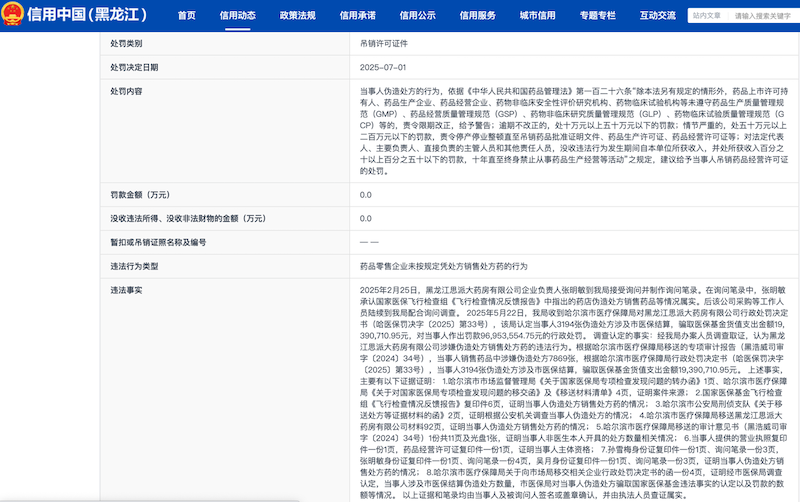
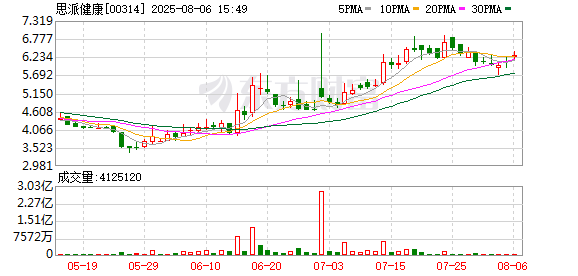
Core Viewpoint - The article discusses the administrative penalties imposed on Heilongjiang Sipai Pharmacy for fraudulent prescription practices, highlighting the implications for the company and the healthcare industry in China [1][2][4]. Company Summary - Heilongjiang Sipai Pharmacy was found to have sold drugs using 7,869 forged prescriptions, leading to a penalty of 96.95 million yuan for defrauding the medical insurance fund [2][4]. - The pharmacy's operating license was revoked by the Harbin Market Supervision Administration on July 1, 2025, following the investigation [2][4]. - The company is a subsidiary of Sipai Health, which reported a revenue of 4.565 billion yuan in 2024, with a loss of 362 million yuan [4][5]. - Sipai Health's specialty pharmacy business generated 3.975 billion yuan in revenue in 2024, accounting for approximately 87% of its total revenue, but saw a year-on-year decline of 5.1% [4][5]. Industry Summary - The incident reflects broader issues within the pharmaceutical retail sector, particularly concerning the sale of prescription drugs without proper authorization, which undermines the integrity of the healthcare system [7][8]. - The regulatory environment is tightening, with increased scrutiny on pharmacies to prevent fraudulent activities that exploit medical insurance funds [6][7]. - The specialty drug market, which includes high-value medications for critical illnesses, is subject to strict purchasing protocols to prevent abuse, indicating a need for compliance and oversight in the industry [7][8].
骗取医保基金1939万元 思派健康子公司被处罚9695万元
Zhong Guo Jing Ying Bao· 2025-08-06 07:48
Core Viewpoint - The article discusses the administrative penalties imposed on Heilongjiang Sipai Pharmacy for fraudulent activities involving the forgery of prescriptions to illegally obtain medical insurance funds, highlighting the regulatory scrutiny in the pharmaceutical industry and its implications for the company involved [2][3][4]. Group 1: Company Actions and Penalties - Heilongjiang Sipai Pharmacy had its drug operating license revoked by the Harbin Nankai District Market Supervision Administration on July 1, 2025, due to the forgery of prescriptions [3]. - The pharmacy was found to have sold drugs using 7,869 forged prescriptions, with 3,194 of these prescriptions involved in medical insurance settlements, resulting in a fraudulent claim of 19,390,710.95 yuan [4][5]. - The Harbin Medical Security Bureau imposed a fine of 96,953,554.75 yuan on the pharmacy for these violations, marking a significant financial penalty [4][5]. Group 2: Financial Impact on Parent Company - Heilongjiang Sipai Pharmacy is a subsidiary of Sipai Health, which reported a revenue of 4.565 billion yuan in 2024, with a net loss of 362 million yuan [6]. - The specialty pharmacy business, which is crucial for Sipai Health, generated 3.975 billion yuan in revenue in 2024, a decrease of 5.1% year-on-year, accounting for approximately 87% of the company's total revenue [6]. - The company has seen a reduction in the number of specialty pharmacies from 95 at the end of 2023 to 53 by the end of 2024, indicating a significant contraction in its operational footprint [6]. Group 3: Regulatory Environment and Industry Implications - The article highlights the strict regulatory environment surrounding the sale of specialty drugs, which require a rigorous "five determinations" management mechanism to prevent fraud and misuse of medical insurance funds [8]. - The investigation revealed that the pharmacies involved allowed patients to purchase prescription drugs without the necessary prescriptions, undermining the integrity of the healthcare system [9]. - The case reflects broader issues within the pharmaceutical industry regarding compliance with regulations and the potential for significant financial repercussions for companies involved in fraudulent activities [7][8].
186亿医保被骗光,国家医保局出手了!
商业洞察· 2024-10-11 09:09
以下文章来源于财经三分钟 ,作者杨瑞 财经三分钟 . 4 亿中产财经资讯平台,专注深度财经商业报道。由财经媒体人杨瑞团队执笔,出品《广州租售同 权》、《北京学区房多校划片》、《国家抢占人工智能制高点》等多篇千万级刷屏文章。 作者: 杨瑞 来源: 财经三分钟(ID: qgq1818 ) 江苏无锡虹桥医院,多个部门密谋诈骗医保基金。在医保局介入调查后,一整个诈骗链条终于浮出水 面。 更让人震惊的是,这样恶劣而猖狂的诈骗医保基金事件并不只发生在一家医院身上。 老百姓的"救命钱"时刻都被人惦记着。 不过,正义迟早会到来。那些双手沾上腐败之臭的犯罪分子,终将会被法律制裁。 目前无锡虹桥医院骗保事件的所有相关人员已经全部落网。 ▲图 源:央视新闻 01 猖狂骗保, 无锡虹桥医院销毁证据对抗调查 涉嫌骗保后,无锡虹桥医院并没有配合调查,而是拼尽一切毁灭证据,其中包括了集体串供、篡改病 历、销毁账簿以及修改数据等等。 然而百密一疏,医保局和当地公安局还是找到了蛛丝马迹,最终还原了整个作案链条。 首先,医院内部人士和中介勾结。 随后,中介以一定报酬为诱找人假冒成病人。假病人进入医院后,会被安排住院1-2天,期间医院会 为假病人 ...