
他克莫司

Search documents
近期大量上市!这种水果与多种药物“相冲”,医生提醒→
Xin Hua Wang· 2025-10-28 14:58
Core Viewpoint - The article emphasizes the health risks associated with consuming grapefruit, particularly in relation to certain medications, highlighting the need for caution when combining grapefruit with specific drugs due to potential adverse effects on drug metabolism [4][3]. Group 1: Health Risks of Grapefruit - Grapefruit, especially varieties like grapefruit juice, contains furanocoumarins that inhibit the CYP3A4 enzyme in the liver, which is crucial for metabolizing many medications [4][6]. - The most significant interactions are noted with grapefruit, rather than other types of pomelo or citrus fruits [4][3]. Group 2: Medications to Avoid with Grapefruit - Certain antihypertensive medications (e.g., nifedipine, felodipine, amlodipine) can lead to dangerously low blood pressure when taken with grapefruit [8]. - Statins (e.g., atorvastatin, simvastatin, lovastatin) may increase the risk of muscle pain and liver damage when combined with grapefruit, necessitating discussions with healthcare providers about safer alternatives [9]. - Some antihistamines (e.g., terfenadine, astemizole) can cause increased drowsiness and heart rhythm issues when taken with grapefruit [10]. - Immunosuppressants (e.g., cyclosporine, tacrolimus) can have dangerously fluctuating concentrations in the body when combined with grapefruit, leading to severe health consequences [11]. - Sedatives and anesthetics (e.g., midazolam, diazepam) may have prolonged effects and increased risks of respiratory depression when taken with grapefruit [12]. Group 3: Practical Advice for Consumers - Consumers should carefully read medication labels for warnings about grapefruit interactions and identify if their medications fall into high-risk categories [13]. - If uncertain about the type of grapefruit or its effects on medications, consulting a healthcare professional is advised [13]. - Safer fruit alternatives, such as oranges, tangerines, and apples, are recommended for those on high-risk medications [13].


国家医保局曝光!
中国基金报· 2025-10-09 07:37
Core Viewpoint - The article emphasizes the importance of safeguarding the medical insurance fund, which is crucial for the public's healthcare needs, and highlights the government's zero-tolerance policy towards fraudulent activities related to medical insurance [2]. Group 1: Fraud Cases - In Jiangsu Province, a case involved an individual named Jing who exploited special disease insurance benefits by faking medication needs and selling high-priced drugs, resulting in a loss of over 280,000 yuan to the medical insurance fund [3]. - In Guizhou Province, Zhao orchestrated a scheme where he instructed patients to over-prescribe medications and then sold them, leading to a total loss of 282,392.52 yuan from the medical insurance fund [4][5]. - In Jiangxi Province, an individual named Xiao used another person's social security card to fraudulently obtain and sell medication, causing a loss of 75,613.44 yuan to the medical insurance fund [6]. - In Shaanxi Province, Peng exploited the medical insurance benefits of deceased individuals to sell drugs, resulting in a loss of 60,769.96 yuan [7]. - In Gansu Province, a person named Heng created a network to sell medications using others' insurance information, defrauding the medical insurance fund of 369,772.72 yuan [9]. - In Sichuan Province, Qian used the identity of a deceased person to obtain and sell medication, causing a loss of 13,815.90 yuan [10]. - In Fujian Province, a group of patients conspired to over-prescribe medications and sell them, leading to a total loss of 331,962.42 yuan from the medical insurance fund [11][12]. - In Qinghai Province, Bai was found to have fraudulently used another person's identity to claim medical expenses, resulting in a loss of 37,879.4 yuan [13]. - In Ningxia, an individual named Ou allowed others to use his social security card for fraudulent claims, involving 11,984.66 yuan [14]. - In Hunan Province, Li and a pharmacy owner colluded to forge documents and defraud the medical insurance fund of 35,000 yuan [15]. - In Inner Mongolia, Ma was found to have submitted forged medical records to claim benefits, resulting in a loss of 7,953 yuan [16]. Group 2: Government Actions - The National Medical Insurance Administration has taken a strong stance against fraud, showcasing a series of typical cases to educate the public and deter similar activities [2][17]. - The article highlights the collaboration between medical insurance departments and law enforcement to investigate and prosecute fraudulent activities, ensuring accountability and recovery of lost funds [3][4][5][6][7][8][9][10][11][12][13][14][15][16].
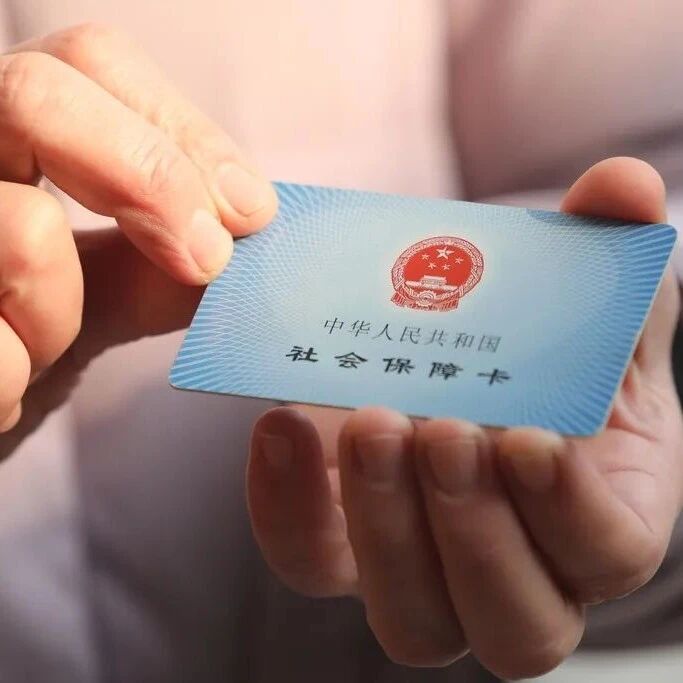
多人被判有期徒刑,国家医保局公布个人骗取医保基金典型案例
Yang Shi Wang· 2025-10-09 02:58
Core Viewpoint - The National Medical Insurance Administration emphasizes a "zero tolerance" policy towards fraudulent activities related to medical insurance funds, highlighting the importance of safeguarding public interests and maintaining the integrity of the medical insurance system [1]. Group 1: Fraud Cases Summary - Case 1: In Jiangsu Province, an individual named Jing exploited special disease insurance benefits to fraudulently acquire and resell high-priced medications, resulting in a loss of over 280,000 yuan to the medical insurance fund [2][3]. - Case 2: In Guizhou Province, Zhao organized a scheme to instruct patients to overprescribe medications, leading to a total loss of approximately 282,392.52 yuan from the medical insurance fund [3][4]. - Case 3: In Jiangxi Province, an individual named Xiao used another person's social security card to fraudulently obtain and sell medications, causing a loss of 75,613.44 yuan to the medical insurance fund [5]. - Case 4: In Shaanxi Province, Peng utilized the medical benefits of deceased individuals to fraudulently acquire medications, resulting in a loss of 60,769.96 yuan [6][7]. - Case 5: In Gansu Province, Heng collaborated with others to create a fraudulent scheme that involved selling medications obtained through the misuse of medical insurance, leading to a loss of 369,772.72 yuan [8]. - Case 6: In Sichuan Province, Qian exploited the insurance of a deceased individual to fraudulently acquire and sell medications, causing a loss of 13,815.90 yuan [9][10]. - Case 7: In Fujian Province, a group of patients conspired to overprescribe medications, resulting in significant losses to the medical insurance fund [11][12]. - Case 8: In Qinghai Province, Bai fraudulently used another person's identity to obtain medical benefits, leading to a total cost of 37,879.4 yuan [13][14]. - Case 9: In Ningxia, an individual named Ou allowed others to use his social security card for fraudulent medical claims, involving a loss of 11,984.66 yuan [15]. - Case 10: In Hunan Province, Li and a pharmacy conspired to forge documents to claim medical insurance funds, resulting in a loss of 35,000 yuan [16]. - Case 11: In Inner Mongolia, Ma was found to have submitted falsified medical records to obtain benefits, leading to a loss of 7,953 yuan [17]. Group 2: Regulatory Response and Public Awareness - The recent cases illustrate the diverse and harmful nature of fraudulent activities against medical insurance, prompting strict legal repercussions including criminal charges, full restitution, and suspension of medical qualifications [18]. - The National Medical Insurance Administration calls for increased legal awareness among insured individuals and urges medical institutions and professionals to adhere to regulatory standards, fostering a cooperative environment for monitoring and reporting fraudulent activities [18].
恒瑞医药2024年报点评:创新发力,国际化快速推进
Orient Securities· 2025-04-08 10:23
Investment Rating - The report maintains a "Buy" rating for the company [5] Core Views - The company is expected to achieve an EPS of 1.06/1.17 CNY for 2025-26, with a new forecast of 1.42 CNY for 2027. The target price is set at 56.18 CNY based on a PE ratio of 53 for 2025 [2] - The company reported a significant revenue increase of 22.63% year-on-year for 2024, reaching 27.985 billion CNY, and a net profit increase of 47.28%, totaling 6.337 billion CNY [9] - The company is actively advancing its internationalization efforts, with several products receiving FDA approval and significant licensing agreements contributing to revenue growth [9] Financial Information Summary - Revenue (in million CNY): - 2023A: 22,820 - 2024A: 27,985 (22.6% YoY growth) - 2025E: 31,684 (13.2% YoY growth) - 2026E: 35,553 (12.2% YoY growth) - 2027E: 40,900 (15.0% YoY growth) [4] - Net Profit (in million CNY): - 2023A: 4,302 - 2024A: 6,337 (47.3% YoY growth) - 2025E: 6,759 (6.7% YoY growth) - 2026E: 7,477 (10.6% YoY growth) - 2027E: 9,060 (21.2% YoY growth) [4] - EPS (in CNY): - 2023A: 0.67 - 2024A: 0.99 - 2025E: 1.06 - 2026E: 1.17 - 2027E: 1.42 [4] - Gross Margin: - 2023A: 84.6% - 2024A: 86.2% - 2025E: 84.5% - 2026E: 84.9% - 2027E: 85.4% [4] - Net Margin: - 2023A: 18.9% - 2024A: 22.6% - 2025E: 21.3% - 2026E: 21.0% - 2027E: 22.2% [4]
