
半导体产业链重构

Search documents
特朗普宣布对华松绑,美国已颁发许可证,批准向中国出口!王毅一句话,给中美关系定调
Sou Hu Cai Jing· 2026-01-04 04:01
Core Viewpoint - The Trump administration's approval for Samsung and SK Hynix to export chip manufacturing equipment to their factories in China signals a strategic shift in U.S. semiconductor policy, but it is not a genuine easing of restrictions [1][8]. Group 1: U.S. Policy Changes - The Trump administration previously revoked the "Verified End User" (VEU) exemption for South Korean semiconductor companies, implementing an annual approval system that has challenged these firms [1]. - By 2025 Q3, the capacity utilization rate of South Korean semiconductor companies in China is projected to decline by 12% due to restrictions on equipment imports [1]. Group 2: China's Response - China strongly opposes U.S. export controls, viewing them as a serious threat to global supply chain stability, and has begun to limit exports of rare earth magnets to the U.S. [3]. - The Chinese government is committed to protecting the legitimate rights of its domestic companies amid these tensions [3]. Group 3: Industry Dynamics - The fluctuating U.S. policies are accelerating the restructuring of the global semiconductor supply chain, prompting multinational companies to adopt risk-averse strategies such as re-routing and relocating production [4]. - Despite these challenges, Apple's iPhone sales in China still account for 35% of global sales, indicating the difficulty of completely shifting supply chains [4]. Group 4: China's Semiconductor Advancements - The pressure from U.S. policies is acting as a catalyst for the upgrade of China's semiconductor industry, with companies like SMIC achieving a 95% yield rate for 28nm processes [6]. - Chinese alternatives to high-end technology are emerging, such as Huawei's Ascend 910B chip, which is nearing the performance of NVIDIA's A100 [6]. Group 5: Future Outlook - The ongoing technological competition will be a battle between technological iteration and market dynamics, with the potential failure of the U.S. "Chip Act" looming if reliance on tariffs and export controls continues [8]. - The $52 billion investment in the Chip Act has resulted in only an 8% increase in new investments in the U.S. semiconductor industry by mid-2025, falling short of expectations [8].

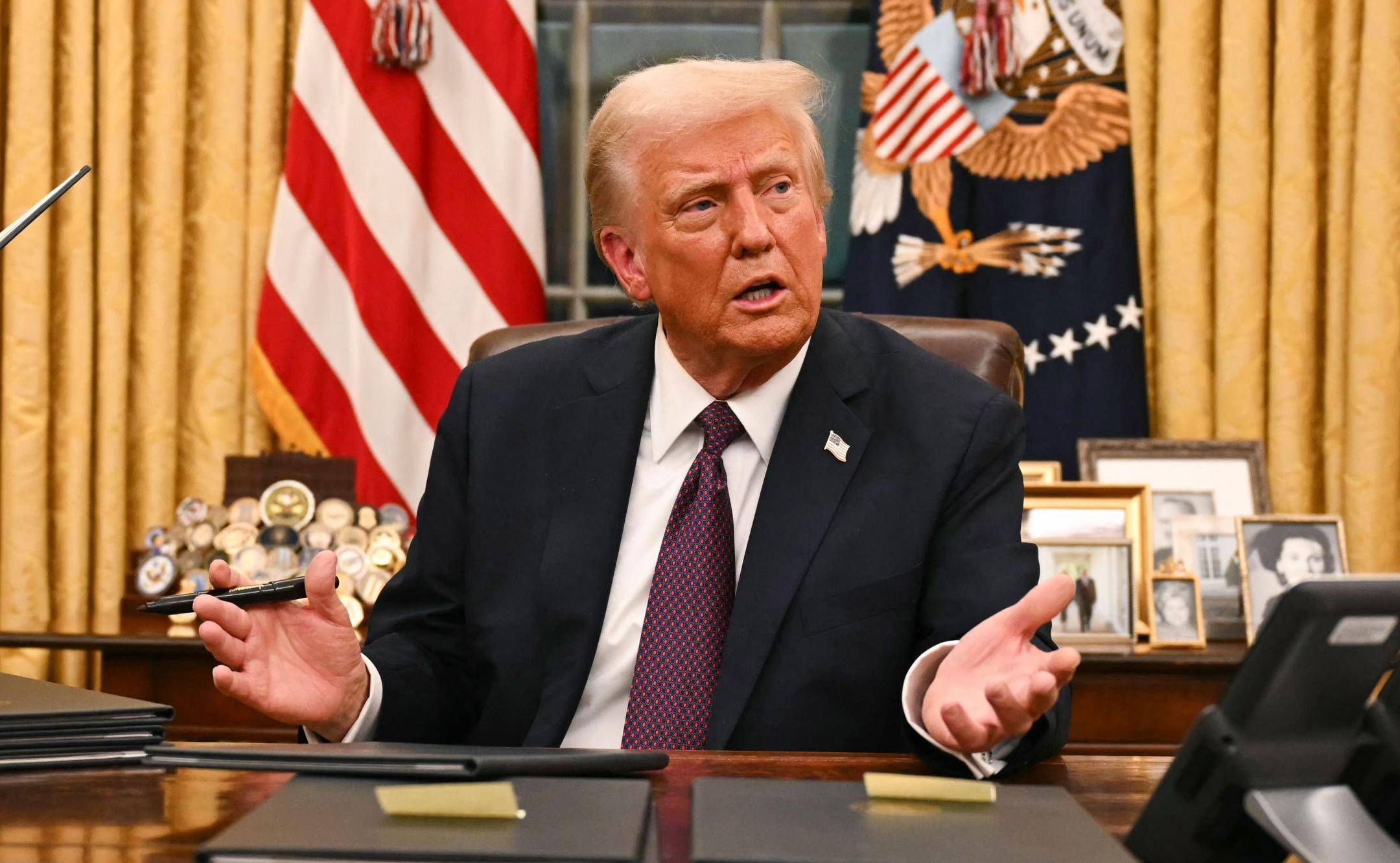
美国政策转向?特朗普宣布对华松绑,王毅一句话,给中美关系定了调
Sou Hu Cai Jing· 2026-01-04 03:43
Core Viewpoint - The U.S. government's issuance of chip manufacturing equipment licenses to Samsung and SK Hynix, while leaving TSMC's situation unresolved, indicates a strategic adjustment in U.S. export control policies rather than a simple policy shift [1][3]. Group 1: U.S. Export Control Policies - The U.S. has replaced the "Verified End User" (VEU) exemption with an annual approval system for companies like TSMC, Samsung, and SK Hynix, citing vulnerabilities in the previous system that could lead to improper technology transfer to China [1]. - As a result of these restrictions, Samsung's production capacity utilization at its Xi'an factory has decreased by 12% [1]. Group 2: Impact on Korean Companies - Korean companies are feeling significant pressure due to the U.S. export controls, despite efforts by the South Korean government to negotiate transitional buffers with the U.S. [3]. - The Chinese government has expressed strong opposition to U.S. actions, viewing them as unilateral suppression that threatens global supply chain stability [3]. Group 3: China's Semiconductor Industry - Despite U.S. pressure, China's semiconductor industry is finding opportunities for advancement, achieving self-sufficiency in mature process technologies, with SMIC's 28nm process yield reaching 95% [3]. - In the high-end AI chip sector, Huawei's Ascend 910B chip is nearing the performance of NVIDIA's A100, indicating significant competitive advancements in certain areas [3]. Group 4: Global Semiconductor Landscape - The ongoing semiconductor competition involves not only technology but also national security and economic interests, with countries like the U.S. and China engaging in complex geopolitical interactions [5]. - The U.S. aims to force companies like Samsung to compete with local firms in China through its annual licensing system, but this strategy may inadvertently weaken U.S. technological barriers and bolster China's semiconductor development [5]. Group 5: Supply Chain Dynamics - Many multinational companies, including Microsoft and Apple, are attempting to mitigate risks by relocating production and supply chains, although the costs associated with these transitions remain significant [5]. - Chinese companies are expanding their operations in regions like Mexico and Southeast Asia, promoting regional and diversified development of the supply chain [7]. Group 6: Future Outlook - The dynamics of technology iteration and market rules will dominate the ongoing semiconductor competition, with Bloomberg's analysis suggesting that reliance on tariffs and export controls may not effectively reshape market dynamics [7]. - The semiconductor industry requires continuous innovation and adaptability to secure advantageous positions in the evolving international landscape [8].

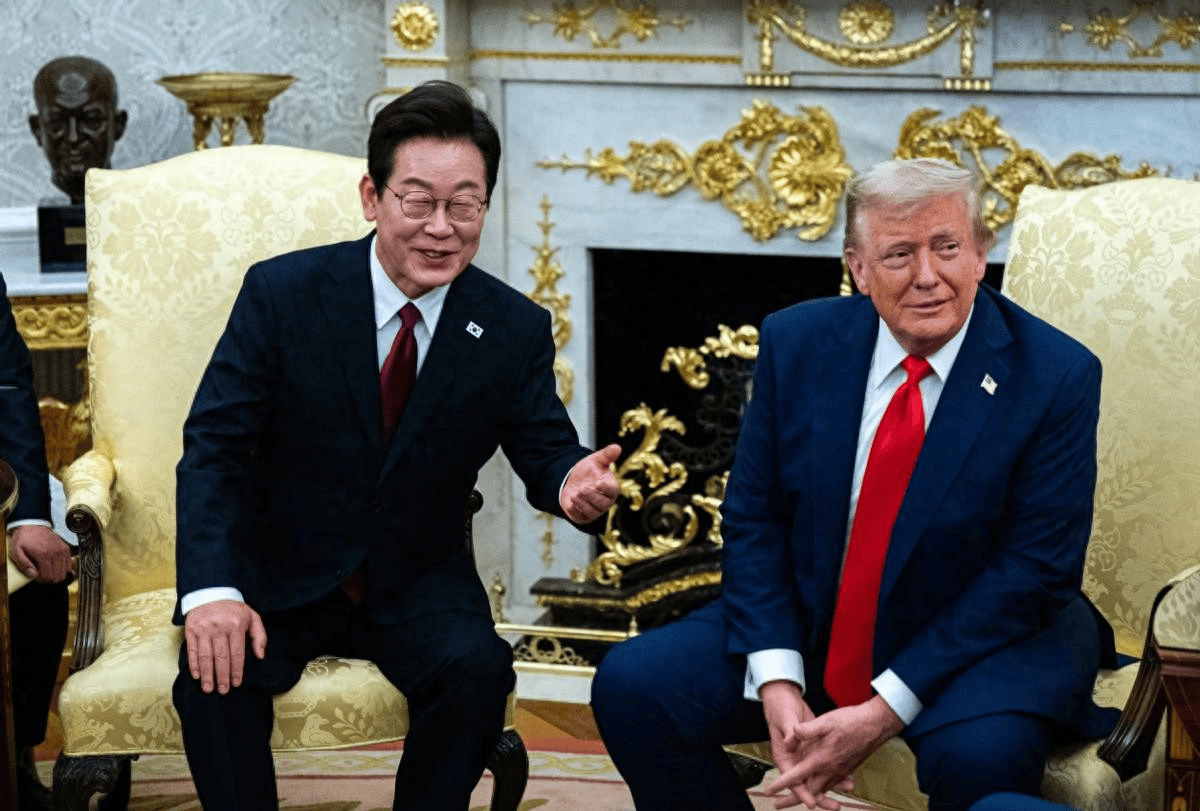
全球芯片“大地震”:英伟达不甘心,阿斯麦不安心,安世中国不屈服
Mei Ri Jing Ji Xin Wen· 2025-10-24 10:04
Group 1 - The article highlights the complex geopolitical landscape affecting major companies, particularly in the semiconductor and AI sectors, as they navigate the challenges posed by international policies and market dynamics [1] - NVIDIA's CEO expressed deep regret over the company's exit from the Chinese market, noting a drastic decline in market share from 95% to 0% due to U.S. export restrictions [2][3] - NVIDIA's potential revenue from the Chinese market was estimated to be between $2 billion and $5 billion for the current quarter, with a projected value of $50 billion by 2025, which now seems unattainable [2][3] Group 2 - ASML reported a record 42% of its sales coming from the Chinese market, but the CEO anticipates a significant decline in this percentage in 2026, reflecting growing concerns about potential market loss [4] - ASML's reliance on DUV lithography machines for 70% of its revenue in China poses a risk, as U.S. restrictions prevent the sale of more advanced EUV equipment [4][5] - The Chinese semiconductor industry is rapidly advancing, with companies like SMIC achieving over 90% yield in 14nm production and Huawei's Ascend 910B chip competing with NVIDIA's H100 [5] Group 3 - AMS, a subsidiary of a Chinese company, faces severe repercussions from U.S. export controls, which have led to asset freezes and management changes imposed by the Dutch government [6][7] - AMS China has publicly condemned the Dutch government's actions, asserting its independence and compliance with Chinese laws, while also emphasizing its significant local production capabilities [7][8] - The situation with AMS highlights the broader implications for global supply chains, particularly in the automotive sector, where the company plays a crucial role [7][8]



金海通(603061):25H1业绩同比高增,高端分选机放量助力盈利提升
Great Wall Securities· 2025-09-17 13:00
Investment Rating - The report maintains an "Accumulate" rating for the company [4] Core Views - The company has shown significant growth in H1 2025, with revenue increasing by 67.86% year-on-year to 307 million yuan and net profit rising by 91.56% to 76 million yuan [1][2] - The semiconductor packaging and testing equipment sector is experiencing a recovery, leading to increased demand for high-end testing and sorting machines, which has positively impacted the company's sales [2][9] - The company is well-positioned to benefit from the ongoing restructuring of the global semiconductor supply chain and the trend towards high-end testing equipment [9] Financial Performance Summary - Revenue projections for the company are as follows: 2023A: 347 million yuan, 2024A: 407 million yuan, 2025E: 682 million yuan, 2026E: 884 million yuan, 2027E: 1,108 million yuan, with a growth rate of 67.7% in 2025E [1][11] - Net profit projections are: 2023A: 85 million yuan, 2024A: 78 million yuan, 2025E: 188 million yuan, 2026E: 273 million yuan, 2027E: 372 million yuan, reflecting a significant increase of 139.6% in 2025E [1][11] - The company's overall gross margin for H1 2025 was 51.39%, an increase of 1.18 percentage points year-on-year, while the net profit margin was 24.72%, up by 3.05 percentage points [2] Product and Market Development Summary - The company has seen a substantial increase in sales of its EXCEED-9000 series products, which accounted for 51.37% of total sales in H1 2025, up from 25.80% in 2024 [3] - The company is actively developing customized testing and sorting solutions for specific semiconductor applications, enhancing its technological capabilities and market position [3] - The company is also investing in projects to enhance its R&D and manufacturing capabilities, which will further strengthen its competitive edge in the semiconductor testing equipment market [3][9] Market Outlook - The global semiconductor testing machine market is projected to grow from 6,053.36 million USD in 2024 to 9,927.50 million USD by 2031, with a CAGR of 6.39%, indicating a favorable market environment for the company [8] - The company is expected to benefit from the acceleration of domestic substitution trends and the growing demand for high-reliability testing equipment driven by advancements in AI and automotive electronics [8][9]
