博物馆IP

Search documents
让IP活起来,北京博物馆之城破圈
Bei Jing Shang Bao· 2026-01-29 04:16
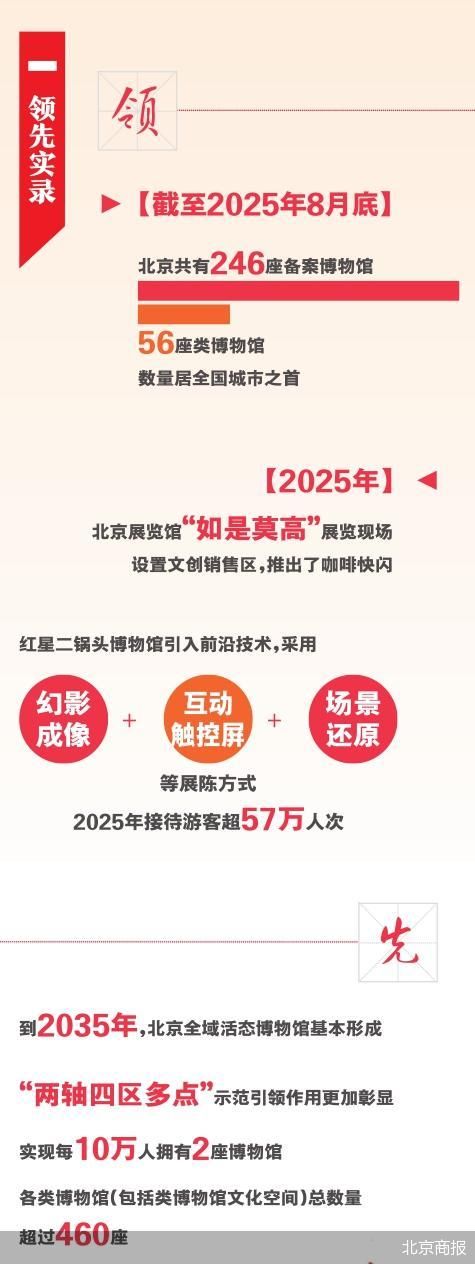
Core Insights - Beijing is witnessing a significant transformation in its museum landscape, moving from quantity to quality, with a focus on enhancing visitor experiences and integrating cultural resources into the urban economy [3][11][12] Group 1: Museum Development and Trends - Beijing has the highest number of registered museums in China, with 246 museums and 56 quasi-museums as of August 2025 [5] - The city is experiencing a rise in niche theme museums, such as the Dongsi Hutong Museum, which attract visitors through unique themes and immersive experiences [4][5] - Museums are increasingly adopting high-tech solutions to create immersive environments, enhancing visitor engagement and experience [8][9] Group 2: Commercialization and IP Development - Many theme museums are exploring commercialization through the development of cultural products and immersive experiences, moving beyond traditional ticket sales [7][8] - The integration of cultural IP is becoming essential for museums to enhance their commercial viability and visitor engagement [9][15] - Museums are developing customized tours and educational programs to generate revenue while maintaining their public service nature [8][11] Group 3: Cultural and Economic Impact - High-quality museums are seen as vital for enhancing urban cultural landmarks and driving economic growth, particularly in tourism and cultural industries [13] - The integration of museums with surrounding commercial and tourism sectors is crucial for creating sustainable consumption scenarios and enhancing visitor experiences [11][12] - The Beijing Museum City Development Plan aims to establish a comprehensive museum ecosystem by 2035, with a target of over 460 museums [12]

让IP活起来 北京博物馆之城破圈
Bei Jing Shang Bao· 2026-01-28 16:20
Core Insights - Beijing is witnessing a significant transformation in its museum landscape, focusing on quality enhancement and cultural integration to drive economic growth [1][10][12] Group 1: Museum Development - The number of museums in Beijing has reached 246, leading the nation, with a focus on quality improvement alongside quantity [4][12] - The emergence of niche museums, such as the Dongsi Hutong Museum, showcases unique themes and immersive experiences, attracting a diverse audience [5][13] - Museums are evolving from traditional roles to become vital engines for economic development, enhancing consumer engagement and cultural tourism [1][10] Group 2: Commercialization Strategies - Many museums are exploring commercial pathways, including customized tours and educational programs, to generate revenue while maintaining public service [8][9] - The integration of technology and immersive experiences is becoming a key focus for museums, enhancing visitor engagement and satisfaction [7][8] - Cultural IP is increasingly recognized as a crucial element for museums to connect with audiences and sustain operations, shifting from mere exhibition to experiential engagement [9][13] Group 3: Cultural and Economic Impact - The integration of museums with surrounding commercial and tourism sectors is essential for creating sustainable consumption scenarios and enhancing the cultural economy [10][12] - High-quality museums contribute significantly to urban cultural landmarks and economic vitality, driving tourism and creating job opportunities [12] - The development of a comprehensive museum ecosystem is projected to continue, with plans for over 460 museums by 2035, enhancing Beijing's status as a cultural center [12]
两岸共探文博IP“出圈”密码:“与文物相见,不如与故事重逢”
Xin Lang Cai Jing· 2025-12-18 13:48
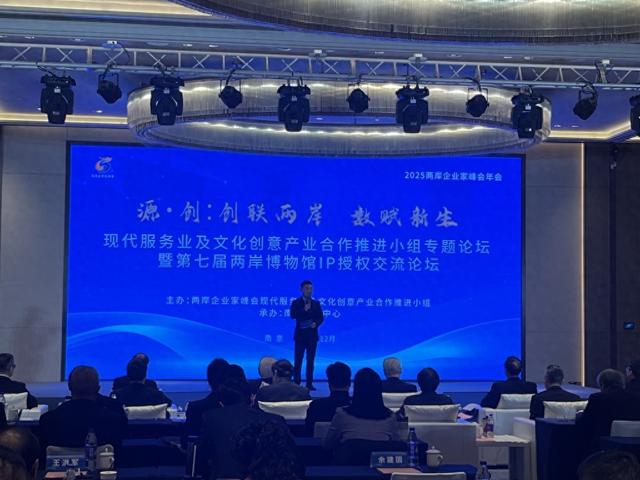
Core Insights - Museums are increasingly popular among young people, leveraging digital technology and cultural products to drive new trends in consumerism [1][3] - The 2025 Cross-Strait Entrepreneurs Summit held in Nanjing focused on topics such as digital empowerment of cultural heritage IP, cross-industry integration, and collaboration between the two sides of the Taiwan Strait [1][3] Group 1: Digital Empowerment and Cultural Innovation - The use of innovative methods to "awaken" ancient artifacts is essential for creating emotional connections with younger audiences [3] - Shanxi Museum has established a cultural product company to explore the "Jin Soul" theme, creating a pyramid-shaped product IP matrix that includes basic cultural products, themed series, and top-tier popular items [3] - The museum tracks social and cultural trends to develop products that resonate emotionally with consumers, such as plush toys inspired by local napping habits [3] Group 2: Cross-Strait Cultural Collaboration - The forum emphasized the importance of reinterpreting cultural heritage for contemporary audiences, rather than merely making artifacts appear youthful [5] - Taipei Palace Museum's designer highlighted the need for innovative design to translate ancient cultural symbols into modern expressions, exemplified by popular products like tape and fridge magnets [5][6] - The "Big Dream: Dream of the Red Chamber" immersive project in Nanjing represents a successful integration of literature, digital art, and physical space, attracting significant youth engagement [6][7] Group 3: Cultural Brand Development - The collaboration between cultural institutions, such as the partnership between Wang Wang Group and Beijing Temple of Heaven, showcases successful cross-industry cultural initiatives [9] - The emotional and historical connections between cultural artifacts from both sides of the Taiwan Strait are emphasized as a foundation for deeper collaboration [10][11] - The forum has facilitated partnerships among over 30 museums and 200 cultural enterprises, enhancing cultural exchanges and creating a platform for youth development [11][12]