
卫生健康民生实事

Search documents
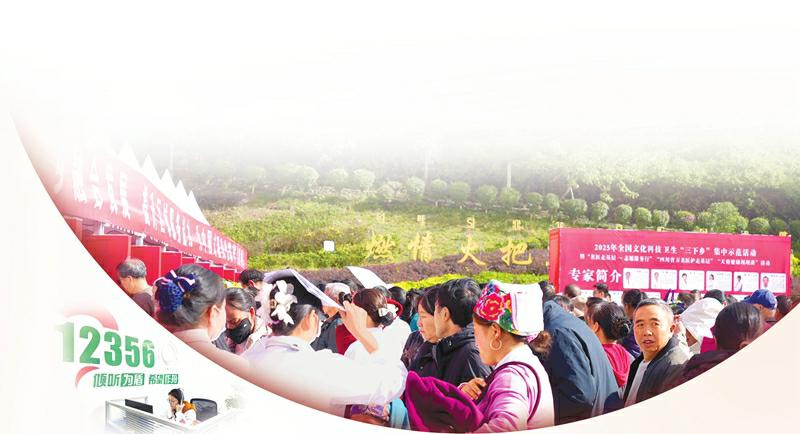
民声所向 健康所系 2025年四川卫生健康“8+8”民生实事温暖落地
Si Chuan Ri Bao· 2026-02-04 03:16
Core Insights - The article discusses the implementation of the "8+8" health and wellness initiatives in Sichuan for 2025, focusing on enhancing public health services and accessibility for residents [16][27]. Group 1: Health Services Expansion - Pediatric services are being improved with a three-year action plan, ensuring all 324 secondary and tertiary public hospitals provide pediatric care [9][18]. - Mental health services are being expanded with 531 psychological clinics and 396 sleep clinics achieving city-wide coverage, and a dedicated psychological assistance hotline has served over 41,000 individuals [9][20]. - Blood dialysis services are now available in all counties with populations over 100,000, ensuring local access to necessary treatments [11][18]. Group 2: Public Health Initiatives - The province has provided health education, vaccination, and chronic disease management services to over 83.5 million people through 12 basic public health services [12][23]. - Newborn screening for congenital heart disease has reached a 99.47% rate, exceeding national targets, while additional screenings for metabolic diseases and hearing impairments are also being conducted [12][23]. - Women's health initiatives have included free cancer screenings for over 102,000 women and the establishment of 2,199 vaccination points for HPV vaccines, administering over 176,000 doses [13][23]. Group 3: Accessibility and Convenience - The province has eliminated outpatient prepayment requirements across 4,345 medical institutions, easing financial burdens on patients [10][19]. - A streamlined blood donation reimbursement process has been implemented, allowing over 100,000 individuals to benefit from direct fee waivers [11][19]. - The "Panda Health Train" initiative provides mobile medical services to remote areas, enhancing healthcare access for underserved populations [15][20]. Group 4: Community Engagement and Education - Health knowledge dissemination has been prioritized, with various educational programs and community activities reaching over 200,000 residents [11][20]. - The "Panda Talks Seasonal Health" series has become popular, promoting health awareness through local cultural contexts [20][21]. - Family doctor teams have engaged with over 800,000 elderly individuals, emphasizing proactive healthcare delivery [24][26]. Group 5: Future Directions - Sichuan aims to strengthen grassroots healthcare institutions while controlling the expansion of higher-tier hospitals, ensuring resources are allocated effectively [25][27]. - The province is developing a dynamic healthcare resource map to better align medical services with population needs [26][27]. - Ongoing initiatives will focus on improving maternal and child health services, as well as enhancing the affordability of childcare and support for young families [26][28].

广西织密儿科服务网络
Ren Min Ri Bao· 2026-02-02 22:25
Core Insights - The article highlights the efforts of Guangxi Zhuang Autonomous Region in enhancing healthcare services, particularly in pediatrics, to ensure high-quality health outcomes for the population [1] Group 1: Pediatric Services Expansion - Guangxi has implemented measures to expand and balance pediatric service resources, achieving full coverage of pediatric services in all secondary and tertiary public general hospitals [1] - The region has focused on the training and recruitment of pediatric talent, with the number of pediatric practitioners (including assistants) reaching 1.39 per 1,000 children, significantly improving pediatric emergency and inpatient service capabilities [1] Group 2: Healthcare Accessibility Improvements - The mutual recognition of medical examination and testing results has been deepened, effectively reducing the medical burden on the public [1] - Guangxi has established 438 mutual recognition projects for medical examination and testing results, with 14 prefecture-level cities having over 200 mutual recognition projects each, and an average of 413 mutual recognition projects per city [1]
去年山东卫生健康“8+10”民生实事见效
Xin Lang Cai Jing· 2026-01-20 16:47
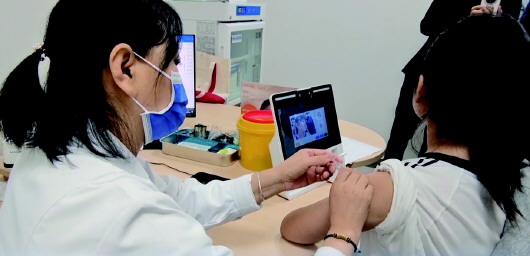
Core Viewpoint - The Shandong Provincial Health Commission is focused on enhancing public health services by implementing a series of initiatives aimed at improving accessibility, quality, and efficiency of healthcare for the population by 2025 [2][5]. Group 1: Key Initiatives for Public Health Services - The province aims to achieve full coverage of pediatric services in township health centers and community health service centers, building on existing services in secondary and tertiary hospitals [3]. - A standardized psychological assistance hotline has been established, with a target of serving over 75,000 individuals by 2025, alongside the implementation of psychological and sleep clinics across various public mental health institutions [3]. - The number of mutual recognition projects for medical testing has increased to 429, with 1,468 medical institutions connected to a shared platform, facilitating over 15 million mutual recognition tests [3]. - There are over 8,300 childcare service institutions in the province, with a total of more than 485,000 childcare spots, achieving a ratio of over 4.8 spots per thousand people [3]. - Starting March 31, 2025, all public medical institutions will stop charging outpatient prepayment fees, and by June 30, 2025, the inpatient prepayment amount for insured patients will be reduced to the average personal payment level for the same disease [3]. - All counties will provide blood dialysis services, ensuring that residents can access standardized dialysis care locally [3]. - A system for online processing of blood fee exemptions has been established, with over 70,000 cases expected to benefit from fee reductions amounting to 38.365 million yuan by 2025 [3]. - The province will host 93 health knowledge dissemination events and nearly 80,000 grassroots health education activities to promote health literacy [3]. Group 2: Additional Health Initiatives - The province plans to upgrade 21,000 village health clinics and has already improved 31,000 facilities according to the "five guarantees and three enhancements" standard [4]. - An electronic vaccination certificate system has been fully implemented, with 1,592 million individuals binding their vaccination records and 13.57 million electronic certificates issued [4]. - A provincial pilot program for traditional Chinese medicine interventions for scoliosis in children and adolescents has screened over 10.768 million students, achieving a screening coverage rate of 70% [4]. - Free prenatal screening and screening for four genetic metabolic diseases in newborns will be conducted, targeting over 90% for prenatal screening and nearly 98% for newborn disease screening by 2025 [4]. - The province will provide free HPV vaccinations and health education for eligible girls, aiming for 261,000 doses administered and over 95% awareness of cervical cancer prevention knowledge [4]. - Free cancer screenings for cervical and breast cancer will be offered to low-income women aged 35-64, with a coverage rate exceeding 90% [4]. - A comprehensive colorectal cancer prevention program will be implemented, with 200,000 screenings completed for high-risk populations [4]. - The construction of geriatric hospitals and rehabilitation facilities will be accelerated, achieving full coverage of public geriatric hospitals at the municipal level [4]. - The "Ruyun Emergency" system will be enhanced, with 569 ambulances upgraded to "5G+Ruyun Emergency" vehicles [4]. - A smart shared traditional Chinese medicine pharmacy system will be established, providing online herbal medicine services [4]. Group 3: Future Plans - Shandong will continue to focus on improving public welfare and health services, planning to implement a series of "8+10" initiatives in 2026 to address urgent public health needs and enhance overall health service satisfaction [5].
山东推出“8+10”民生实事系列
Xin Lang Cai Jing· 2026-01-16 20:09
Core Viewpoint - Shandong Province is implementing a series of "8+10" livelihood projects to enhance healthcare services, focusing on accessibility, quality, and efficiency for the public [1][2] Group 1: Key Initiatives - The initiative includes full coverage of pediatric services in township health centers and community health service centers [1] - A standardized psychological assistance hotline platform "12356" has been established, making Shandong the first province to complete this [1] - The number of recognized inspection and testing results has increased to 429 items across the province [1] Group 2: Child and Elderly Care - Over 8,300 childcare service institutions have been established, providing more than 485,000 childcare spots, with a ratio of over 4.8 spots per thousand population [1] - A provincial pilot program for traditional Chinese medicine intervention for children with scoliosis has been launched [2] - Free screening for colorectal cancer has been completed for 200,000 individuals in key populations [2] Group 3: Infrastructure and Emergency Services - The renovation and upgrade of 21,000 village clinics are part of the initiative [2] - All counties and districts have implemented electronic vaccination certificates [2] - The emergency response system is being enhanced with the upgrade of "5G + Lu Yun Emergency" ambulances, allowing for immediate hospital admission upon boarding [2]
聚焦急难愁盼精准发力, 2025年山东卫生健康“8+10”民生实事落地见效
Qi Lu Wan Bao· 2026-01-15 08:22
Core Viewpoint - The Shandong Provincial Health Commission is focused on enhancing public health services by implementing a series of initiatives aimed at improving healthcare accessibility and quality for the population by 2025 [1] Group 1: National Health Initiatives - The province will implement eight national health service initiatives, including expanding pediatric services to community health centers and achieving full coverage in township health centers [2] - A standardized psychological assistance hotline will be established, aiming to serve over 75,000 people by 2025, with extensive mental health education activities planned [2] - The number of mutual recognition projects for medical inspections will increase to 429, with over 15 million mutual recognition instances recorded [2] - The province will stop collecting outpatient prepayment fees and reduce inpatient prepayment amounts to the average personal payment level for the same disease by mid-2025 [2] - Blood dialysis services will be available in all counties, and a system for online blood fee exemptions will be implemented, benefiting over 70,000 people with a total exemption amount of 38.37 million yuan [2] - Health knowledge dissemination will be enhanced through various public health events and lectures [2] Group 2: Local Health Initiatives - The province plans to upgrade 31,000 village health clinics, with a focus on improving service standards [3] - Electronic vaccination certificates will be fully implemented, with over 13.57 million certificates issued through the "Love Shandong" platform [3] - A provincial pilot program for traditional Chinese medicine intervention for scoliosis in schoolchildren will screen over 10.76 million students [3] - Free prenatal and newborn screenings will be conducted, with prenatal screening rates exceeding 90% and newborn disease screening rates nearing 98% by 2025 [3] - Free HPV vaccinations and health education for eligible girls will be provided, with over 261,000 doses administered [3] - Cancer screenings for cervical and breast cancer will target over 90% of eligible women aged 35-64 [3] - A comprehensive approach to colorectal cancer prevention will be implemented, with 200,000 screenings completed [3] - The construction of elderly care facilities will be accelerated, with over 71% of counties establishing rehabilitation or nursing homes [3] - The "Ruyun Emergency" system will be enhanced, upgrading emergency vehicles to improve pre-hospital care [3] - A smart shared traditional Chinese medicine pharmacy initiative will be launched, providing online services for herbal medicine preparation [3] Group 3: Future Plans - Shandong will continue to focus on upgrading public welfare and addressing urgent issues for the population, planning for key public welfare initiatives for 2026 [4]