友岸外包战略

Search documents
比美国还高,墨西哥通知中国将加税50%,商务部:想好了吗?
Sou Hu Cai Jing· 2025-12-21 05:42
Group 1 - Mexico plans to impose tariffs of up to 50% on China and other Asian countries without trade agreements with Mexico, effective January 1, 2024, which exceeds the tariff increases by the United States [1] - The motivation behind Mexico's decision is political speculation, aiming to gain short-term security and benefits within the U.S.-led North American trade system by sacrificing its relationship with China [3] - Approximately 80% of Mexico's exports go to the United States, making it crucial for Mexico to prioritize its relationship with the U.S. over China, especially with the upcoming review of the USMCA in 2026 [5] Group 2 - Mexico is actively promoting a nearshoring strategy to redirect supply chains to North America or countries with free trade agreements with the U.S., reinforcing its core position in the North American industrial chain [7] - Mexico's unilateral tariff increase could destabilize its business environment, reducing foreign investment confidence, and if China retaliates, it may lead to capital outflows [9] - The Chinese Ministry of Commerce has responded to Mexico's tariff proposal, emphasizing the importance of communication and the potential consequences of Mexico's actions, indicating that Mexico should reconsider its stance [9]


东大两大友国倒戈美国?特朗普收340亿大单,美国棘手问题解决了
Sou Hu Cai Jing· 2025-12-15 10:09
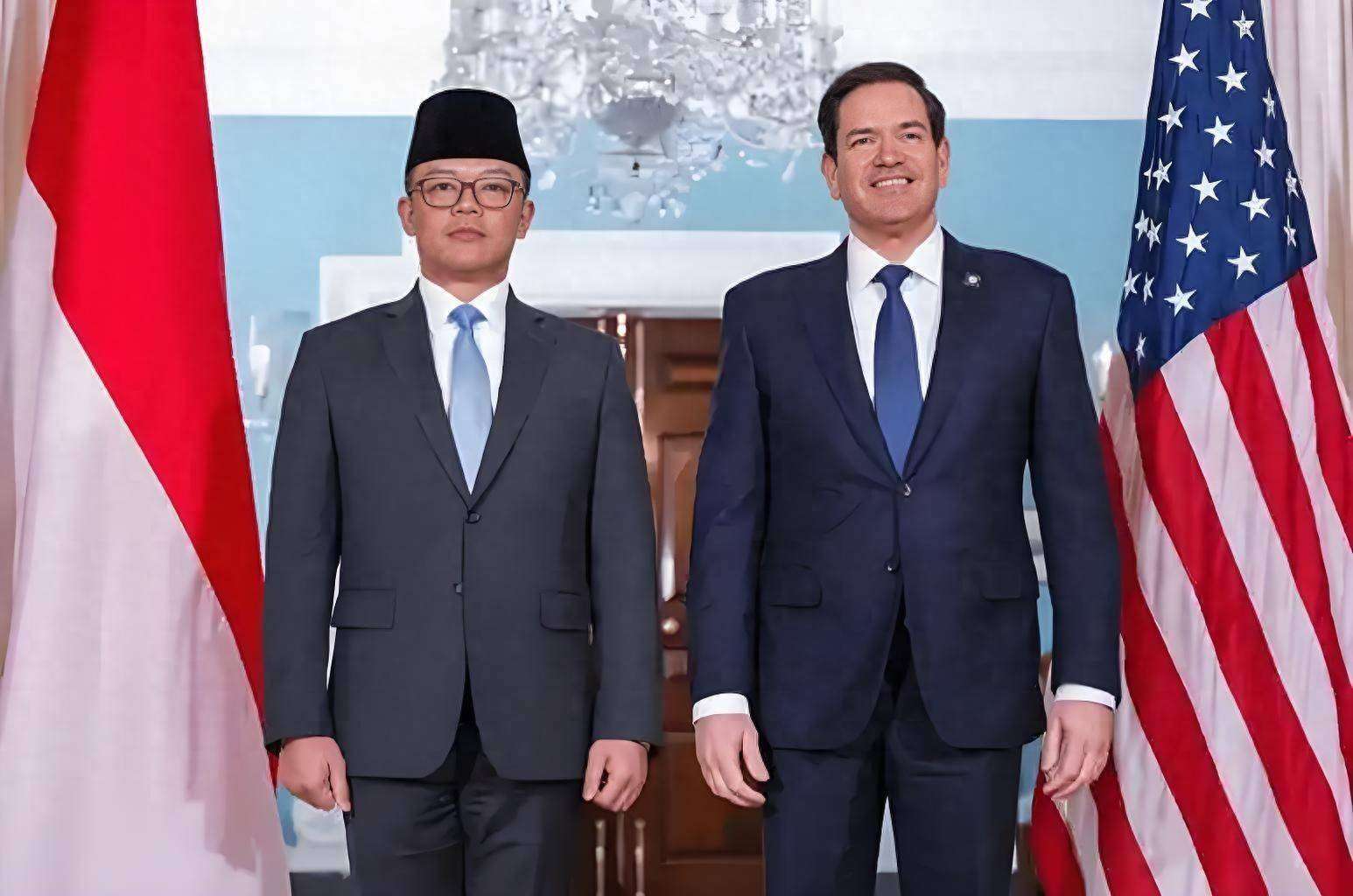
Group 1 - The core viewpoint of the article highlights the strategic shift in U.S. trade policy, as evidenced by recent trade agreements with Vietnam, Cambodia, and Indonesia, which reflect America's efforts to reshape regional trade rules and extend its influence globally [1][3][12] - Cambodia successfully reduced its punitive tariffs from 49% to 20% through its agreement with the U.S., while Indonesia signed a $34 billion deal prioritizing U.S. access to its nickel resources, indicating a new phase in U.S. economic positioning in Southeast Asia [1][9] - The U.S. has implemented a tiered tariff policy, imposing tariffs as high as 40% on re-exported goods from third countries, and has strengthened origin verification standards, which could disrupt the export pathways of Chinese goods through Southeast Asia [3][12] Group 2 - Cambodia's economic reliance on the U.S. is significant, with exports to the U.S. reaching $26.2 billion in 2024, accounting for 40% of its total exports, primarily driven by the textile and footwear sectors [6][8] - The U.S. has mandated Cambodia to establish a comprehensive traceability system for exports, which poses challenges for local production costs, increasing them by 8% to 12%, thereby squeezing profit margins for Cambodian businesses [8] - Indonesia's agreement with the U.S. to prioritize nickel supply raises concerns about economic dependency, as Indonesia is the largest nickel producer globally, holding 24% of the world's reserves, which could jeopardize its economic autonomy [9][10] Group 3 - The agreements also include provisions for Indonesia to increase its imports of U.S. liquefied natural gas (LNG) to 30% over the next five years, aiming to diminish China's influence in the regional energy market [10] - Indonesia's military cooperation with the U.S. is deepening, with plans to acquire advanced military aircraft, which further complicates its strategic autonomy [10] - Despite the growing ties between Southeast Asian nations and the U.S., the article suggests that these countries' economic vulnerabilities may ultimately undermine their positions, potentially benefiting China in the long run [16]