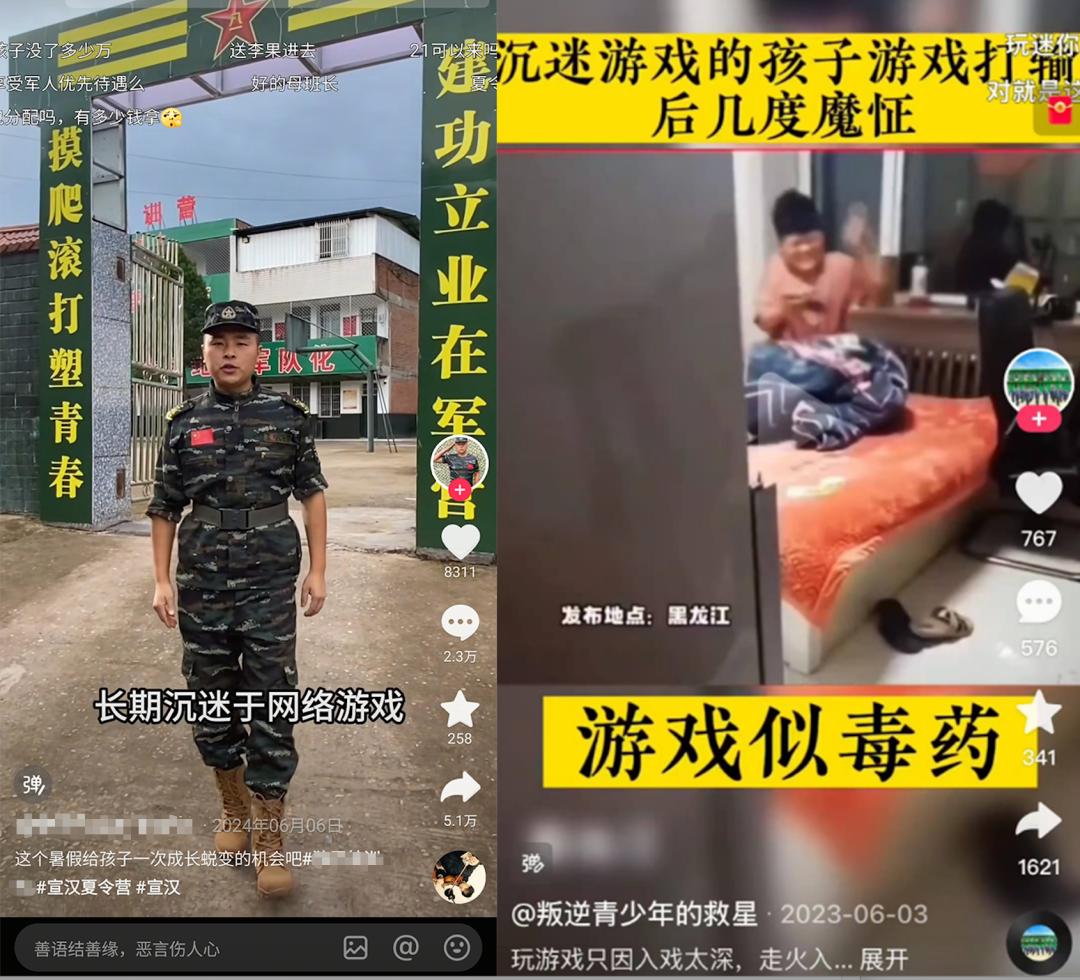
反游戏产业

Search documents
以骂游戏之名卖课,套路满满的生意帮不了孩子
Xin Jing Bao· 2025-07-22 09:35
Core Viewpoint - The rise of the "anti-gaming industry" is driven by influencers who criticize video games while promoting expensive educational courses, exploiting parental anxiety about children's gaming habits [1][2][4]. Group 1: Anti-Gaming Industry - The "anti-gaming industry" is characterized by influencers linking gaming to negative behaviors, capturing parental attention, and directing children to addiction treatment programs, forming a significant part of the current ecosystem [2][3]. - The industry has grown into a substantial market, with estimates suggesting that by 2025, the total scale of the anti-gaming industry, including addiction schools and training camps, could exceed 70 billion yuan [2]. Group 2: Parental Responsibility and Systemic Issues - Addressing youth gaming addiction requires a comprehensive approach, including parental supervision and educational responsibilities, rather than relying solely on regulations or measures from gaming platforms [3][5]. - Parents often face challenges in monitoring their children's gaming due to work commitments and other responsibilities, leading to a collective anxiety that the anti-gaming content exploits [3][4]. Group 3: Marketing Tactics and Consumer Awareness - The marketing strategies employed by influencers involve creating emotional distress among parents, leading them to invest in high-priced educational courses that often yield little to no results [4]. - Parents are encouraged to critically evaluate these marketing tactics and recognize the underlying psychological issues related to gaming addiction, promoting a more balanced approach to managing their children's gaming interests [5].
靠“反游戏”生意,这群人一年赚了700亿
创业邦· 2025-05-23 10:06
Core Viewpoint - The article discusses the emergence of a "anti-gaming" industry in China, which has generated an annual revenue exceeding 70 billion yuan, surpassing the total box office revenue of Chinese films in 2024 by 65% [3][4]. Group 1: Industry Overview - The "anti-gaming" industry includes various entities such as addiction treatment schools, short-term camps, self-media content creators, and online experts, all focused on combating gaming addiction [12]. - The revenue of these institutions is substantial, with some generating over 100 million yuan annually, comparable to mid-sized gaming companies [4][10]. - The industry has evolved to include closed training centers and camps that employ semi-military management styles, with a total of at least 600 such centers currently operating in China [47]. Group 2: Revenue Generation - The closed training centers typically charge between 20,000 to 60,000 yuan per student for programs lasting three months, leading to significant revenue generation [9][10]. - Short-term camps, which last 7 to 14 days, charge between 5,000 to 15,000 yuan and can generate substantial income, with estimates suggesting that these camps alone could bring in around 8 billion yuan annually [48]. - Influential figures in the education sector, such as Wang Kun and Li Yang, leverage their platforms to promote high-priced courses, contributing to the overall revenue of the anti-gaming industry [49]. Group 3: Marketing Strategies - Social media platforms, particularly short video sites, serve as the primary marketing channels for these institutions, with many relying on viral content that highlights the dangers of gaming to attract parents [11][32]. - The narrative that links gaming to various social issues, such as youth rebellion and mental health problems, is a common tactic used to create urgency among parents [53]. - The marketing strategies often include exaggerated claims about the effectiveness of their programs, with some institutions promising to cure gaming addiction within 30 days [53]. Group 4: Impact on Families - The financial burden of these programs can be significant for families, with some institutions justifying high costs by emphasizing the importance of correcting children's behavior [37]. - The article highlights the emotional and psychological toll on children subjected to harsh training methods, which may lead to long-term trauma rather than effective behavioral change [46]. - The underlying issues of family communication and support are often overlooked, with the focus placed on gaming as the primary culprit for youth problems [54].

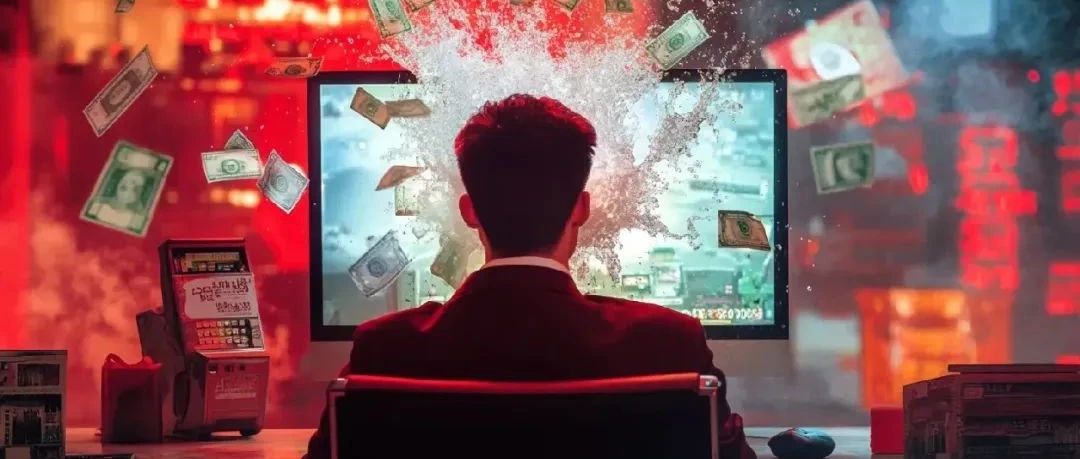
靠“反游戏”生意,这群人一年赚了700亿
商业洞察· 2025-05-23 09:42
Core Viewpoint - The "anti-gaming" industry has emerged as a lucrative business, generating over 70 billion yuan annually, surpassing China's total box office revenue for films by 65% in 2024 [2][49]. Group 1: Industry Overview - The "anti-gaming" industry includes various forms such as closed training schools, short-term addiction camps, self-media content creators, and online education experts [15][49]. - The industry has seen significant growth, with the number of closed training centers exceeding 600 nationwide, and many institutions reporting annual revenues exceeding 100 million yuan [49]. Group 2: Business Models - New types of internet addiction schools are emerging, with half of their clients coming from short video platforms [6][13]. - The revenue model for these institutions often relies on high fees for training programs, with costs ranging from 2,000 to 12,000 yuan per person for different tiers of training [10][12]. Group 3: Key Figures and Influencers - Influencers like Wang Kun and Li Yang have capitalized on the anti-gaming sentiment, using social media to promote their educational programs and generate significant revenue [19][50]. - Wang Kun's courses can cost up to 29,800 yuan, and he has successfully sold over 10,511 educational products through his online platforms [22][50]. Group 4: Marketing Strategies - The primary marketing strategy for these institutions involves leveraging social media to create anxiety among parents regarding their children's gaming habits, thus driving them to seek out these programs [33][53]. - Many influencers and institutions utilize unverified statistics to reinforce the narrative that gaming is detrimental to youth, effectively capturing the attention of concerned parents [33][53]. Group 5: Ethical Concerns - The methods employed by some training centers have raised ethical concerns, with reports of harsh treatment and psychological distress inflicted on children during training [40][42]. - The industry's focus on profit often overlooks the psychological needs of children, leading to potential long-term harm rather than effective behavioral correction [47][53].
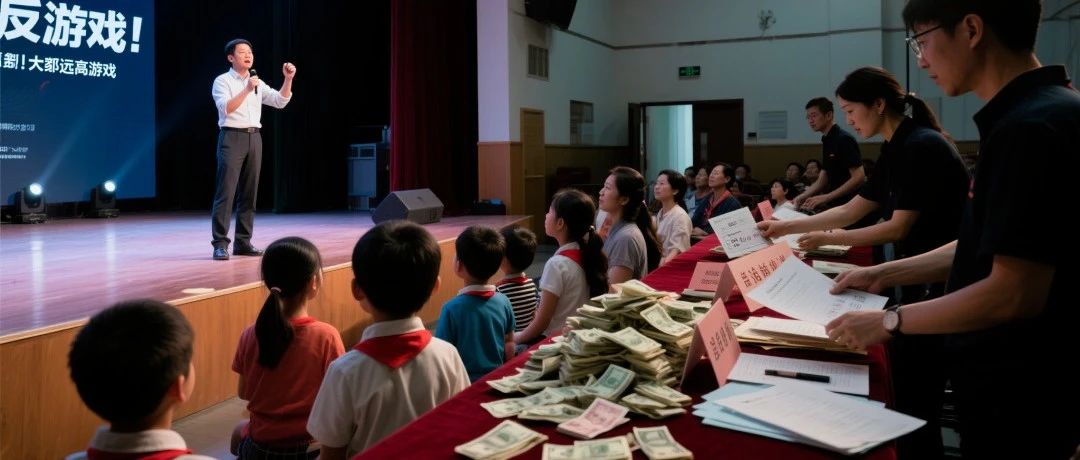
靠“反游戏”生意,这群人一年赚了 700 亿
3 6 Ke· 2025-05-22 11:05
Core Insights - The "anti-gaming" industry has emerged as a lucrative business, generating over 70 billion yuan annually, surpassing China's total box office revenue for 2024 by 65% [1][37]. - Numerous institutions within this industry report revenues exceeding 100 million yuan, comparable to mid-sized gaming companies [2][3]. - The rise of short video platforms has significantly contributed to the growth of this industry, with many organizations relying on these platforms for customer acquisition [10][38]. Industry Overview - The "anti-gaming" industry includes various forms such as closed training schools, short-term addiction camps, and self-media content creators, all focused on combating gaming addiction [10][38]. - The industry has evolved from traditional addiction treatment centers to modern "training camps" and "character development camps," employing semi-military management styles [37][38]. - The total number of closed training centers in China is estimated to be no less than 600, with annual revenues typically exceeding 1 billion yuan [37]. Revenue Generation - The average revenue for larger training centers can reach 100 million yuan annually, while smaller centers can still achieve significant earnings [10][38]. - Short-term training camps, often lasting 7 to 14 days, are proliferating in first- and second-tier cities, with potential annual revenues reaching 8 billion yuan from just 200 camps [38]. - Influential figures in the education sector, such as Wang Kun and Li Yang, leverage their platforms to promote high-priced courses, contributing to the industry's overall revenue [39]. Marketing Strategies - The primary marketing strategy for many organizations involves creating anxiety among parents regarding their children's gaming habits, effectively driving them to seek out these services [43][45]. - Social media accounts often utilize unverified statistics to reinforce the narrative that gaming is detrimental to youth, thus attracting parents' attention [24][25]. - The "anti-gaming" narrative has become a key customer acquisition strategy, leading to a surge in related institutions entering the market [26][30]. Social Implications - The industry's focus on "curing" gaming addiction often overlooks the underlying issues of family communication and social support systems, leading to potential harm to children [45][46]. - The methods employed by some training centers have raised ethical concerns, with reports of abusive practices under the guise of discipline [30][32]. - The industry's growth reflects a broader societal issue where parental engagement and understanding of children's needs are lacking, resulting in a reliance on external solutions [44][47].