口感与健康平衡

Search documents
遭遇“咖啡因风暴” 霸王茶姬一夜市值蒸发2亿美元
Xin Lang Cai Jing· 2025-12-27 11:31
Core Viewpoint - The controversy surrounding the caffeine content in BaWang Tea Ji has led to a significant market reaction, with the company's market value dropping by $200 million due to consumer concerns and social media backlash [1] Company Summary - BaWang Tea Ji faced a backlash on social media regarding its caffeine content, with comparisons made to energy drinks like Red Bull, suggesting that one cup of BaWang Tea Ji is equivalent to nearly four cans of Red Bull [1] - The company responded by clarifying that its caffeine content is comparable to that of a latte and significantly lower than that of an Americano, but this response did not fully quell the controversy [1] - Analysts express concern that the caffeine debate could negatively impact the brand's image and sales performance, particularly in a market where health and safety are sensitive topics [1] Industry Summary - The caffeine issue is not unique to BaWang Tea Ji but reflects a broader challenge within the new-style tea beverage industry, which struggles to balance flavor and health [1] - Industry analysts note that the caffeine content in tea can vary due to increased tea leaf usage or extraction time, leading to higher caffeine levels [1] - There is a lack of standardized labeling for caffeine content in the industry, resulting in consumers often unknowingly consuming excessive caffeine [1] - The controversy has heightened consumer awareness regarding beverage ingredients, with many now prioritizing ingredient transparency when selecting drinks [1] - The situation presents both challenges and opportunities for companies in the industry, emphasizing the need for a balance between taste and health in a competitive market [1]
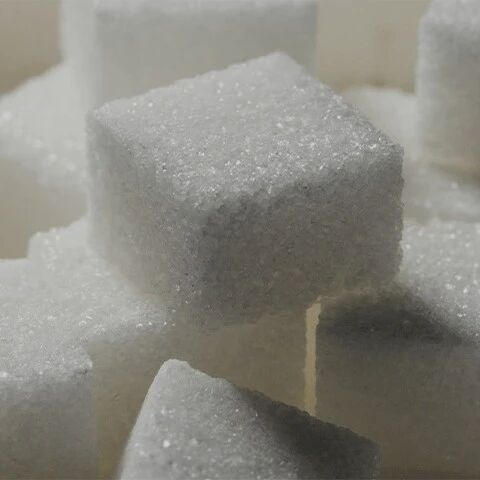
白砂糖重回配料表
36氪· 2025-11-17 00:10
Core Viewpoint - The article discusses the return of white sugar to beverage ingredient lists, driven by an upgrade in consumer health awareness and a demand for controllable taste experiences [4][27]. Group 1: Market Trends - The beverage market has seen a significant shift with the rise of sugar-free drinks, initiated by brands like Yuanqi Forest in 2018, which led to a decline in the presence of white sugar in ingredient lists [9][15]. - However, in the recent beverage season, traditional beverage companies have reintroduced white sugar in their products, indicating a change in consumer preferences towards a balance of taste and health [8][15]. - The global largest erythritol manufacturer, San Yuan Bio (301206.SZ), saw its erythritol revenue peak at 1.567 billion yuan in 2021, but it is projected to drop to 515 million yuan in 2024 due to an oversupply in the market [12][13]. Group 2: Consumer Preferences - Consumers are now more inclined to accept the presence of white sugar in beverages, as seen with brands like Yuanqi Forest and Nongfu Spring launching new products that contain white sugar while promoting low-sugar options [15][17]. - The trend reflects a shift from an absolute avoidance of sugar to a preference for lower sugar content that still delivers enjoyable taste experiences [27][28]. - Brands are strategically reducing serving sizes to manage sugar intake while still offering products that satisfy taste preferences, indicating a nuanced approach to sugar consumption [18][22]. Group 3: Competitive Landscape - The sugar tea market, valued at nearly 90 billion yuan, is experiencing a competitive yet stable environment, with traditional beverage companies maintaining significant market shares [32][35]. - Major players like Master Kong, Uni-President, and Nongfu Spring dominate the market, collectively holding over 69% of the market share, with growth rates exceeding 5% [35][36]. - The introduction of new products in the sugar tea category continues to outpace sugar-free options, suggesting a sustained consumer interest in traditional flavors [34][35].



白砂糖重回配料表
东京烘焙职业人· 2025-11-16 08:32
Core Viewpoint - The article discusses the resurgence of white sugar in beverage ingredient lists, highlighting a shift in consumer preferences towards a balance of taste and health, as well as the evolving strategies of beverage companies in response to these trends [5][14][26]. Group 1: Market Trends - The beverage market has seen a significant shift with the rise of sugar-free drinks, initiated by brands like Yuanqi Forest in 2018, which led to a decline in the presence of white sugar in ingredient lists [8][12]. - However, in the recent beverage season, traditional beverage companies have reintroduced white sugar in their products, indicating a change in consumer perception towards health and taste [7][14]. - The market for sugary tea beverages is substantial, nearing 900 billion, and is experiencing a transition from rapid expansion to a focus on quality development [31][34]. Group 2: Consumer Preferences - Consumers are increasingly seeking a balance between health and taste, leading to a demand for products that offer lower sugar content without sacrificing flavor [18][26]. - The trend of "controlled indulgence" is emerging, where brands are marketing products with reduced sugar while still incorporating white sugar to enhance taste [16][20]. - Younger consumers are particularly interested in products that provide enjoyable flavors without the guilt associated with high sugar content [21][26]. Group 3: Company Strategies - Companies like Yuanqi Forest and Nongfu Spring have launched new products featuring white sugar, emphasizing low-sugar and reduced-sugar branding to attract health-conscious consumers [14][16]. - The use of alternative sweeteners like erythritol and sucralose has been prevalent, but companies are now recognizing the unique taste benefits of white sugar, leading to its reintroduction in various products [10][20]. - Major brands such as Master Kong and Uni-President maintain significant market shares in the sugary tea segment, indicating their strong influence and the stability of this market despite health trends [34][35].