
口服胰岛素

Search documents
速递|14.2亿元甩卖口服胰岛素梦:华润踩雷十年止损
GLP1减重宝典· 2026-02-14 14:58
Core Viewpoint - The article discusses the divestment of a 17.87% stake in Tianmai Biotechnology by China Resources Pharmaceutical, marking a significant shift in strategy after a decade of investment in oral insulin, which has faced multiple setbacks and challenges in commercialization [5][9]. Group 1: Company Background and Investment History - China Resources Pharmaceutical began its investment in Tianmai Biotechnology in 2016, focusing on the development and commercialization of insulin and its analogs, particularly oral insulin [5]. - The initial optimism surrounding oral insulin was based on its potential to improve patient compliance by replacing injections with oral administration, thus expanding the user base [5][6]. Group 2: Challenges Faced - The development of oral insulin has proven to be extremely challenging due to the instability of insulin in the gastrointestinal tract and the difficulty in achieving stable bioavailability [6]. - Tianmai faced delays in obtaining necessary approvals for injectable insulin, and the introduction of centralized procurement in China significantly altered the market dynamics, leading to price reductions and increased competition from larger players [6][7]. Group 3: Recent Developments and Strategic Shift - In 2023, Oramed's failure to meet primary and secondary endpoints in Phase III trials for ORM-0801 posed a significant setback for the oral insulin narrative, leading to diminished investor confidence and uncertainty regarding future funding [9]. - Following these developments, China Resources Pharmaceutical opted to divest its stake in Tianmai, indicating a strategic pivot towards more certain and commercially viable products, such as a partnership with Borui Pharmaceutical for BGM0504 [10]. Group 4: Market Context and Future Outlook - The divestment reflects a broader trend in the pharmaceutical industry where large companies are increasingly focused on maximizing returns on capital and minimizing exposure to high-risk projects [11]. - Despite the withdrawal from oral insulin, the article suggests that there may still be potential for value in Tianmai, as the company explores new avenues such as GLP-1 analogs, although the competitive landscape has become significantly more challenging [10][11].


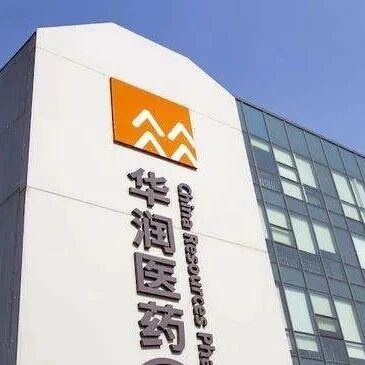
14.2亿元!华润医药又抛售一药企
Xin Lang Cai Jing· 2026-02-10 09:50
Core Viewpoint - China Resources Pharmaceutical announced the potential sale of approximately 17.87% equity in Tianmai Biotechnology, with a listing price of around RMB 1.42 billion, marking its exit from being a core shareholder after a 10-year investment [1][4]. Group 1: Company Overview - Tianmai Biotechnology, established in 2010, focuses on the development of diabetes-related products and services [1]. - The company has a diverse shareholder structure with 21 shareholders, where China Resources Pharmaceutical Investment holds a 20% stake, making it the largest and core shareholder [1]. Group 2: Investment History - China Resources Pharmaceutical initially invested in Tianmai Biotechnology due to its focus on the significant diabetes market and the potential of oral insulin ORM-D-0801 [3]. - The investment history includes a previous sale of 14.12% equity for approximately HKD 1.147 billion in 2017, triggered by Tianmai's failure to obtain GMP certification [3][4]. Group 3: Product Development - Tianmai Biotechnology has partnered with Singapore's Vanier Company for joint research and development of biopharmaceuticals, establishing bases in Israel and China [2]. - The company developed ORM-D-0801, an oral insulin product aimed at treating type 2 diabetes, which faced challenges in clinical trials [6]. Group 4: Market Challenges - The oral insulin ORM-D-0801 failed to meet primary and secondary endpoints in a Phase III trial, leading to its rejection by the National Medical Products Administration in December 2025 [7]. - Following the failure of ORM-D-0801, Tianmai Biotechnology must return to the traditional insulin market, facing competition from established players without the scale or technology reserves [7]. Group 5: Strategic Decisions - The decision to sell Tianmai Biotechnology's stake reflects China Resources Pharmaceutical's broader strategy of divesting non-core assets amid changing market conditions [8]. - This strategic move indicates a proactive approach to risk management and resource allocation in a complex market environment [8].
速递|口服研发不易!全球首个口服胰岛素,上市失败
GLP1减重宝典· 2025-12-31 10:59
Core Viewpoint - The withdrawal of ORMD-0801 by Tianhui Biotech highlights the long-term uncertainty surrounding the oral insulin market, which is considered a high-difficulty area in the pharmaceutical industry [6][12]. Group 1: Product Development and Market Potential - ORMD-0801 aims to address a long-standing challenge in medicine by enabling oral administration of insulin, which offers advantages in patient compliance and long-term treatment experience compared to injectable forms [7]. - The global diabetes patient population is large, making the insulin market attractive, especially for type 2 diabetes patients who often rely on exogenous insulin due to the depletion of their own pancreatic beta-cell function [7][8]. Group 2: Technological and Strategic Background - ORMD-0801 is not a homegrown product but was introduced to Tianhui Biotech from the Israeli company Oramed in 2015, which specializes in oral delivery technology for proteins [9]. - Oramed's POD™ technology aims to protect insulin from gastric acid and facilitate its absorption in the intestines, a challenge that many pharmaceutical companies have faced [9]. Group 3: Clinical Trials and Regulatory Challenges - ORMD-0801 completed its Phase III clinical trial in China in 2022 and was submitted for approval in April 2023, but faced controversy due to the failure of a similar trial in the U.S. [10]. - Despite the U.S. trial's failure, Tianhui Biotech maintained that the differences in clinical trial designs would not affect expectations in China, although this raised regulatory scrutiny [10]. Group 4: Financial and Operational Issues - In August 2023, Oramed and Tianhui Biotech announced plans to establish a joint venture, OraTech, to focus on global registration of the oral insulin pipeline, with both parties investing significant amounts [11]. - However, the joint venture was terminated in October 2025 due to Tianhui Biotech's failure to meet financial conditions, limiting its ability to participate in global expansion [11]. Group 5: Industry Trends and Future Outlook - Tianhui Biotech faces operational challenges, including tax issues and contract disputes, raising concerns about its stability [12]. - The approval of long-acting insulin products by competitors, such as Novo Nordisk, is reducing the urgency for oral insulin solutions, indicating a shift in the market landscape [12]. - The withdrawal of ORMD-0801 does not signify the end of oral insulin development but underscores the high investment and failure rates in this challenging field [13].
口服胰岛素上市申请未能成功
第一财经· 2025-12-29 12:49
Core Viewpoint - The article discusses the unsuccessful application for market approval of the oral insulin capsule by Hefei Tianhui Biotechnology Co., Ltd., which is significant as it is the first oral insulin product submitted for approval globally [4][6]. Group 1: Product Overview - The oral insulin capsule, known as recombinant human insulin enteric-coated capsule, was first submitted for market approval in China in April 2023, aimed at treating type 2 diabetes patients who do not respond well to oral hypoglycemic agents [4][6]. - This product is an introduced product from the Israeli company Oramed [5]. Group 2: Market and Clinical Context - Insulin has been crucial in diabetes treatment, and early initiation of insulin therapy is vital for managing the condition. However, the subcutaneous injection method has led to hesitance among some patients, delaying the start of insulin therapy and affecting blood sugar control [6]. - The development of oral insulin has faced challenges, with major insulin companies experiencing failures in development. The complexity of insulin as a peptide hormone makes oral absorption difficult due to its large molecular weight and susceptibility to enzymatic degradation [7]. Group 3: Clinical Trial and Approval Challenges - The oral insulin capsule faced controversy during its application in China, as the phase III clinical trials conducted abroad had previously failed. In January 2023, Oramed announced that its phase III trial for the oral insulin capsule did not meet its primary and secondary endpoints [7]. - The failure of the market approval application for the recombinant human insulin enteric-coated capsule may impact Tianhui Biotechnology's future investments and strategies [8].

口服胰岛素上市申请未能成功
Di Yi Cai Jing· 2025-12-29 12:24
Core Viewpoint - The application for the oral insulin capsule by Hefei Tianhui Biotechnology Co., Ltd. has not been successful, raising concerns about the future of this innovative product in the diabetes treatment market [1][3]. Group 1: Product Overview - The recombinant human insulin enteric-coated capsule is notable for being the first oral insulin product to apply for listing globally, aimed at treating type 2 diabetes patients who do not respond well to oral hypoglycemic agents [1]. - This product is an introduced product from the Israeli company Oramed, which has faced challenges in its clinical trials [1][3]. Group 2: Clinical Trial Challenges - The development of oral insulin is complex due to the nature of insulin as a protein hormone, which is large in molecular weight and susceptible to enzymatic degradation [3]. - Oramed's previous phase III clinical trials for the oral insulin capsule ORM-D-0801 did not meet primary and secondary endpoints, leading to skepticism about the product's viability [3]. Group 3: Market Implications - The failure of the listing application for the oral insulin capsule may impact Tianhui Biotechnology's future investments and strategies in the diabetes treatment sector [3].
