司法程序

Search documents
推动《生态环境监测条例》与司法监督同频共振
Xin Hua Ri Bao· 2026-02-13 00:16
Core Viewpoint - The article discusses the implementation of the "Ecological Environment Monitoring Regulations" which aims to enhance the integrity and accuracy of environmental monitoring data, establishing a comprehensive legal framework for accountability in the industry [1][5][6]. Summary by Sections Collaboration with Judicial Procedures - The regulations provide a unified standard for the review of monitoring data in judicial processes, addressing inconsistencies in previous practices [2]. - Monitoring data must meet specific criteria to be considered valid evidence, reinforcing the reliability of data used in judicial proceedings [2]. - The regulations impose penalties ranging from 20,000 to 200,000 yuan for non-compliance, increasing the cost of violations and promoting compliance among enterprises and service providers [2] Response to Judicial Supervision - The regulations establish a comprehensive monitoring system that delineates the responsibilities of various entities involved in environmental monitoring [3]. - They require enterprises to conduct self-monitoring and maintain records for at least five years, ensuring transparency and accountability [3]. - The regulations enhance self-discipline among monitoring entities and align with judicial oversight, facilitating precise supervision of compliance [3] Connection to Judicial Accountability - The regulations create a multi-tiered accountability system that integrates administrative, civil, and criminal responsibilities for monitoring violations [5]. - They clarify the responsibilities of different parties involved in monitoring, reducing ambiguity and enhancing the effectiveness of legal enforcement [5]. - A "lifetime industry ban" is established for individuals convicted of crimes related to monitoring, alongside significant fines and penalties, ensuring comprehensive accountability [5] Overall Impact - The full implementation of the regulations is expected to lead to more precise, efficient, and robust judicial accountability in the environmental monitoring sector, thereby safeguarding the authenticity of ecological data [6]
基督城恐袭凶手上诉要求撤销认罪
Zhong Guo Xin Wen Wang· 2026-02-09 05:41
Group 1 - The core point of the article is that Brenton Tarrant, the perpetrator of the Christchurch mosque shootings, is appealing his guilty plea and life sentence without parole, claiming that his mental state was irrational at the time of his plea due to harsh prison conditions [1][2] - Tarrant's appeal could lead to a retrial if the court finds his guilty plea invalid; otherwise, his life sentence will remain in effect [1] - The Christchurch mosque shootings, which occurred on March 15, 2019, resulted in the deaths of 51 Muslim worshippers and were the deadliest mass shooting in New Zealand's history [1] Group 2 - The New Zealand government has previously enacted legislation to prohibit the dissemination of Tarrant's extremist manifesto and videos of the attack, highlighting ongoing societal concerns regarding judicial processes and the rights of terrorist offenders [2]
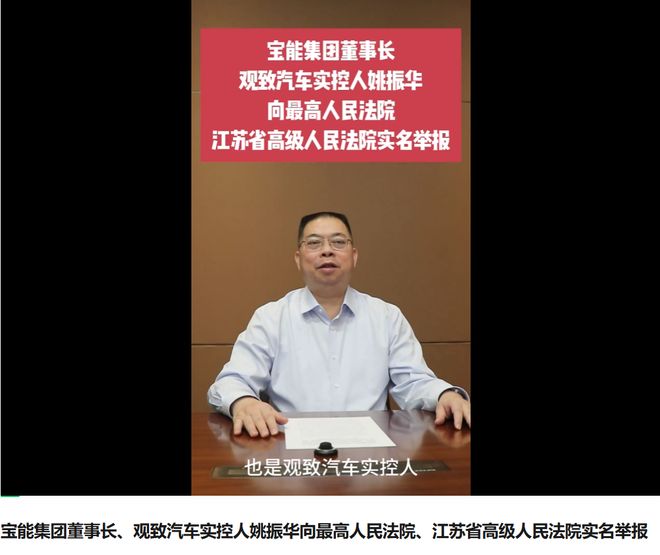
观致法拍流拍!一场举报换来的“喘息”:姚振华的生死时速
Nan Fang Du Shi Bao· 2026-01-16 05:56
Core Viewpoint - The auction of the core assets of Qoros Auto ended in failure, highlighting the ongoing financial struggles of Baoneng Group and its chairman, Yao Zhenhua, who publicly accused local authorities of misconduct in the asset liquidation process [1][3][6]. Group 1: Financial Background - Baoneng Group has invested over 26 billion yuan (approximately 3.6 billion USD) in Qoros Auto since 2018, with the core assets being valued at around 8 billion yuan (approximately 1.1 billion USD) by a third-party assessment, while the court's valuation was only 1.5 billion yuan (approximately 210 million USD) [3][8]. - The auction's starting price was set at 860 million yuan (approximately 120 million USD), significantly lower than the third-party valuation, raising concerns about asset undervaluation and the judicial process involved [3][8]. Group 2: Legal and Judicial Issues - Yao Zhenhua's accusations include claims of "excessive seizure," "illegal liquidation," and "forced auction" of assets, which he argues are being sold at a price far below their market value [1][6][15]. - The legal proceedings surrounding Qoros Auto have shifted towards bankruptcy review, with a court accepting a bankruptcy application from a creditor, which complicates the asset auction process [11][12]. Group 3: Market and Operational Challenges - Qoros Auto has faced significant operational challenges, including liquidity crises, layoffs, and production halts, leading to a drastic decline in vehicle sales from 63,000 units in 2018 to less than 1,000 units in 2022 [21][22]. - Despite claims of potential recovery and profitability, the company's competitive advantages in the automotive market have diminished, raising doubts about its future viability [24][25].