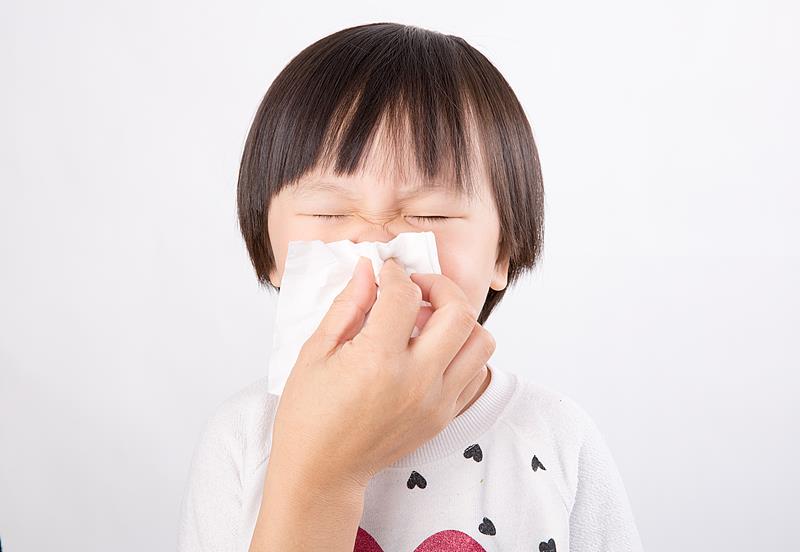
呼吸道合胞病毒(RSV)

Search documents
秋冬季呼吸道合胞病毒来袭,钟南山详解如何防治?
2 1 Shi Ji Jing Ji Bao Dao· 2025-12-10 05:33
Core Viewpoint - The article highlights the increasing threat of respiratory viruses, particularly Respiratory Syncytial Virus (RSV), which poses significant public health challenges in China, especially for infants and the elderly [1][2]. Group 1: RSV Infection and Impact - RSV infection rates are notably higher in the 0-4 age group, with hospitalization cases showing a positive rate of 22%-26% for acute lower respiratory infections [2]. - The economic burden of RSV in China is substantial, with annual costs for infants due to RSV-related acute lower respiratory infections reaching 7 billion yuan, and related hospitalization costs totaling 2.74 billion yuan [3]. - The severe risks associated with RSV include pneumonia and bronchiolitis in infants, as well as increased long-term asthma risks [2][3]. Group 2: Prevention and Control Strategies - There is currently no specific treatment for RSV, making prevention crucial. Innovative preventive measures, such as long-acting monoclonal antibody injections, are being implemented [3]. - A layered prevention strategy is recommended, particularly for vulnerable groups like infants under one year old, emphasizing timely vaccination before the RSV season [3]. - Non-pharmaceutical interventions, including personal protection and environmental sanitation, are essential for comprehensive virus control, especially in high-contact public areas [4]. Group 3: Collaborative Efforts and Technological Advancements - The prevention of respiratory viruses requires deep collaboration between clinical and research sectors, with AI and big data playing a critical role in enhancing the precision and timeliness of control measures [5]. - Rapid diagnostic technologies have evolved, allowing for quick RSV detection, which is vital for clinical decision-making and timely interventions [6]. - A multi-layered monitoring network has been established to facilitate proactive surveillance of RSV, with ongoing efforts to develop an RSV early warning system based on data modeling [6]. Group 4: Policy and Future Directions - Several regions in China are piloting preventive monoclonal antibody vaccinations, contributing to the nationwide standardization of RSV prevention [6]. - The "Healthy China 2030" strategy and the upcoming "14th Five-Year Plan" are expected to provide more policy, funding, and technical support for respiratory infectious disease control [6]. - A unified understanding and collaborative approach among healthcare professionals, researchers, and public health workers are essential for effective respiratory disease prevention [7].
北方个别地区RSV感染高峰提前到来
第一财经· 2025-11-11 03:30
Core Viewpoint - The article highlights the rising stock prices of flu vaccine concept stocks, particularly Jindike (688670.SH), due to an increase in flu activity in southern China and a warning about the respiratory syncytial virus (RSV) during the flu season [3][4]. Group 1: Flu and RSV Activity - The latest flu monitoring report indicates an increase in flu activity in southern provinces and most northern provinces during the 44th week of 2025 [3]. - RSV is also a concern, with a detection rate of 8.5% among severe acute respiratory infection cases, ranking second after rhinovirus [4][5]. - In Tianjin, RSV infections have peaked earlier this year compared to last year, with a notable increase in cases during the autumn and winter seasons [5][6]. Group 2: Infection Risks and Prevention - RSV poses a significant risk, especially for children under five, with the highest risk for those under one year old [6]. - The article emphasizes the importance of preventing severe RSV and flu infections to avoid complications such as pneumonia and meningitis [6][8]. - Recommendations for prevention include vaccination for children over six months against flu, and the use of RSV monoclonal antibodies for infants under one year [6][7]. Group 3: Public Health Recommendations - Non-pharmaceutical interventions are suggested, such as maintaining social distance, frequent handwashing, wearing masks, and improving ventilation [7]. - Adults are encouraged to adopt good hygiene practices to protect children from respiratory infections during the high-risk autumn and winter seasons [7][8].

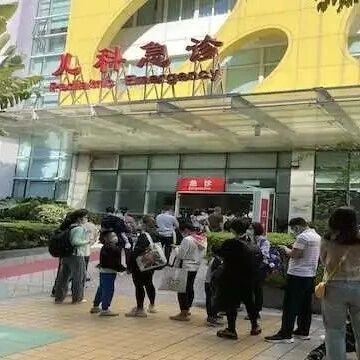
家长注意了 这种呼吸道病毒专盯小宝宝
Yang Shi Xin Wen· 2025-11-10 23:44
Core Insights - Respiratory Syncytial Virus (RSV) is a common respiratory virus and a leading cause of acute lower respiratory infections in children under 5 years old [1][4] - RSV spreads primarily through respiratory droplets and close contact, with increased transmission in crowded and poorly ventilated environments, especially during winter [3] - Symptoms of RSV infection resemble other respiratory illnesses and can lead to severe conditions like bronchiolitis or pneumonia in young children [4] Group 1: Understanding RSV - RSV is a major pathogen for acute lower respiratory infections in children under 5, with most children infected by age 2 [1] - Infection does not confer permanent immunity, leading to potential recurrent infections [1] Group 2: Symptoms and Risks - Symptoms include cough, nasal congestion, fever, and can develop into severe respiratory issues, particularly in infants [4] - RSV is a leading cause of hospitalization in infants, with long-term health risks such as impaired lung function and asthma [4] Group 3: Prevention Measures - Preventive measures include breastfeeding for at least 6 months, improving ventilation, avoiding crowded places, hand hygiene, and maintaining good sanitation practices [4][6] Group 4: Monoclonal Antibody Treatment - Currently, there is no vaccine for RSV in infants, but a monoclonal antibody has been approved in China to provide passive immunity [6] - The antibody works by binding to the RSV surface protein, preventing the virus from entering human cells [6] Group 5: Administration Guidelines - WHO recommends administering the RSV monoclonal antibody to infants born during the RSV season immediately after birth or at the start of the RSV season for those born before [7] Group 6: Appointment Information - In Beijing, RSV monoclonal antibody appointments can be made through specific health service applications [9][11] - A prescription from a pediatrician is required for the administration of the RSV monoclonal antibody [13]