
品控体系

Search documents
鲜百合误送成水仙球致祖孙中毒,盒马致歉
Zhong Guo Ji Jin Bao· 2026-01-28 11:44
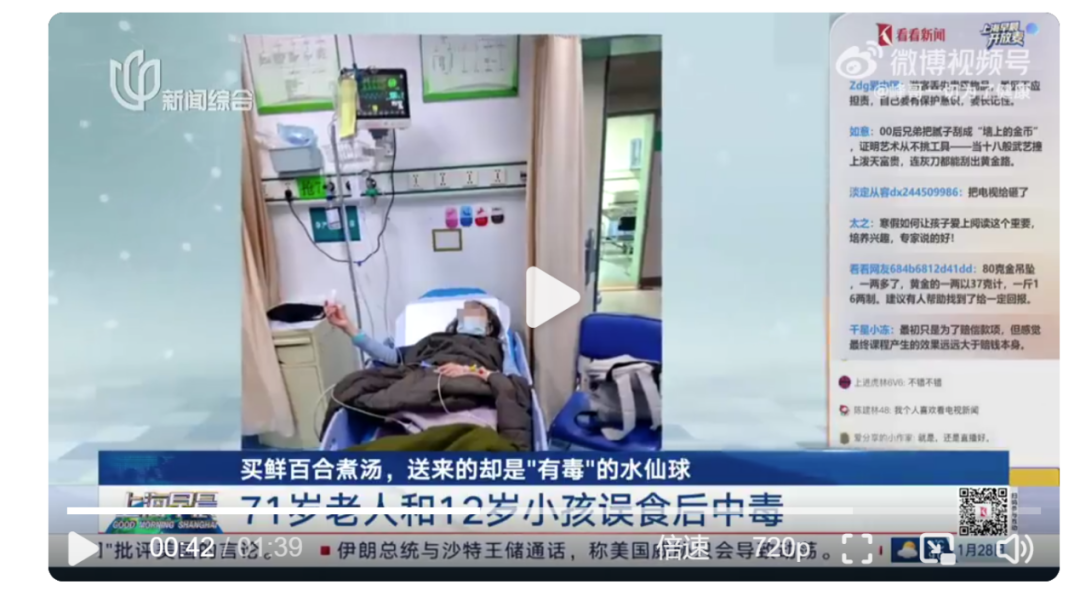
Core Viewpoint - The incident involving the delivery of toxic daffodil bulbs instead of edible lilies by Hema has raised significant public concern regarding the company's quality control measures and has led to health risks for customers [1][3]. Group 1: Incident Details - A customer in Beijing received toxic daffodil bulbs instead of fresh lilies, resulting in hospitalization for her 71-year-old mother and 12-year-old son after consumption [1]. - Hema proposed a compensation package of 70,000 yuan, which the customer rejected, citing it as insufficient for the health damages and risks incurred [1][3]. - Hema acknowledged the error was due to a mix-up during the picking process and has initiated a special team to follow up and rectify the situation [3]. Group 2: Toxicity Information - Daffodil bulbs contain various toxic alkaloids that can severely affect the digestive, nervous, and cardiovascular systems, with symptoms appearing within 15 minutes to an hour after ingestion [6]. - The toxicity of daffodil bulbs cannot be eliminated through cooking or soaking, making them extremely dangerous if consumed [6]. Group 3: Quality Control Issues - This incident is not isolated; Hema has faced previous quality control issues, including a 2025 incident involving antibiotic residues in eggs marketed as "antibiotic-free," which raised consumer trust concerns [7][8]. - The rapid expansion of Hema has outpaced its quality control capabilities, leading to increased risks in product safety and customer trust [8]. - The company must reassess the relationship between scale and quality to ensure sustainable development and improve its quality control systems [8].

人才赋能品质!夜郎古斩获 1 国评 7 省评,技术梯队再升级
Sou Hu Wang· 2025-11-28 08:57
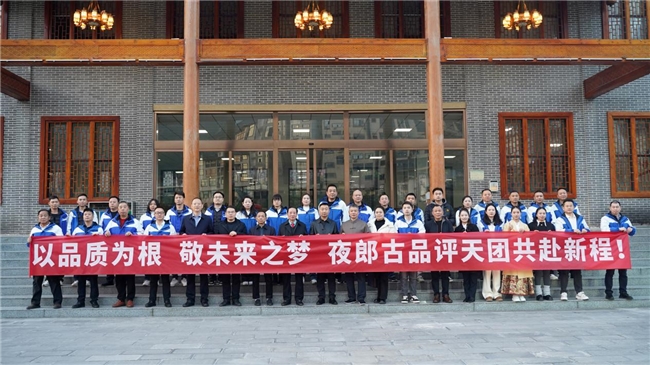
Core Insights - The appointment of Pan Chengjin as a national-level liquor tasting committee member and the addition of seven provincial-level members signifies a recognition of Yelanggu's technical strength and quality control system in the liquor industry [1][2][12] Group 1: Talent Development - Yelanggu has established a multi-tiered talent structure consisting of county-level, provincial-level, and national-level experts, enhancing its technical talent pool [2][4] - The inclusion of both seasoned professionals and emerging talents in the tasting committees reflects a robust and sustainable talent development strategy [4][8] Group 2: Quality Control System - Yelanggu's quality control system combines traditional craftsmanship with modern technology, ensuring a dual-layered quality assurance mechanism [9][11] - The integration of sensory evaluation by experienced tasters with advanced scientific testing methods enhances the reliability and stability of product quality [9][11] Group 3: Strategic Development - The recognition of technical talent aligns with Yelanggu's strategic upgrade, emphasizing a commitment to quality amidst evolving market dynamics [12][14] - Yelanggu is leveraging capital and resource advantages while maintaining its traditional brand characteristics and enhancing product competitiveness through technological innovation [14] Group 4: Product and Experience Enhancement - Yelanggu is developing a comprehensive product matrix that caters to diverse consumer needs and price points, supported by a solid technical foundation [15] - The ongoing upgrades to the Yelang Wine Valley tourism experience aim to provide consumers with immersive insights into traditional brewing techniques, enhancing both product and experiential value [15] Group 5: Industry Trends - The achievements of Yelanggu reflect a broader trend in the Guizhou liquor industry, where technical capabilities and talent development are becoming critical competitive advantages [17][18] - Traditional liquor enterprises are encouraged to balance heritage and innovation, technology and market demands, with a strong talent system as a foundation for sustainable development [18]
李书福:吉利不是资本运作企业,收购百年车企的目的是学习造车技术
news flash· 2025-05-28 05:37
Core Viewpoint - Geely Holdings Chairman Li Shufu emphasized that Geely is a manufacturing enterprise, not a capital operation company, and the purpose of acquiring century-old car companies is to learn automotive technology [1] Group 1: Strategic Focus - Geely's investment in acquiring multiple century-old automotive brands aims solely at learning automotive manufacturing techniques [1] - The company seeks to understand quality control systems, safety technologies, aerodynamics, standards, and their origins [1] - Geely intends to learn how to collaborate effectively with supply chain companies and improve after-sales service [1] Group 2: Talent and Brand Development - The company is focused on cultivating specialized talent within the automotive sector [1] - Geely aims to build a respected brand through its learning and development initiatives [1]
