商业利益与国家利益平衡

Search documents
一场围绕全球港口资产的交易风波,将李嘉诚与巴拿马再次推上风口浪尖。早在此前,李嘉诚旗下长和集团便有意将包括巴拿马运河两端在内的全球43个码头资产打包出售,接盘方是由美国资产管理巨头贝莱德牵头的财团。消息传出后,争议迅速升温。外界很快注意到,中方对此表达了明确反对态度,认为相关核心港口一...
Sou Hu Cai Jing· 2026-02-27 06:27
Group 1 - The core issue revolves around the potential sale of 43 global port assets, including key terminals at both ends of the Panama Canal, by Li Ka-shing's CK Hutchison Holdings to a consortium led by BlackRock, which has raised significant controversy due to geopolitical implications [1][2] - The Panama government forcibly took control of Balboa and Cristobal ports, which had been operated by CK Hutchison for nearly 30 years, leading to a significant shift in the ongoing transaction [1][3] - The deal, valued at $22.8 billion, was intended to divest CK Hutchison's non-China assets, but the unexpected government intervention has resulted in estimated direct losses exceeding $8.7 billion, impacting the company's market value and global port sale plans [3] Group 2 - BlackRock, managing $14 trillion in assets, has been expanding into infrastructure, with ports being critical nodes in global trade, which could enhance its influence over maritime routes if the deal proceeds [2] - The Panama Canal accounts for approximately 6% of global maritime trade, with Chinese shipping representing 21% of the traffic, raising concerns about the strategic implications of U.S. control over these ports [2] - The situation highlights the complexities of balancing commercial interests with national security, as the ownership of critical infrastructure increasingly intersects with geopolitical dynamics [3]


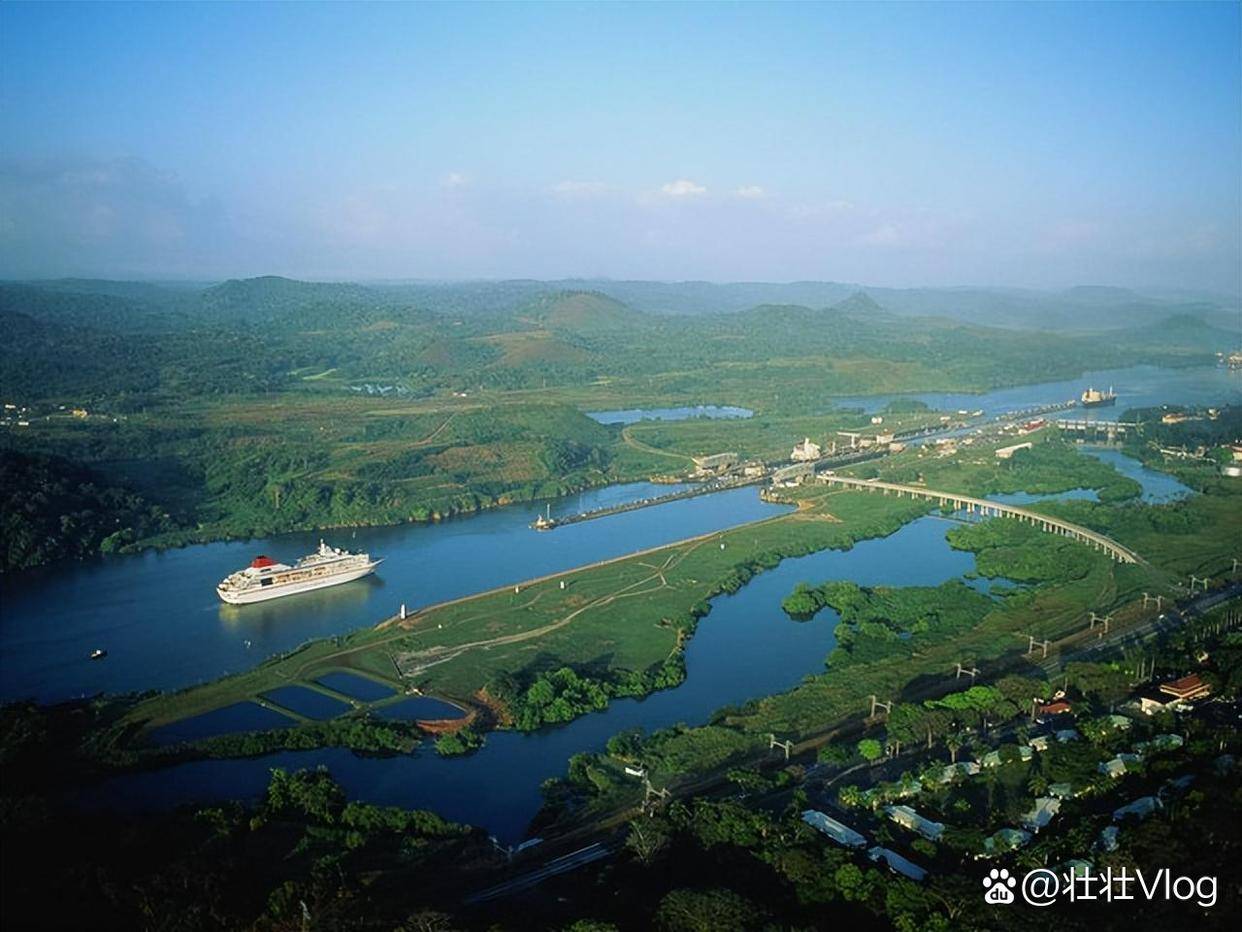
中方出手反将一军,李嘉诚180度大转弯,邀请中企入局收购港口
Sou Hu Cai Jing· 2025-07-31 11:15
Core Viewpoint - The planned sale of 43 ports, including the Panama Canal, by Li Ka-shing's CK Hutchison Holdings to BlackRock faced unexpected intervention from the Chinese government, highlighting the strategic importance of this transaction in the context of US-China relations [1][3]. Group 1: Transaction Dynamics - The transaction was initially set to be a straightforward acquisition but evolved into a significant geopolitical issue due to its implications for national interests [3][9]. - The Panama Canal is crucial for global trade, handling about 6% of maritime trade annually, with nearly 20% of China's foreign trade relying on this route [3][9]. - The Chinese government intervened, mandating that COSCO must participate in the deal, or it would be rejected outright [3][5]. Group 2: Strategic Adjustments - Following the intervention, CK Hutchison announced three key changes: the end of exclusive negotiations with BlackRock, an invitation for Chinese investors to participate, and the necessity for regulatory approval [3][5]. - COSCO is expected to acquire 30%-35% of the shares and hold veto power over critical operational matters [5]. Group 3: Implications for Li Ka-shing - This situation represents a significant turning point for Li Ka-shing, who must now navigate the balance between commercial interests and national priorities [7][11]. - The incident reflects a broader challenge faced by many multinational Chinese businesses, as they encounter political resistance in major transactions [7][11]. Group 4: US-China Relations - The transaction illustrates a new phase in US-China relations, where capital operations are used to control key infrastructure, while China employs market rules and regulatory power to counteract this [9][11]. - The potential for joint management of strategic ports by US and Chinese companies may emerge, mitigating risks of complete US control and preventing transaction failure [9]. Group 5: Lessons for Entrepreneurs - The event serves as a reminder for entrepreneurs that as business scales, it inevitably intersects with national interests [11]. - Successful entrepreneurs must find a balance between commercial value and social responsibility, recognizing the importance of national interests in their decision-making processes [11].