固态激光雷达技术

Search documents
激光雷达成本,降至100美金
半导体行业观察· 2026-02-15 01:37
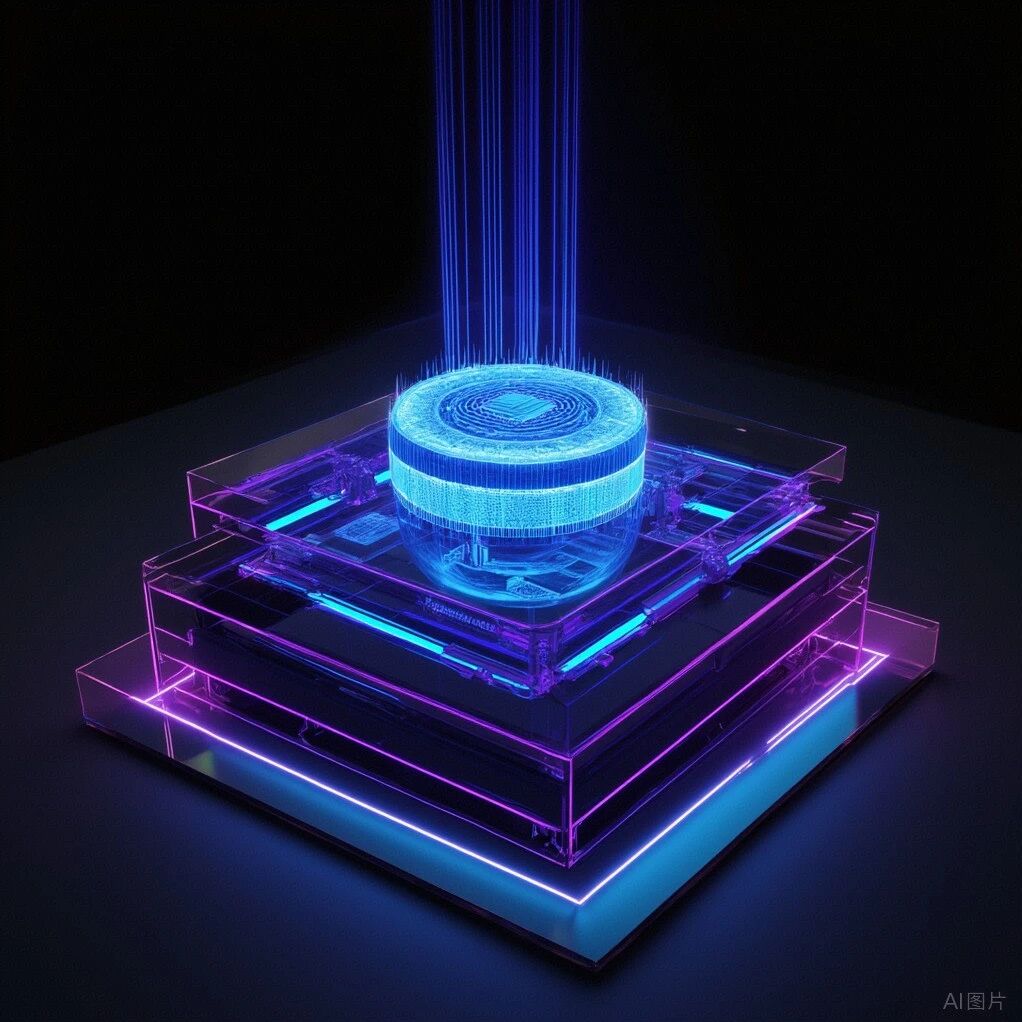
Core Viewpoint - MicroVision aims to reduce the production cost of its solid-state automotive lidar sensors to below $200, with a long-term goal of reaching $100, which would significantly broaden the application of lidar technology beyond high-end autonomous vehicles to advanced driver-assistance systems (ADAS) [2][3][4] Group 1: Cost Reduction and Market Impact - The current price of mechanical lidar systems ranges from $10,000 to $20,000, down from approximately $80,000, indicating a nearly tenfold decrease in costs [2][5] - The professor from Michigan State University suggests that further cost reductions of one to two orders of magnitude are feasible as demand shifts from fully autonomous vehicles to driver-assistance applications [5][6] - MicroVision's Movia S sensor features a fixed field of view of 180 degrees and can detect objects up to 200 meters away, which is less than the 300 meters typical of mechanical lidar [4][6] Group 2: Design and Integration Challenges - Solid-state lidar systems often have a smaller field of view compared to mechanical systems, necessitating the deployment of multiple sensors to achieve full coverage [5][6] - The integration of multiple sensors increases complexity, requiring precise alignment, calibration, and synchronization to ensure accurate data fusion [5][6] - MicroVision emphasizes that automotive manufacturers are designing complete perception systems rather than purchasing individual sensors, making overall system cost more critical than the cost of a single sensor [6][7] Group 3: Competitive Landscape and Industry Trends - Other companies, including Chinese firms and major suppliers like Luminar and Velodyne, are also targeting long-term cost goals below $500, but MicroVision's commitment to keeping prices below $200 is notable [7][8] - The cautious approach of some competitors reflects the structural challenge of achieving consumer-level pricing, which requires large and predictable demand to justify the necessary production investments [8] Group 4: Performance Evaluation and Future Considerations - There is a need for universally accepted metrics to evaluate the safety improvements provided by specific sensor configurations in ADAS and autonomous driving systems [9] - The focus is shifting from purely performance enhancements to economic benefits, with the potential for lidar prices to stabilize below $200 possibly altering the design decisions of automotive manufacturers [9][10] - If cost is no longer a primary objection, manufacturers must decide whether to forgo lidar based on technical or strategic considerations, which will significantly influence the integration of lidar into vehicle safety systems [9][10]


智感跃迁——机器人激光雷达在三维视觉革命中的技术进化与市场重构 头豹词条报告系列
Tou Bao Yan Jiu Yuan· 2026-01-21 12:24
Investment Rating - The report rates the robot lidar industry with a strong growth outlook, projecting a compound annual growth rate (CAGR) of 29.19% from 2020 to 2024 and 15.87% from 2025 to 2030, indicating robust market potential [4][57]. Core Insights - The robot lidar industry is characterized by technological intensity, cost reduction, and a shift from automotive dominance to a balanced market between automotive and robotics applications. The market size is expected to grow from 62.23 billion RMB in 2020 to 173.31 billion RMB in 2024, driven by the explosion of the robotics industry and domestic substitution [4][57]. - The industry is undergoing a cost revolution, with high-end product prices dropping from $5,000 in 2021 to 2,000-3,000 RMB by 2025, influenced by chip design, scale effects, and accelerated localization of the supply chain [20][61]. - The application scenarios for lidar are diversifying, with significant growth in both automotive and robotics sectors, particularly in service robots and autonomous vehicles [21][59]. Summary by Sections Industry Definition - Robot lidar serves as the core sensor for providing three-dimensional vision to robots, essential for high-precision, all-weather perception. The technology has evolved through mechanical rotation, semi-solid, and solid-state designs to enhance reliability and reduce costs [5]. Industry Characteristics - The robot lidar industry is a high-tech, research-driven sector with significant cost reductions reshaping market dynamics. The application scenarios are becoming increasingly diverse, with rapid growth in the robotics market [18]. Development History - The industry has evolved through three phases: initial experimentation (1960s-2000), industrialization and rapid growth (2001-2015), and large-scale application and maturity (2016-present) [23]. Industry Chain Analysis - The industry chain consists of upstream core components, midstream manufacturing and integration, and downstream application scenarios. The domestic substitution is progressing rapidly, with significant improvements in localization across all segments of the supply chain [28][29]. Market Size - The market size for robot lidar is projected to grow from 193.68 billion RMB in 2025 to 404.52 billion RMB by 2030, with a CAGR of 15.87%. The growth is attributed to the rapid expansion of the robotics industry and increasing penetration rates of lidar in various applications [57][61]. Competitive Landscape - The competitive landscape is characterized by a tiered structure, with leading companies like Hesai Technology and RoboSense dominating the market. The market concentration is expected to increase, with top firms capturing a significant share of the emerging robotics lidar market [75][80].

未岚大陆亮相CES 2026:以Navimow标准技术内核,创新突破行业瓶颈
Sou Hu Wang· 2026-01-08 02:59
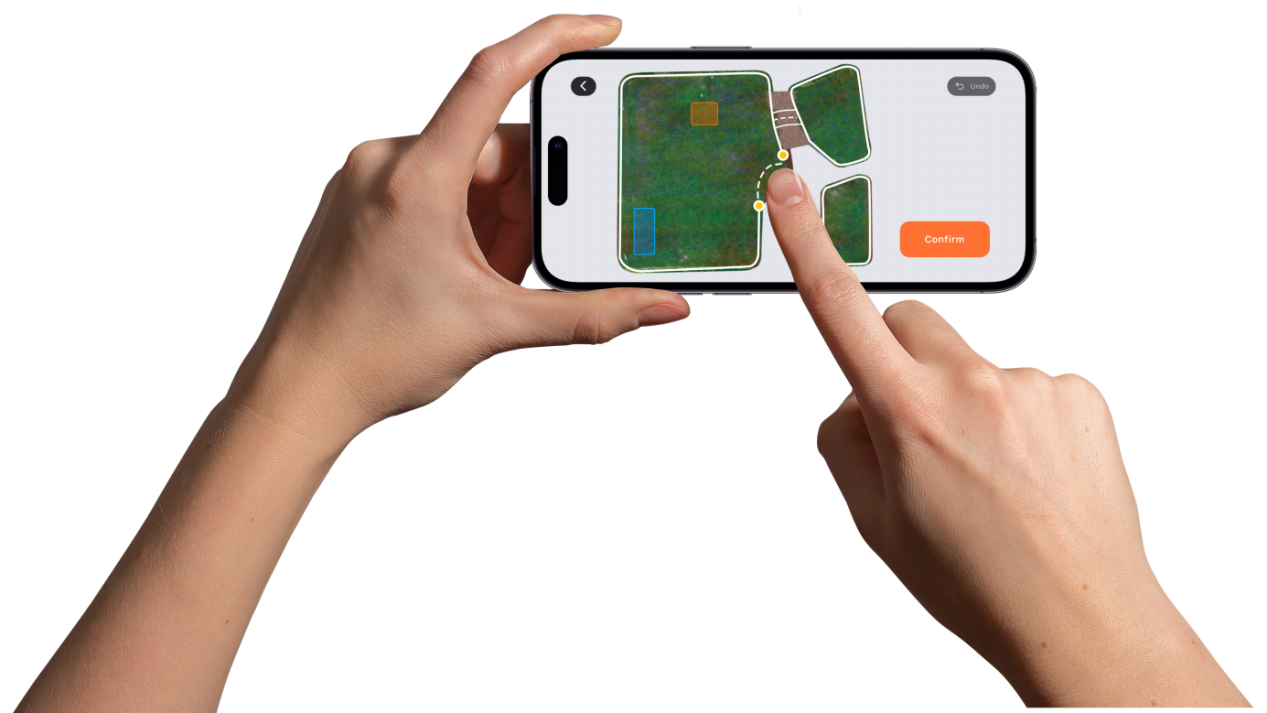
Core Insights - The 2026 International Consumer Electronics Show (CES 2026) showcased Navimow's new product matrix under the theme "Craft Every Yard With Navimow Standards," emphasizing the company's commitment to redefining industry experiences through standardized technology [1] Product Overview - Navimow introduced five new product lines, including the X4 flagship series for large, all-terrain yards, the H2 series designed for complex yards, the i2 AWD for small to medium areas, and the i2 LiDAR for easy navigation, along with the Terranox series for commercial applications, demonstrating comprehensive coverage from private gardens to professional commercial scenarios [1] - The product lineup reflects Navimow's ability to drive diverse product innovation through a standardized technological framework [1] Technological Innovations - The "Navimow Standards" are supported by two major technological breakthroughs: the "Drop and Mow" feature for extreme ease of use and the industry-leading "Xero-Turn™" system for high performance and lawn protection, overcoming traditional installation complexities and lawn damage issues [2][4] - The "Drop and Mow" feature eliminates the need for complex installation steps, allowing users to simply place the device and start mowing, significantly enhancing user experience [2] - The "Xero-Turn™" system enables precise maneuverability and stability in complex terrains, preventing damage to lawns during operation, and includes features like Electronic Stability Control (ESC) and Traction Control System (TCS) for enhanced safety and performance [4] Advanced Navigation Solutions - Navimow showcased its latest solid-state LiDAR technology, which provides high-precision navigation solutions for various scenarios [5] - The i2 LiDAR version offers nearly 200,000 points of scanning per second for centimeter-level mapping and stable navigation, ideal for residential backyards [6] - The H2 series features the advanced EFLS™ LiDAR⁺ system, combining LiDAR with visual perception and Network RTK positioning, utilizing AI algorithms for real-time data processing, enhancing reliability in extreme environments [6] Strategic Framework - The "Navimow Standards" represent a systematic strategic framework aimed at addressing long-standing barriers in user experience and application limits within the industry, transforming lawn care into an intelligent service that autonomously achieves perfect results [6] - By establishing a closed-loop system from residential to commercial applications, Navimow is pushing the industry from mere functional iterations to a new phase of standard redefinition, providing clear product choices for consumers and fostering a healthy ecosystem for industry development [6]
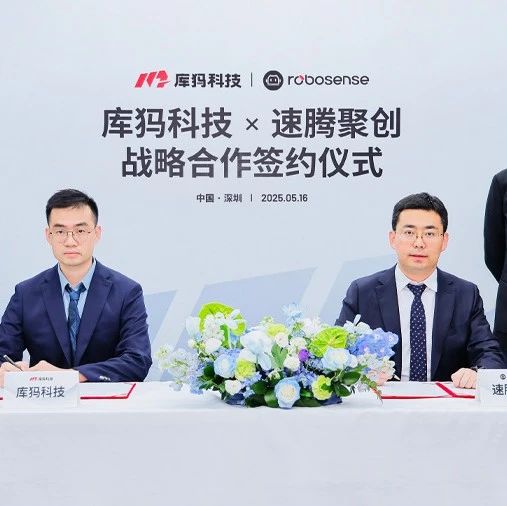
速腾聚创与库犸科技达成首批120万台战略合作:创割草机器人行业记录
IPO早知道· 2025-05-20 10:44
Core Viewpoint - RoboSense and Mammotion have established a strategic partnership to develop high-end smart lawn mowers based on automotive-grade solid-state LiDAR technology, with an initial order of 1.2 million units over three years [2][5]. Group 1: Partnership Details - The collaboration will produce the industry's first high-end lawn mower equipped with solid-state LiDAR technology, specifically the Mammotion LUBA mini AWD LiDAR, which is set to launch in April 2025 [2]. - The customized solid-state LiDAR features a 120°×90° ultra-wide field of view, 144 lines of high resolution, and a detection capability of 260,000 points per second, significantly enhancing navigation accuracy and environmental adaptability [2][4]. Group 2: Product Features - The solid-state LiDAR employs a non-rotating motor structure and a flat output window, reducing collision risks and improving integration within the mower's body [4]. - It has passed over 60 reliability tests, operates in temperatures from -40°C to +85°C, and can withstand 50 times the force of gravity, enhancing stability on rugged terrain [4]. - The LiDAR system has an IP67 and IP6K9K protection rating, making it suitable for harsh outdoor conditions, with an expected outdoor lifespan of 8 years [4]. Group 3: Market Context - Mammotion has established a strategic presence in major global markets, serving over 100,000 households across more than 30 countries, with its YUKA mini and LUBA 2 AWD series topping sales charts in the U.S., Germany, and France [5]. - The global lawn mower market is projected to exceed $1.5 billion in 2024 and reach $3.9 billion by 2029, with a compound annual growth rate of 21% [6]. - The partnership aims to address industry pain points related to complex terrain recognition and reliable operation in various conditions, thereby accelerating the adoption of smart lawn care solutions [5][6].