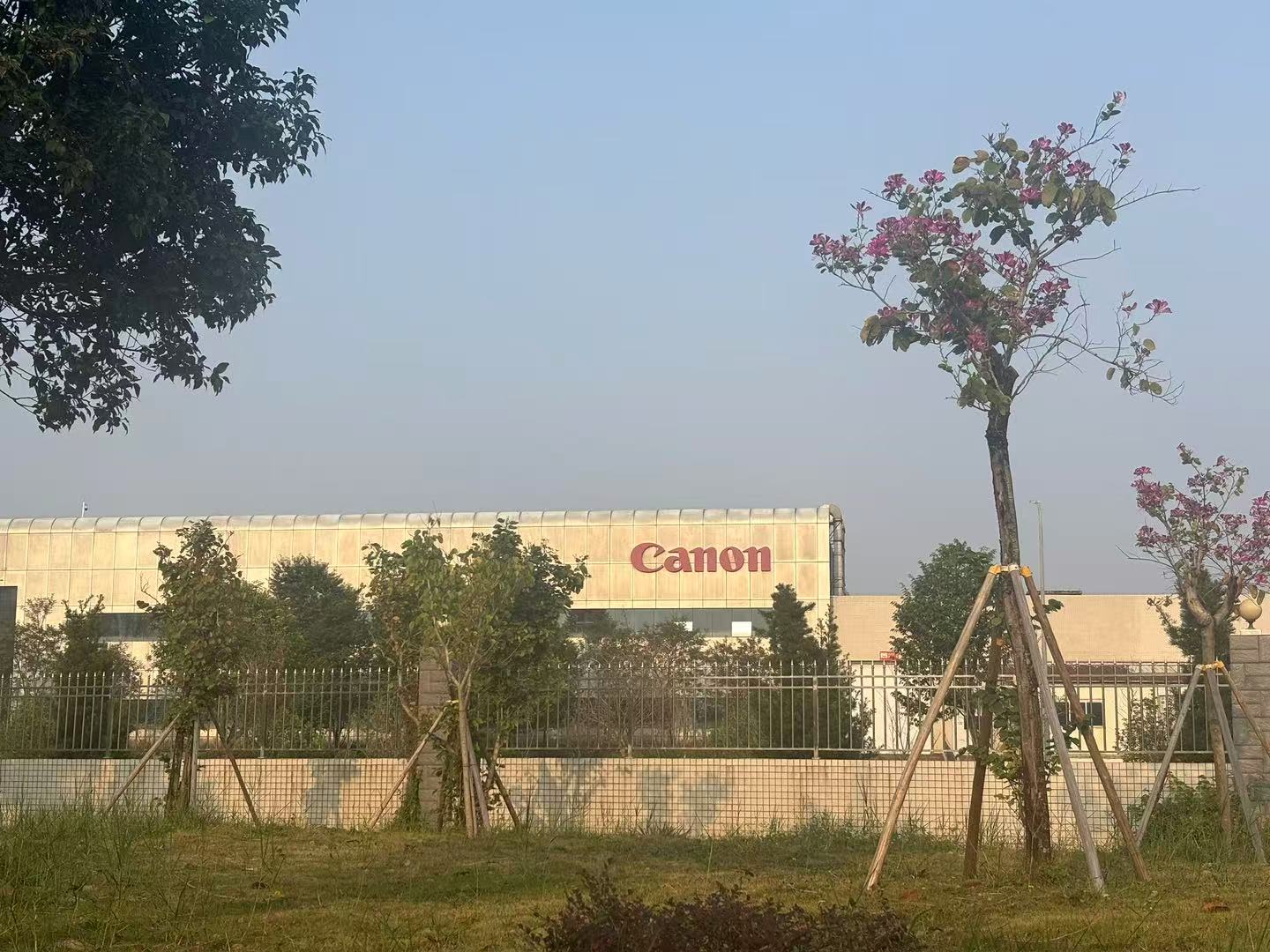
国产打印机崛起

Search documents
国产打印机用近二十年突破垄断
Di Yi Cai Jing· 2025-12-15 10:09
Core Insights - Canon's decision to close its printer factory in Zhongshan, China by the end of 2025 marks a significant shift in the global laser printer market, dominated for decades by Japanese and American brands like Canon and HP [2] - The market landscape is changing, with domestic brands increasing their market share from approximately 10% in 2010 to over 40% today, while foreign brands have seen their share drop below 60% [2][10] - Canon's market share has decreased from 7.7% in 2018 to 3.9% in the first three quarters of 2025, while domestic brand BenQ has captured significant market shares of 23.5%, 25.8%, and 21.3% in the same period [2] Domestic Brand Growth - BenQ's entry into the printer market was driven by long-term commercial prospects and national strategic needs, particularly concerning supply chain and information security risks [3] - The company initially focused on consumables but soon recognized the limitations and shifted towards printer manufacturing, launching its first A4 monochrome laser printer in 2010 [4] - Despite facing aggressive pricing strategies from competitors, BenQ managed to grow its output from 53,000 units in May 2011 to over one million units by 2019, achieving an average annual growth rate of about 50% [4] Technological Advancements - BenQ has made significant strides in developing core components such as the laser scanning unit (LSU) and main control SoC chips, achieving independent research and development of these critical modules by 2018 [6][7] - The company has accumulated over 6,000 patents, establishing a technological moat that supports its competitive position in the market [7] - Lenovo has also transitioned from imitation to independent innovation, increasing its self-developed printer revenue share from less than 10% to 50% [7] Market Dynamics - The printer industry's business model relies on a "razor-and-blades" strategy, where original consumables generate ongoing revenue, with hardware sales often only breaking even [8] - Despite a decline in overall printer sales from 10 million units in 2000 to about 7 million units recently, domestic brands have continued to expand their market presence [9] - The shift in the global industrial landscape is evident as foreign brands relocate some production capacity, allowing domestic brands to take the lead in the supply chain [10] Competitive Landscape - Domestic brands are gaining market share due to lower prices (20%-30% cheaper than foreign brands) and features tailored to local needs, such as remote printing and Bluetooth/NFC connectivity [12] - The penetration rate of home printers in China is only about 10%, indicating significant growth potential as demand for home and small business printing continues to rise [14] - The competitive environment is intensifying, with profit margins shrinking and companies investing heavily in research and development to innovate and meet market demands [14] Future Outlook - Domestic brands are expected to focus on high-end products, AI ecosystems, and international expansion, particularly in Southeast Asia [13] - The industry is entering a phase of stock or even declining competition, with foreign giants like HP and Canon facing challenges [15] - The rise of Chinese printer brands is attributed to continuous innovation in core technologies, establishing independent intellectual property, and enhancing supply chain security [15]


国产打印机用近二十年突破垄断
第一财经· 2025-12-15 09:45
Core Viewpoint - The closure of Canon's printer factory in Zhongshan, China, symbolizes a significant shift in the global laser printer market, where domestic brands are rapidly gaining market share at the expense of foreign brands like Canon and HP [3][12]. Market Dynamics - Canon's market share in China has decreased from 7.7% in 2018 to 3.9% in the first three quarters of 2025, while domestic brand BenQ's market share has increased to 23.5% [3][12]. - The share of domestic brands in the Chinese laser printer market has risen from approximately 10% in 2010 to over 40% currently, while foreign brands' share has fallen below 60% [3][12]. Competitive Landscape - BenQ's entry into the printer market was driven by long-term commercial prospects and national strategic needs, particularly concerning supply chain and information security risks [4][12]. - The company faced significant challenges from foreign competitors who quickly reduced prices in response to BenQ's market entry, leading to initial losses [5][12]. Technological Advancements - BenQ has developed over 6,000 patents, establishing a technological moat, and has successfully localized critical components such as the laser scanning unit and main control SoC chip [7][8]. - Lenovo has also transitioned from imitation to independent innovation, increasing the revenue share of self-developed printers from less than 10% to 50% [8][9]. Cost and Pricing Strategy - The "razor-and-blades" business model in the printer industry relies on original consumables for sustained revenue, with domestic brands offering lower-priced alternatives to foreign brands [9][10]. - The cost of consumables has significantly decreased, with Lenovo's toner cartridges priced around 100 yuan compared to over 300 yuan for foreign brands, reducing the cost per A4 page from 0.2-0.3 yuan to 0.07-0.08 yuan [9][10]. Market Growth and Trends - Despite a decline in overall printer sales from 10 million units in 2000 to 7 million units recently, domestic brands have continued to expand their market presence [10][12]. - The penetration rate of home printers in China is only about 10%, indicating significant growth potential as demand for educational and office printing increases [15][16]. Future Outlook - Domestic brands are expected to move towards high-end markets, build AI ecosystems, and accelerate international expansion, particularly in Southeast Asia [14][16]. - The competitive landscape is becoming increasingly challenging, with profit margins under pressure and the industry entering a low-profit era [15][16].

中山佳能工厂员工:这一天还是来了,赔偿没有网传夸张
3 6 Ke· 2025-12-09 02:16
Core Viewpoint - Canon's laser printer factory in Zhongshan, Guangdong, officially ceased operations due to ongoing operational difficulties, affecting over a thousand employees who are now awaiting compensation plans [1][4]. Company Summary - Canon (Zhongshan) Office Equipment Co., Ltd. has been a major industrial enterprise in Zhongshan since its establishment in 2001, with a cumulative industrial output value of nearly 50 billion yuan and tax contributions of approximately 2.3 billion yuan from 2010 to 2020 [4][11]. - The factory's production peaked in 2022 with over 110 million units, making it a core production base for Canon in China [6]. - The factory's operational decline was marked by a significant drop in annual orders from several hundred thousand units to only a few thousand units in recent years, leading to a reduction in workforce from around 6,000 to just over 1,000 employees [7][10]. Employee Compensation and Transition - Employees are reportedly receiving compensation packages that exceed the legal standard, with some receiving around 400,000 yuan, which includes various forms of economic support [4][9]. - Canon has committed to considering employee interests in accordance with local laws and regulations, and is working with local government and labor organizations to facilitate reemployment opportunities [9]. Industry Context - The closure of Canon's factory reflects a broader decline in the laser printer market, with IDC forecasting a 5% decrease in A4 laser printer shipments and a 10% decrease in A3 shipments in China by mid-2025 [10]. - The rise of domestic printer brands and government procurement policies favoring local products have intensified competition for Canon, which has seen its market share in China drop from 16% in 2010 to an expected 42% in 2024 for domestic brands [10]. - Canon's production model in Zhongshan primarily focused on OEM manufacturing, which has resulted in lower profit margins and a reliance on order volume and cost control [10][11]. Strategic Shift - As labor and production costs in the Pearl River Delta region have increased, Canon has shifted its production capacity to Southeast Asia, while focusing on higher-end industries in China, such as smart home appliances and new energy technologies [11]. - Canon's remaining production facilities in China continue to operate normally, with the company aiming to strengthen its market presence and achieve its goal of becoming the number one company in the Canon Group by 2035 [11].