激光打印机

Search documents
证券公司支持科技型企业合理开展跨境并购研究
GUOTAI HAITONG SECURITIES· 2026-02-24 15:05
Group 1: Challenges in Cross-Border Mergers and Acquisitions - Chinese technology companies face declining institutional predictability and rising compliance risks in cross-border M&A due to geopolitical tensions and tightening regulations[4] - In 2024, the number of cross-border M&A transactions by domestic companies dropped to 73, representing only 27% of Japan's, 5% of the US's, and 2% of Europe's transaction volumes[8] - The complexity of transaction structures and tightening financing channels pose significant operational challenges for cross-border M&A[19] Group 2: Role of Securities Firms - Securities firms are transitioning from traditional "transaction facilitators" to "full-cycle enablers" in supporting technology companies' cross-border M&A efforts[11] - A proposed "five-dimensional empowerment system" includes risk identification, value assessment, structural design, integration support, and compliance assurance[22] - Securities firms should establish a comprehensive compliance support system covering pre-, during, and post-transaction phases to navigate the increasingly stringent multi-jurisdictional compliance environment[34] Group 3: Risk Management and Value Assessment - The need for a systematic risk identification framework is critical, especially in high-sensitivity sectors like AI and semiconductors, to mitigate geopolitical risks[23] - A specialized technical due diligence and intangible asset valuation system is essential for accurately assessing the value of technology companies[26] - The design of transaction structures must incorporate diverse funding support plans and flexible financing arrangements to enhance feasibility under regulatory constraints[27]
出海2035:接下来是最有希望的十年,可能也是最难的十年 || 大视野
Sou Hu Cai Jing· 2026-02-16 00:45
Core Insights - The article emphasizes the importance of understanding the impact of national security and geopolitical factors on Chinese companies' overseas expansion, which may exceed the companies' capabilities to address [3][4][10]. Group 1: Future Predictions for Chinese Companies Going Abroad - Chinese companies are expected to succeed in localizing products and services, creating consumer welfare in host countries, and some have already reached the stage of creating globally competitive products [5]. - Compliance with local laws and regulations, as well as building good relationships with stakeholders, will also lead to positive outcomes for Chinese companies [5][6]. - The article highlights the need for deep localization and community engagement, as demonstrated by Zijin Mining's proactive approach in Serbia and China Minmetals' efforts in Peru [6][9]. Group 2: Challenges from Geopolitical Factors - Geopolitical issues and national security concerns pose significant challenges for Chinese companies, especially in sensitive markets, which could threaten their operational existence [10][11]. - Companies may seek assistance from government institutions and industry associations when facing geopolitical pressures, but it is difficult for a single company to withstand national and international pressures alone [11][12]. Group 3: Structural Changes in International Business Environment - The article discusses the structural changes in the international business environment, where national security and geopolitical factors have become a standard consideration for many countries, leading to increased intervention in markets [28][29]. - The U.S. and EU have adopted policies that prioritize economic security, viewing China as a significant threat, which has resulted in a shift towards protectionism and increased regulatory scrutiny [29][30][31]. Group 4: Recommendations for Chinese Companies - Companies are advised to enhance their awareness of controllability, especially in mergers and acquisitions, and to consider alternative strategies such as technology or service collaborations to mitigate risks [40][41]. - There is a strong emphasis on compliance with local laws and understanding local cultures to avoid conflicts and ensure sustainable operations [42][43]. - A dynamic balance between exports and overseas expansion is crucial, leveraging China's advantages while responding to global changes [43][44]. Group 5: National-Level Strategies - The article suggests that the government should integrate overseas expansion into national development strategies, fostering communication with companies to create a comprehensive roadmap for internationalization [45]. - It is essential to recognize the disruptive impact of national security and geopolitical factors and to deploy systematic support measures for companies venturing abroad [46].

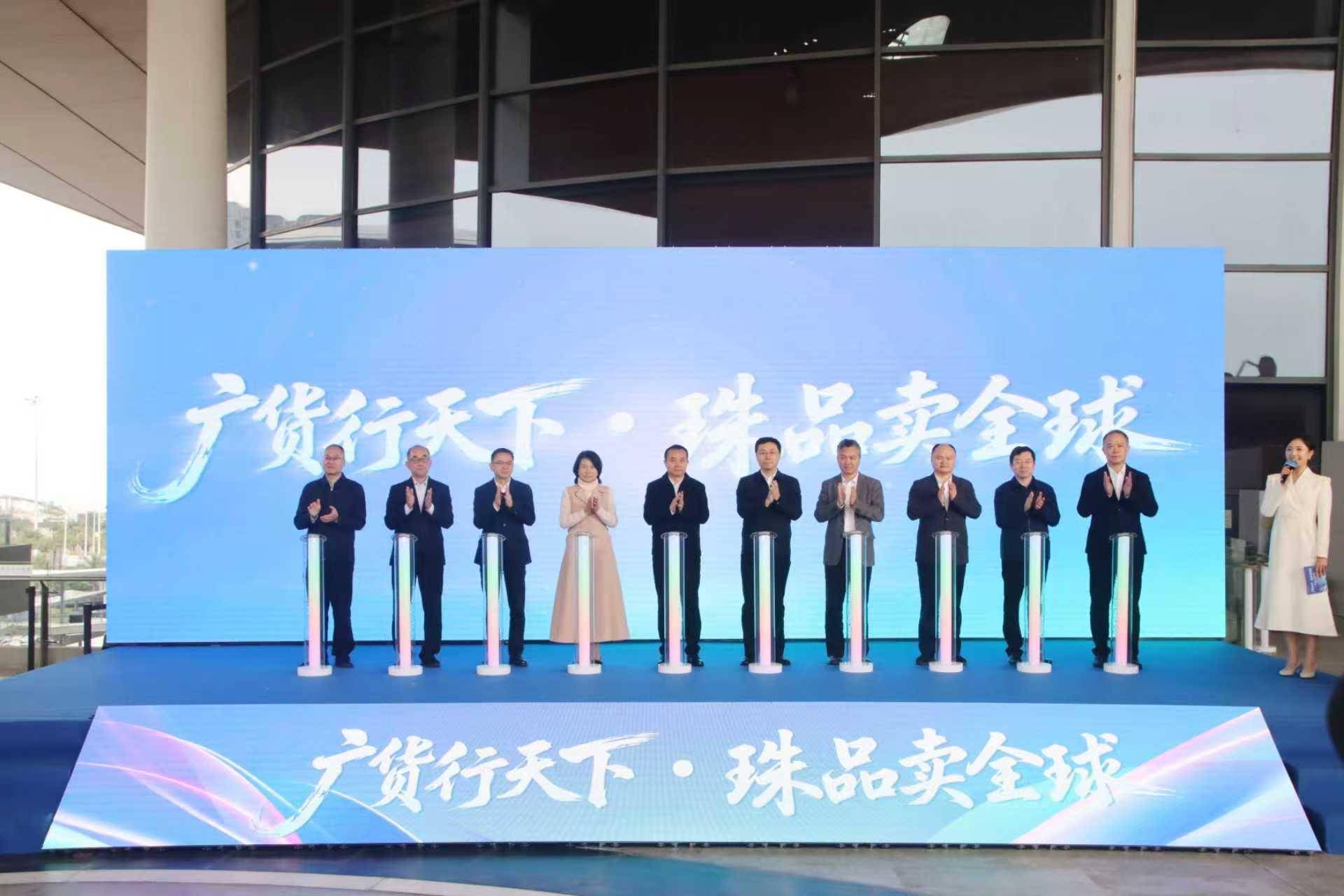
董明珠站台!港珠澳大桥上演“广货出海”直播热
Sou Hu Cai Jing· 2026-02-09 09:45
Core Viewpoint - The "Zhuhai Intelligent Manufacturing (Hong Kong-Zhuhai-Macao Bridge Special Session)" event aims to leverage the bridge's connectivity to promote Zhuhai and Guangdong's quality products to global markets, enhancing cross-border e-commerce opportunities [2][3]. Group 1: Event Overview - The event featured live streaming and an exhibition area showcasing Zhuhai's intelligent manufacturing products alongside Hong Kong and Macao quality goods, facilitating easier access to international markets [2][5]. - Gree Electric's chairman promoted their smart home appliances during the live broadcast, attracting significant online engagement [3][5]. Group 2: Product Showcase - The exhibition displayed a variety of products, including air purifiers, laser printers, Hi-Fi audio systems, and health foods, appealing to attendees from Hong Kong and Macao [5][7]. - A notable product highlighted was a pet product that offers competitive pricing domestically while having a premium in overseas markets, exemplifying the potential of Chinese goods abroad [8]. Group 3: Cross-Border E-commerce Development - The Huafa Hengqin Cross-Border E-commerce Industrial Park has nearly 200 enterprises, including 27 listed companies, with e-commerce-related firms making up about 70% of the total [8]. - The park aims to support businesses in navigating international regulations and enhancing their export capabilities through shared resources and training [8]. Group 4: Economic Impact and Projections - By 2025, the import and export value through the bridge is projected to exceed 325.84 billion yuan, marking a 40.1% increase year-on-year, with cross-border e-commerce exports expected to reach 110.98 billion yuan, a 92.5% increase [11][12]. - The bridge has significantly improved logistics efficiency, with measures in place to streamline customs processes, enhancing the overall trade environment [12]. Group 5: Future Initiatives - Zhuhai plans to host numerous offline matchmaking events and continuous online promotional activities to further facilitate the global reach of its products [12].

珠海智造“借桥出海”卖全球
Zhong Guo Xin Wen Wang· 2026-02-08 13:11
Core Viewpoint - The "Guanghuo Goes Global: Zhuhai Products Sell Worldwide" event aims to showcase Zhuhai's manufacturing capabilities and promote local products through live streaming and exhibitions, leveraging the traffic from the Hong Kong-Zhuhai-Macao Bridge to enhance market reach and sales. Group 1: Event Overview - The event features a live streaming area and a showcase for innovative products, highlighting Zhuhai's industrial strength and the appeal of Hong Kong and Macao brands [2]. - Gree Electric Appliances' chairman, Dong Mingzhu, promoted smart home appliances during the live stream, attracting significant viewer engagement [2]. Group 2: Economic Impact - The Hong Kong-Zhuhai-Macao Bridge has significantly reduced logistics time between Hong Kong, Macao, and mainland China, facilitating product exports and sales [5]. - By 2025, the import and export value through the Zhuhai port of the bridge is projected to exceed 300 billion RMB, reaching 325.84 billion RMB, a 40.1% increase year-on-year [5]. - The port is expected to become China's second-largest cross-border e-commerce retail export port, with an export value of 110.98 billion RMB in 2025, a staggering 92.5% increase [5]. - Since the bridge's opening in October 2018, the cumulative import and export value through the port is expected to surpass 1.3 trillion RMB by the end of 2025 [5].

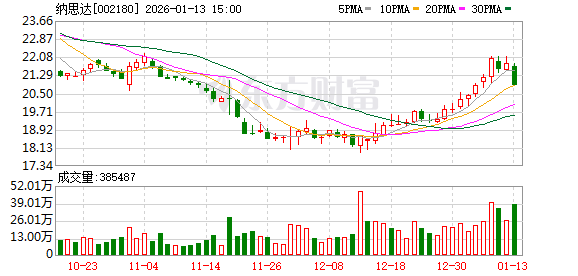
纳思达:旗下奔图品牌具备激光打印机全产业链自主能力
Zheng Quan Ri Bao· 2026-01-13 12:13
Core Viewpoint - Nasda emphasizes its capability in the laser printer industry, highlighting its full supply chain autonomy and commitment to enhancing core technology and market share [2] Group 1: Company Capabilities - The company has full supply chain autonomy for its Pantum brand laser printers, which allows for cost-effective large-scale production [2] - It actively collaborates with upstream and downstream ecosystem partners to maintain the core competitiveness of its printer products [2] Group 2: Market Strategy - The company aims to continue expanding its market share by providing safe and high-quality printing solutions to users [2]

国产打印机用近二十年突破垄断
Di Yi Cai Jing· 2025-12-15 10:09
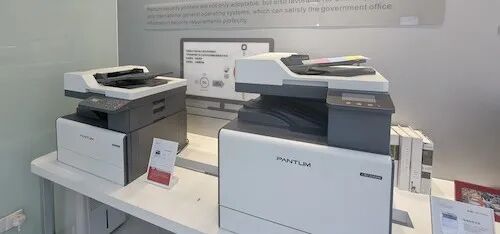
Core Insights - Canon's decision to close its printer factory in Zhongshan, China by the end of 2025 marks a significant shift in the global laser printer market, dominated for decades by Japanese and American brands like Canon and HP [2] - The market landscape is changing, with domestic brands increasing their market share from approximately 10% in 2010 to over 40% today, while foreign brands have seen their share drop below 60% [2][10] - Canon's market share has decreased from 7.7% in 2018 to 3.9% in the first three quarters of 2025, while domestic brand BenQ has captured significant market shares of 23.5%, 25.8%, and 21.3% in the same period [2] Domestic Brand Growth - BenQ's entry into the printer market was driven by long-term commercial prospects and national strategic needs, particularly concerning supply chain and information security risks [3] - The company initially focused on consumables but soon recognized the limitations and shifted towards printer manufacturing, launching its first A4 monochrome laser printer in 2010 [4] - Despite facing aggressive pricing strategies from competitors, BenQ managed to grow its output from 53,000 units in May 2011 to over one million units by 2019, achieving an average annual growth rate of about 50% [4] Technological Advancements - BenQ has made significant strides in developing core components such as the laser scanning unit (LSU) and main control SoC chips, achieving independent research and development of these critical modules by 2018 [6][7] - The company has accumulated over 6,000 patents, establishing a technological moat that supports its competitive position in the market [7] - Lenovo has also transitioned from imitation to independent innovation, increasing its self-developed printer revenue share from less than 10% to 50% [7] Market Dynamics - The printer industry's business model relies on a "razor-and-blades" strategy, where original consumables generate ongoing revenue, with hardware sales often only breaking even [8] - Despite a decline in overall printer sales from 10 million units in 2000 to about 7 million units recently, domestic brands have continued to expand their market presence [9] - The shift in the global industrial landscape is evident as foreign brands relocate some production capacity, allowing domestic brands to take the lead in the supply chain [10] Competitive Landscape - Domestic brands are gaining market share due to lower prices (20%-30% cheaper than foreign brands) and features tailored to local needs, such as remote printing and Bluetooth/NFC connectivity [12] - The penetration rate of home printers in China is only about 10%, indicating significant growth potential as demand for home and small business printing continues to rise [14] - The competitive environment is intensifying, with profit margins shrinking and companies investing heavily in research and development to innovate and meet market demands [14] Future Outlook - Domestic brands are expected to focus on high-end products, AI ecosystems, and international expansion, particularly in Southeast Asia [13] - The industry is entering a phase of stock or even declining competition, with foreign giants like HP and Canon facing challenges [15] - The rise of Chinese printer brands is attributed to continuous innovation in core technologies, establishing independent intellectual property, and enhancing supply chain security [15]

国产打印机用近二十年突破垄断
第一财经· 2025-12-15 09:45
Core Viewpoint - The closure of Canon's printer factory in Zhongshan, China, symbolizes a significant shift in the global laser printer market, where domestic brands are rapidly gaining market share at the expense of foreign brands like Canon and HP [3][12]. Market Dynamics - Canon's market share in China has decreased from 7.7% in 2018 to 3.9% in the first three quarters of 2025, while domestic brand BenQ's market share has increased to 23.5% [3][12]. - The share of domestic brands in the Chinese laser printer market has risen from approximately 10% in 2010 to over 40% currently, while foreign brands' share has fallen below 60% [3][12]. Competitive Landscape - BenQ's entry into the printer market was driven by long-term commercial prospects and national strategic needs, particularly concerning supply chain and information security risks [4][12]. - The company faced significant challenges from foreign competitors who quickly reduced prices in response to BenQ's market entry, leading to initial losses [5][12]. Technological Advancements - BenQ has developed over 6,000 patents, establishing a technological moat, and has successfully localized critical components such as the laser scanning unit and main control SoC chip [7][8]. - Lenovo has also transitioned from imitation to independent innovation, increasing the revenue share of self-developed printers from less than 10% to 50% [8][9]. Cost and Pricing Strategy - The "razor-and-blades" business model in the printer industry relies on original consumables for sustained revenue, with domestic brands offering lower-priced alternatives to foreign brands [9][10]. - The cost of consumables has significantly decreased, with Lenovo's toner cartridges priced around 100 yuan compared to over 300 yuan for foreign brands, reducing the cost per A4 page from 0.2-0.3 yuan to 0.07-0.08 yuan [9][10]. Market Growth and Trends - Despite a decline in overall printer sales from 10 million units in 2000 to 7 million units recently, domestic brands have continued to expand their market presence [10][12]. - The penetration rate of home printers in China is only about 10%, indicating significant growth potential as demand for educational and office printing increases [15][16]. Future Outlook - Domestic brands are expected to move towards high-end markets, build AI ecosystems, and accelerate international expansion, particularly in Southeast Asia [14][16]. - The competitive landscape is becoming increasingly challenging, with profit margins under pressure and the industry entering a low-profit era [15][16].
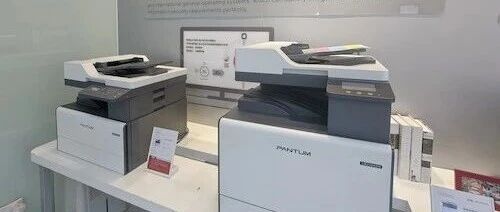
打印机十年攻防战:奔图联想突破垄断,佳能惠普退守
Di Yi Cai Jing· 2025-12-15 07:07
Core Insights - The rise of Chinese printer brands is not merely a result of low pricing or market exchange for technology, but rather a complex evolution involving core technology innovation and the establishment of independent intellectual property rights [16] Market Dynamics - Canon's decision to close its printer factory in Zhongshan, China by the end of 2025 symbolizes a significant shift in the global laser printer market, which has been historically dominated by Japanese and American brands like Canon and HP [2] - According to IDC, the market share of domestic brands in China's laser printer market has increased from approximately 10% in 2010 to over 40% today, while foreign brands' share has decreased to below 60% [2] - Canon's market share has declined from 7.7% in 2018 to 3.9% in the first three quarters of 2025, while domestic brand BenQ's market share has fluctuated between 21.3% and 25.8% during the same period [2] Competitive Landscape - The competition in the printer market has intensified, with domestic brands like BenQ and Lenovo gaining ground by focusing on supply chain security and addressing information security risks associated with networked printers [4][9] - BenQ has developed over 6,000 patents, creating a technological moat that supports its competitive position [8] Innovation and Development - BenQ's entry into the printer market in 2007 was driven by the long-term commercial prospects of printers and national strategic needs, leading to significant investments in R&D and supply chain development [4][5] - The company achieved a breakthrough in core components like the laser scanning unit (LSU) and SoC chips, enabling it to produce competitive products domestically [7] Pricing and Cost Structure - The pricing strategy of domestic brands is significantly lower than that of foreign brands, with original consumables from US brands priced around 300 RMB, while similar products from Lenovo are priced at approximately 100 RMB [10] - The cost of printing has decreased from 0.2-0.3 RMB per A4 page to 0.07-0.08 RMB due to the integration of supply chain and technological innovations [10] Future Outlook - The domestic printer market is expected to continue growing, with a current household penetration rate of only 10%, compared to 30%-40% in Western countries [15] - Domestic brands are focusing on high-end markets, AI ecosystems, and international expansion, particularly in Southeast Asia, to navigate patent barriers and enhance their market presence [13][16]

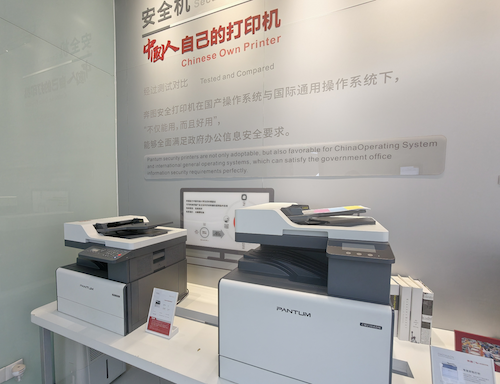
中山佳能工厂员工:这一天还是来了,赔偿没有网传夸张
3 6 Ke· 2025-12-09 02:16
Core Viewpoint - Canon's laser printer factory in Zhongshan, Guangdong, officially ceased operations due to ongoing operational difficulties, affecting over a thousand employees who are now awaiting compensation plans [1][4]. Company Summary - Canon (Zhongshan) Office Equipment Co., Ltd. has been a major industrial enterprise in Zhongshan since its establishment in 2001, with a cumulative industrial output value of nearly 50 billion yuan and tax contributions of approximately 2.3 billion yuan from 2010 to 2020 [4][11]. - The factory's production peaked in 2022 with over 110 million units, making it a core production base for Canon in China [6]. - The factory's operational decline was marked by a significant drop in annual orders from several hundred thousand units to only a few thousand units in recent years, leading to a reduction in workforce from around 6,000 to just over 1,000 employees [7][10]. Employee Compensation and Transition - Employees are reportedly receiving compensation packages that exceed the legal standard, with some receiving around 400,000 yuan, which includes various forms of economic support [4][9]. - Canon has committed to considering employee interests in accordance with local laws and regulations, and is working with local government and labor organizations to facilitate reemployment opportunities [9]. Industry Context - The closure of Canon's factory reflects a broader decline in the laser printer market, with IDC forecasting a 5% decrease in A4 laser printer shipments and a 10% decrease in A3 shipments in China by mid-2025 [10]. - The rise of domestic printer brands and government procurement policies favoring local products have intensified competition for Canon, which has seen its market share in China drop from 16% in 2010 to an expected 42% in 2024 for domestic brands [10]. - Canon's production model in Zhongshan primarily focused on OEM manufacturing, which has resulted in lower profit margins and a reliance on order volume and cost control [10][11]. Strategic Shift - As labor and production costs in the Pearl River Delta region have increased, Canon has shifted its production capacity to Southeast Asia, while focusing on higher-end industries in China, such as smart home appliances and new energy technologies [11]. - Canon's remaining production facilities in China continue to operate normally, with the company aiming to strengthen its market presence and achieve its goal of becoming the number one company in the Canon Group by 2035 [11].
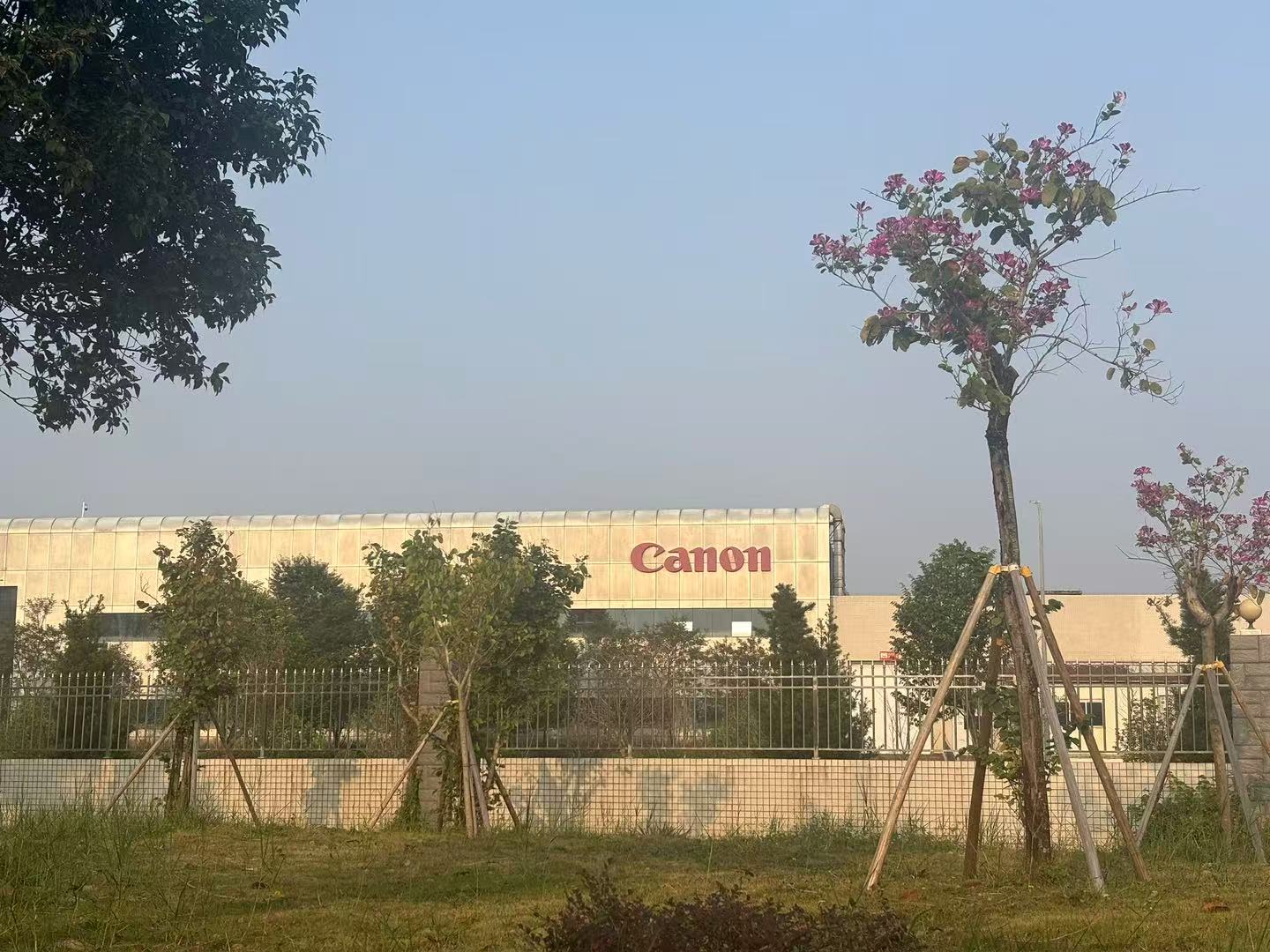
足球巨星C罗投资Al初创企业;佳能回应中山工厂停产丨Going Global
创业邦· 2025-12-07 10:08
Key Insights - The article highlights significant events in the global market, focusing on companies expanding overseas and their strategic moves [2][3] Group 1: E-commerce and Retail - During the Black Friday sales period, AliExpress saw a 40-fold increase in sales of electric scooters, indicating a strong demand for this category [5] - AliExpress's downloads in the European market surpassed Amazon on the first day of Black Friday, showcasing its growing popularity [6] - Shein successfully avoided a three-month operational suspension in France by agreeing to implement stricter product compliance measures [7] Group 2: Technology and Innovation - Pursuit Technology was recognized as one of the "Most Influential Brands" globally by Fast Company, highlighting its commitment to innovation and user experience [9][10] - BYD's chairman Wang Chuanfu announced plans to enhance electric and smart technology while expanding overseas markets, with a notable increase in international sales [11] - Anker Innovations is moving forward with its IPO application in Hong Kong, indicating its growth trajectory and international ambitions [13] Group 3: Corporate Developments - Canon confirmed the closure of its laser printer factory in Zhongshan due to a long-term decline in the market, but reassured that its other operations in China remain unaffected [16][17] - iRobot is facing severe financial difficulties, with debts exceeding $350 million and a significant drop in market share, raising concerns about its future viability [24][26] - Cristiano Ronaldo has invested in the AI startup Perplexity AI, marking a notable intersection of sports and technology [27][28] Group 4: Leadership and Management - Tony Fadell, known as the "father of the iPod," has expressed interest in succeeding Tim Cook as Apple's CEO, although his candidacy faces skepticism [19][20] - Meta has postponed the release of its mixed reality glasses to 2027, emphasizing the need for further refinement [21][23] - Samsung appointed Lee Kang-soo as the head of its new AI research institute, reflecting a focus on youthful leadership and innovation in AI technology [29] Group 5: Investment and Market Trends - Masayoshi Son of SoftBank expressed regret over selling Nvidia shares, indicating a need for capital to invest in AI projects [30][31]