国产算力体系自主发展

Search documents
不能将核心算力长期建立在美国芯片之上
Guan Cha Zhe Wang· 2025-12-11 06:24
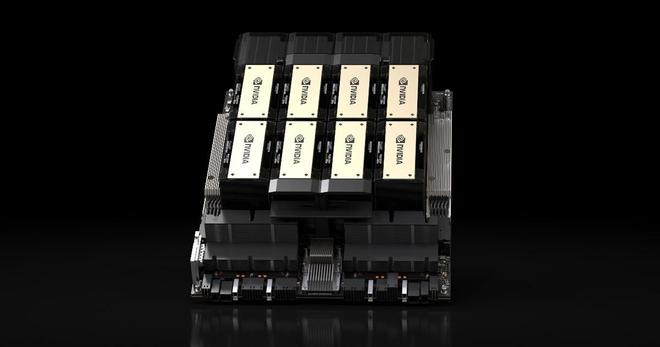
Core Insights - The U.S. government's approval for NVIDIA to export H200 AI chips to China reflects a complex backdrop of changing market dynamics and competitive pressures from domestic Chinese AI chip manufacturers [1][6] - The H200 chip, while currently advanced, faces significant challenges in the Chinese market due to the rapid development of local alternatives and regulatory recommendations against its use in critical infrastructure [1][4] Group 1: Market Dynamics - NVIDIA's CEO expressed optimism about the H20 chip's acceptance in China, but local companies have shown reluctance to purchase it due to its performance limitations and regulatory concerns [1][2] - The rise of domestic AI chip companies, such as Huawei and Cambricon, has led to a shift in procurement patterns, with an increasing emphasis on local solutions [2][4] Group 2: Strategic Implications - The long-term absence of NVIDIA from the Chinese market poses structural risks, as local GPU manufacturers could gain sufficient competitive strength to hinder NVIDIA's re-entry [4][5] - The U.S. export policy's unpredictability creates challenges for companies relying on imported high-end chips, making sustainable procurement of H200 impractical for critical industries [5][6] Group 3: Future Outlook - The approval of H200 is seen as a response to the rapid growth of China's computing ecosystem, indicating that U.S. policy may adapt in light of domestic advancements [6] - The future competitive landscape will depend more on China's ability to develop a robust high-end chip ecosystem rather than on specific export licenses from the U.S. [6]