国家独立

Search documents
法国总理:法国将大力发展核能,优先考虑能源国防
Huan Qiu Shi Bao· 2026-02-09 23:00
Core Viewpoint - France is committed to enhancing its nuclear energy capabilities and increasing its defense budget annually to achieve national independence, as stated by Prime Minister Leclerc [1] Nuclear Energy Development - The French government plans to include six new-generation nuclear reactors in its long-term energy plan, with an additional eight reactors as alternatives, establishing a structural foundation for the future of the French nuclear industry [1] - Prime Minister Leclerc emphasized the importance of nuclear energy in achieving national independence and reducing reliance on external energy sources [1] Renewable Energy Investment - In addition to nuclear energy, France will invest in renewable energy sources such as offshore wind, solar, and geothermal energy, which are crucial for decarbonization and generating electricity domestically [1] - Leclerc criticized the opposition to nuclear and renewable energy, labeling such disputes as foolish and out of touch with current realities, especially given France's annual import of €60 billion in natural gas and oil, highlighting the country's vulnerability due to external dependencies [1]
当年铁了心要独立,成为全球最大国中之国,现在穷的连邻国都嫌弃
Sou Hu Cai Jing· 2025-11-18 12:09
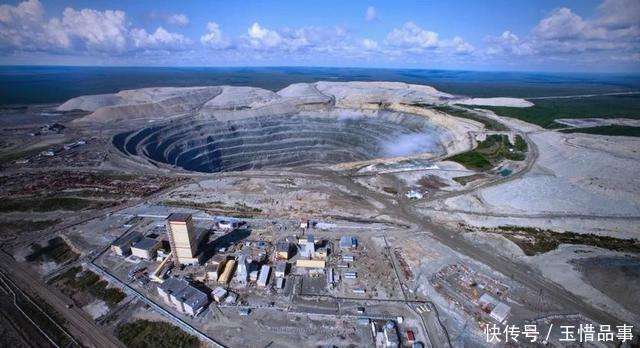
Economic Situation - Lesotho is facing a severe economic crisis due to the U.S. imposing a 15% tariff on its goods, leading to the cancellation of 80% of textile orders and approximately 13,000 job losses in the textile sector [1][14][18] - The textile industry is the largest private employer in Lesotho, providing around 36,000 jobs, predominantly for women [14] Geographical Challenges - Lesotho's geography, characterized by 75% mountainous terrain, poses significant barriers to economic development, including high transportation costs and limited agricultural land [2][4] - The country lacks deep-water ports and relies heavily on South Africa for transportation infrastructure [2] Political Instability - Since gaining independence in 1966, Lesotho has experienced political turmoil, including multiple coups and a history of electoral disputes, which have deterred foreign investment and led to reliance on international aid [6][9][13] - The political instability has created a vicious cycle, with foreign investors withdrawing and the economy remaining heavily dependent on international assistance [13] Economic Structure - Lesotho's economy is fragile, with agriculture being inefficient and unable to achieve self-sufficiency in food production [13] - The diamond mining sector, while a potential growth area, has not significantly transformed the overall economy [13] Government Response - In response to the economic crisis, the Lesotho government declared a "national disaster status" and is implementing measures such as waiving company registration fees and establishing entrepreneurship funds [18] - The government is also seeking to diversify its trade relationships and enhance connections with South Africa and other partners [23] International Support - Lesotho has secured funding from the World Bank amounting to $120 million and a €29 million financing agreement with the EU to support renewable energy development [25] - Infrastructure projects, such as the completion of the Mafeteng solar power station and the Moshoeshoe road, are expected to improve local conditions [25] Future Outlook - Despite the challenges, there is cautious optimism for economic growth in 2024 and beyond, as the government continues to explore new markets and investment opportunities [25][27]