
可再生能源

Search documents
以法固基,促能源绿色发展
中国能源报· 2026-03-22 23:33
Core Viewpoint - The promulgation of the "Ecological Environment Code of the People's Republic of China" marks a milestone in ecological civilization construction and serves as a legal foundation for high-quality energy development [2][3]. Group 1: Legal Framework and Energy Transition - The Code integrates over 30 existing ecological and environmental laws, emphasizing energy as a key area for ecological protection and improvement [3]. - It establishes a dedicated chapter on "Energy Conservation and Green Low-Carbon Transition," promoting the optimization of energy supply and consumption structures [3][5]. - The Code elevates green low-carbon development from policy guidance to legal obligation, providing a stable legal basis for energy transition and security [3][5]. Group 2: Global Context and Domestic Challenges - The Code responds to global climate change trends and sets a precedent for ecological environment codification worldwide [5]. - China's energy structure, heavily reliant on coal, faces challenges with high carbon emissions from energy-intensive industries, necessitating a shift in development and lifestyle [5][6]. - The Code aims to transition energy regulation from fragmented policies to systematic legislation, ensuring clear legal guidelines for energy activities [5][6]. Group 3: Opportunities for Energy Sector - The Code provides a solid legal guarantee for energy enterprises, supporting the development of renewable energy and establishing a legal framework for distributed photovoltaic and energy storage businesses [7][9]. - It redefines the roles of various energy sources, promoting clean and efficient use of fossil fuels while prioritizing renewable energy [8][9]. - The Code encourages technological innovation in green low-carbon development, integrating it into national planning for technological advancement [8][9]. Group 4: Market Dynamics and Competitive Landscape - The Code is expected to reshape the competitive logic and development pattern of the energy industry, emphasizing technology and market-driven approaches [10][11]. - It introduces strict penalties for non-compliance, increasing operational costs for companies and favoring those with advanced technologies and better environmental performance [10][11]. - The establishment of a legal framework for carbon trading enhances the value proposition for environmental enterprises, allowing them to gain additional carbon asset benefits [12][13]. Group 5: Implementation and Future Outlook - The Code establishes a collaborative system for carbon reduction, pollution control, and energy conservation, promoting efficiency and lowering carbon emissions across the energy sector [11][12]. - It aligns with national energy-saving and carbon reduction action plans, creating a legal basis for the implementation of these policies [11][12]. - The anticipated growth of the carbon market will incentivize the adoption of energy-saving and carbon-reducing technologies, enhancing market dynamics [13].

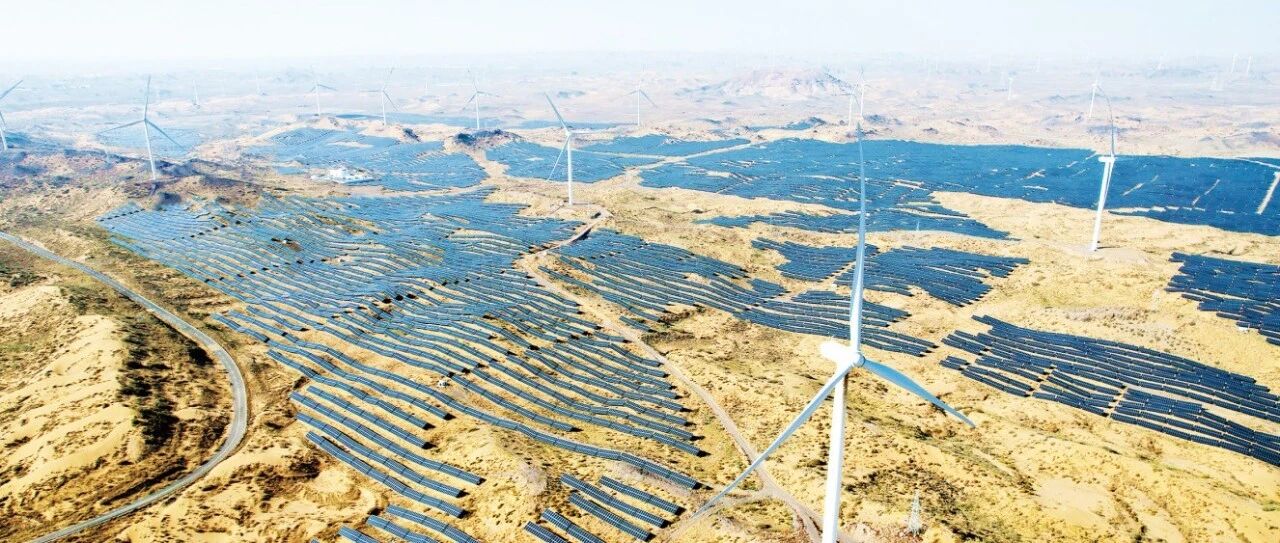
国家能源局发布最新数据
中国能源报· 2026-03-19 09:48AI Processing
3月19日,国家能源局发布2026年2月全国可再生能源绿色电力证书核发及交易数据。 一、绿证核发情况 2026年2月,国家能源局核发绿证1.98亿个,涉及可再生能源发电项目61.0 2万个,其中可交易绿证1.50亿个,占比75.49%。本期核发 2026年1月可再生能源电量对应绿证1. 55亿个,占比7 8.13%。 | 可再生能源发电类型 | 2月核发绿证数量 | 1-2月核发绿证数量 | | --- | --- | --- | | 风电 | 8469 | 17013 | | 大阳能发电 | 5272 | 10762 | | 常规水电 | 4647 | 8805 | | 生物质发电 | 1258 | 2569 | | 其他可再生能源发电 | 192 | 290 | | 总计 | 19838 | 39440 | 二、绿证交易情况 2026年2月,全国交易绿证7548万个,其中绿色电力交易绿证2996万个。 | 可再生能源发电类型 | 2月交易绿证数量 | 1-2月交易绿证数量 | | --- | --- | --- | | 风电 | 3912 | 8809 | | 大阳能发电 | 3084 | 7290 | ...

用价值投资对冲科技板块风险 | 两说
第一财经· 2026-03-19 05:15
Core Viewpoint - The value of active management is stronger than ever, especially in the context of market volatility and the rise of passive investment strategies [3] Group 1: Active Management - Active management is essential for identifying potential winners and losers in various industries, particularly in the rapidly evolving artificial intelligence sector [3] - Researching fundamentals and future prospects is crucial, as it helps uncover areas where positive surprises may occur [3] Group 2: 2026 Market Outlook - The bond market is expected to influence the stock market significantly, with current high valuations indicating a potential market correction [5] - There is uncertainty regarding when this adjustment may occur, but the pressure in the bond market is accumulating [5] Group 3: "American Exception" Theory - The concentration risk associated with the "seven giants" in the U.S. market is becoming apparent, as not all companies will succeed despite previous strong performance [8] - Market differentiation is emerging, which is seen as a positive development [8] Group 4: Artificial Intelligence Volatility - Short-term fluctuations in the AI sector are normal, but long-term confidence in its transformative potential remains strong [10] - The market will eventually distinguish between significant and insignificant developments, creating substantial investment opportunities [10] Group 5: Value Investment as a Hedge - Value sectors tend to have low correlation with growth sectors, providing a balance that can mitigate risks associated with AI volatility [12] - Industries such as energy, industrials, and commodities are highlighted for their stability and resistance to technological disruption [12] Group 6: Chinese Market Outlook - There is optimism regarding China's potential to become a global leader in various industries, including electric vehicles and renewable energy [14] - Investor confidence in China's commitment to AI development is crucial for the next round of asset revaluation [14] Group 7: 2026 Core Investment Belief - The core investment strategy for 2026 emphasizes a positive outlook on AI while focusing on stock selection [16] - Diversification beyond the tech sector is recommended to include more stable areas, underscoring the importance of carefully chosen investment targets [16]

SAF扩产-能源价值中枢上行-废油脂资源端稀缺增值-SAF级UCO价格持续上行
2026-03-17 02:07
Summary of Conference Call Records Industry Overview - The focus is on the Sustainable Aviation Fuel (SAF) industry and its raw material, Used Cooking Oil (UCO) [1][2][3][4][5][6][7][8]. Key Points and Arguments SAF and UCO Pricing Trends - SAF prices have increased by 26% year-on-year to $2,150 per ton, while UCO futures have surpassed 8,000 RMB per ton [1][2]. - In Europe, SAF prices are at $2,250 per ton, reflecting a 3.8% increase compared to the 2025 average, and a 26% year-on-year increase [2]. - UCO prices have also risen, with ordinary UCO at 7,400 RMB per ton, a 3% increase from 2025 [2]. Supply and Demand Dynamics - The demand for SAF is projected to reach 1.05 million tons in 2025 and increase to 3.14 million tons by 2030, driven by EU regulations [1][4]. - China's SAF production capacity is expected to reach 5.95 million tons by the end of 2027, significantly exceeding UCO supply [1][4][5]. - The annual collection of waste cooking oil in China is about 4 million tons, but the demand from SAF production alone will exceed this supply, highlighting resource scarcity [1][6]. Impact of EU Regulations - The EU mandates a 2% SAF blend by 2025, increasing to 6% by 2030 and 70% by 2050, which will significantly boost SAF demand [4][5]. Profitability and Business Models - Companies like Shangao Environmental and Longkun Technology benefit from a unique business model that does not incur raw material procurement costs, allowing them to convert revenue increases from UCO price hikes into profits [1][7]. - Shangao Environmental's net profit is expected to increase by 85 million RMB for every 1,000 RMB increase in UCO price, with a profit elasticity of 47% [1][8]. - Longkun Technology anticipates a net profit increase of 47 million RMB for the same price increase, with a profit elasticity of 12% [8]. Future Capacity Expansion - Shangao Environmental plans to expand its waste disposal capacity to 10,000 tons per day by 2028, potentially doubling its waste oil production to 200,000 tons [2][8]. - Longkun Technology expects its waste oil supply to reach 100,000 tons by 2028, also doubling its capacity [2][8]. Additional Important Insights - The transition of industry value from SAF production to UCO resource management is expected as new capacities are released in 2026 and 2027, leading to increased competition for UCO [3][6]. - The price ceiling for UCO could theoretically reach 8,500 RMB per ton based on current SAF prices and production costs, indicating significant potential for price increases in the future [3].

国际能源署署长:目前全球在建核电装机容量已达约70吉瓦,创40年来新高
中国能源报· 2026-03-13 14:03
Core Viewpoint - The global nuclear power capacity under construction has reached approximately 70 gigawatts, marking a 40-year high, according to the International Energy Agency (IEA) Director Fatih Birol [1][3]. Group 1: Nuclear Energy Development - The current global trend shows a significant recovery in nuclear energy, with the installed capacity under construction reaching about 70 gigawatts, the highest level in four decades [1][3]. - Nuclear energy is highlighted as an essential and reliable energy source that operates around the clock, alongside renewable energy, as key pillars of clean energy [1][3]. Group 2: Climate Change and Energy Transition - The upcoming COP31 conference, scheduled for November 9-20 in Antalya, Turkey, will focus on clean energy transition, climate-resilient urban development, and mechanisms for implementing climate actions [1][3]. - The Turkish Minister of Environment, Urbanization, and Climate Change emphasized the vulnerabilities in energy supply chains due to geopolitical conflicts and the increasing pressures on global food and energy systems caused by climate change [1][3].

中国股票策略 - 全球波动加剧背景下 A 股情绪保持稳定-China Equity Strategy-A-Share Sentiment Stable amid Heightened Global Volatility
2026-03-13 04:46
Summary of Key Points from the Conference Call Industry Overview - **Industry**: A-Shares in China - **Context**: The A-share market is showing resilience amid global volatility, particularly due to geopolitical tensions and lower dependence on oil imports relative to GDP [1][13] Core Insights - **Market Sentiment**: The Morgan Stanley A-share Sentiment Indicator (MSASI) remained stable at 51% as of March 12, 2026, with a slight decrease in the 1-month moving average (MMA) to 57% [2][7] - **Trading Activity**: Average daily turnover for ChiNext, A-shares, and equity futures decreased by 8%, 10%, and 14% respectively, indicating a decline in trading activity [2][3] - **Net Inflows**: Southbound trading experienced a net outflow of US$0.9 billion during March 5-11, but year-to-date and month-to-date net inflows were positive at US$19.3 billion and US$1.9 billion respectively [3] Economic Indicators - **Export Growth**: Exports rose by 21.6% year-on-year in January-February, driven by temporary factors such as the late Lunar New Year and front-loading ahead of VAT rebate cuts [4] - **Future Outlook**: Trade growth is expected to moderate sharply in March, with potential negative impacts on exports due to fading Lunar New Year distortions and risks from energy price shocks and a weaker global trade cycle [5] Investment Recommendations - **Sector Preference**: The report emphasizes a preference for A-shares over offshore listings and recommends focusing on sectors related to real assets and technology/innovation [14][15] - **Energy Security**: The ongoing geopolitical tensions, particularly the Iran conflict, highlight the importance of energy security, which could benefit both traditional and alternative energy sectors [13][14] Additional Insights - **Margin Transactions**: Margin transactions outstanding remained stable at RMB 2,625 billion, indicating consistent investor engagement despite the overall decline in trading volumes [2] - **Earnings Estimates**: The breadth of consensus earnings estimate revisions remained negative, suggesting cautious sentiment among analysts [2] Methodology Notes - **MSASI Construction**: The MSASI is based on 12 individual indicators capturing various dimensions of investor sentiment and market activity, normalized to reduce noise and reflect medium-term trends [16][28] This summary encapsulates the key points from the conference call, providing insights into the current state of the A-share market, economic indicators, and investment strategies.
Hyperscalers will increasingly get their power off-grid, says Morgan Stanley's Stephen Byrd
Youtube· 2026-03-09 22:22
Core Insights - The AI revolution is significantly reliant on natural gas, with higher gas prices potentially impacting the development of data centers, although the overall economics of data centers can absorb some price increases [2][4] - Security of supply is critical for data centers, and any risk of supply loss could hinder their operations, making it essential to ensure consistent power availability [3][4] - The data center industry is exploring off-grid solutions to mitigate political sensitivities and ensure they do not negatively impact energy costs for others [5][6] Industry Dynamics - The economic impact of data centers has been positive for regions like Loudoun County, where property taxes and electricity costs have decreased due to the presence of data centers [7][9] - There is growing political opposition to data center expansion, which could pose challenges for future growth in various states [10][11] - The data center community is under pressure to demonstrate a net benefit to the economy and improve their public relations, indicating a need for a shift in their business model [12] Energy Transition - The U.S. faces challenges in energy supply and grid infrastructure compared to countries like China, which has abundant and cheap power [17][19] - The permitting process for energy projects in the U.S. is slower than in China, which may hinder the rapid deployment of necessary infrastructure [19] - The data center industry is likely to develop its own mini-grids to ensure energy independence and reliability, reflecting a trend towards self-sufficiency in power generation [19][20]

聚焦:投资者如何从绿色经济标志中获益
Refinitiv路孚特· 2026-03-09 06:01
Core Insights - The green economy mark has raised nearly £18 billion since its launch in 2019, with over £77 billion of institutional funds invested in certified companies and funds, indicating strong momentum in sustainable investment [1][2] - Cindrigo, a renewable energy developer, is set to list on the London Stock Exchange on October 31, 2025, marking a strong year for certified companies that raised over £634 million in 2025 [1] How the Green Economy Mark Works - Companies and funds listed on the London Stock Exchange's main market and AIM can obtain the green economy mark if at least half of their revenue comes from products and services that contribute to the global green economy [2] - The green economy mark is based on the London Stock Exchange Group's Green Revenue Classification System (GRCS), which evaluates environmental products and services across 10 industries and 133 micro-industries based on seven environmental goals [2] Investment Dynamics Behind the Green Economy - The global green economy has expanded at a compound annual growth rate of 15% over the past decade, with a total valuation of $7.9 trillion as of Q1 2025, representing 8.6% of the global listed equity market [5] - The demand for capital to meet global climate goals by 2050 is estimated to be between $109 trillion and $275 trillion, creating significant investment opportunities for capital providers [5] Value Proposition of Green Economy Mark Companies - Level 1 activities have clear and significant environmental benefits, while Level 2 activities provide limited but still positive environmental impacts [6] - The green economy classification system helps identify companies and funds with environmental credentials that may not be fully recognized [7] Diversity of Investment Opportunities - The core appeal of the green economy mark lies in the diversity of certified issuers, with industrial, financial, and energy sectors accounting for 63% of certified entities [8] - Companies like Raspberry Pi and Synthomer exemplify the range of certified entities, showcasing significant energy efficiency and sustainable product offerings [8] Geographic Distribution of Certified Entities - As of June 2025, 77% of certified companies and funds are headquartered in the UK, while 23% (representing 60% of their market value) are from international regions, highlighting London’s role as a global green finance hub [9] Subsequent Financing Opportunities - A significant portion of funds raised by certified issuers comes from subsequent refinancing, with £633 million raised through follow-on offerings in 2025 [14] - This provides investors with opportunities to allocate additional capital to companies and funds with established environmental credentials and clear green revenue sources [14] Rigorous Review Process - The green economy mark is based on a data-driven methodology that reinforces the environmental credentials of issuers and the authenticity of their environmental impact [16] - Regular reviews ensure that at least 50% of an issuer's revenue comes from environmental products and services, providing confidence to investors [16] Connecting Capital to Green Growth - Transitioning to a sustainable global economy requires unprecedented levels of investment, which will drive green growth, support innovation, and create jobs while delivering competitive returns [18] - The green economy mark offers clear guidance for investors looking to allocate capital to sustainable investment opportunities [18]

国家发改委:2030年非化石能源占能源消费总量比重将达到25%
中国能源报· 2026-03-07 09:45
Core Viewpoint - The "14th Five-Year Plan" is a critical period for accelerating the comprehensive green transformation of economic and social development, as well as achieving carbon peak goals. The draft outline of the "15th Five-Year Plan" emphasizes a stronger focus on low-carbon requirements compared to the previous plan [2]. Group 1: Mechanism and Tasks - A comprehensive incentive and constraint mechanism will be established to cover various entities, including the implementation of a comprehensive evaluation and assessment method for carbon peak and carbon neutrality [3]. - The three main tasks will focus on energy, industry, and production/lifestyle: - Accelerating the transition of energy towards new and green sources, aiming for renewable energy to account for about 60% of installed capacity during the "14th Five-Year Plan" period, with a continued contribution of over 50% to global renewable energy installations [3]. - Promoting low-carbon technology and industries while managing high-energy-consuming industries, with plans to establish around 100 national-level zero-carbon parks and over 10,000 kilometers of zero-carbon transport corridors [3]. - Emphasizing resource conservation and the development of a circular economy, while promoting green and low-carbon lifestyles [4]. Group 2: Infrastructure Development - The "15th Five-Year Plan" outlines the construction of a modern infrastructure system, including transportation, water conservancy, energy, and new types of infrastructure such as major technological facilities and information communication networks [4]. - In the energy sector, a clean, low-carbon, safe, and efficient new energy system will be established, with a goal for non-fossil energy to account for 25% of total energy consumption by 2030 [4].

强大的城市吸引力,办公楼市场,人力资源趋势
莱坊· 2026-03-05 03:17
1. Report Industry Investment Rating - The report does not mention the industry investment rating [1-37] 2. Core Viewpoints - Poznań is an attractive city in Central and Eastern Europe, with high investment potential and a high - quality living environment. The office market in Poznań shows certain characteristics in supply, demand, vacancy rate, and rent. The Polish energy labor market is undergoing a transformation, with strong demand for high - quality professionals in the renewable energy sector [6][8][14] 3. Summary by Relevant Catalogs City Overview - Poznań has an area of 261.9 square kilometers and a population of 716,800 (as of January 2025). The number of companies is 135,737 (as of May 2025), the unemployment rate is 1.4% (as of August 2025), GDP growth is 11%, per - capita GDP is PLN 155,265, and the average salary in the business field is PLN 10,100.82 (as of May 2025) [6] - It ranks highly in multiple investment - related rankings and has various investment incentives, including project managers, cooperation with special economic zones, and promotion of real - estate projects [6] - In terms of quality of life, it is the only Polish city on the Forbes list of the 20 most suitable European cities for Americans to live, invest, and work. It has won the Smart City Award, has a Michelin - starred restaurant, and offers rich cultural and leisure facilities [8] Office Market - As of the end of 2025, the total office inventory in Poznań is 678,000 square meters, ranking sixth in the Polish office market. The office demand in 2025 slightly increased to over 72,000 square meters, and the renegotiation ratio significantly rose, accounting for over 53% of the total transactions [11] - The supply situation: With 678,000 square meters of modern office space, Poznań accounts for over 5% of the total office space in Poland. Only about 5,000 square meters of modern office space was delivered in 2025, and about 78,000 square meters is under construction, ranking first among regional cities in Poland [12][13] - The demand situation: The office space demand in Poznań in 2025 was strong, with a total area of nearly 72,000 square meters, a year - on - year increase of 8%. Renegotiation became the main transaction type, accounting for 53% of the total, new leases accounted for 37%, and expansion accounted for 10% [14][15] - The vacancy rate: As of the end of the fourth quarter of 2025, the vacancy rate was 13.9%, a slight increase of 0.3 percentage points compared to the previous quarter and 0.5 percentage points compared to the same period last year [16] - The rent: As of the end of the fourth quarter of 2025, the rent in Poznań remained stable, usually between 11.50 and 16.00 euros per square meter per month, and the service fee was usually between 17.00 and 29.00 Polish zlotys per square meter per month [17] Labor Market in the Energy Sector - According to Michael Page's "2026 Salary Guide", the Polish energy labor market is accelerating development, with strong demand for professionals in renewable energy, energy storage, and offshore projects. The market is candidate - led for those with unique technical expertise and project experience [24] - The demand for engineers is the highest, and different positions have different salary ranges. For example, installation designers, grid connection experts, etc. in Warsaw have salaries ranging from about 14,000 - 15,000 Polish zlotys (gross income) to 19,000 - 21,000 Polish zlotys (senior positions) [24] - The education system in Poland lags behind the energy transition, resulting in a skills gap. It is difficult to find universities that prepare students for the energy industry, especially offshore renewable energy, outside of three major cities and Szczecin [31] - The salary in the renewable energy industry has stabilized. Employers are increasingly competing for talent through comprehensive welfare packages in addition to salary, such as flexible work models, work - life balance, and additional benefits [28]