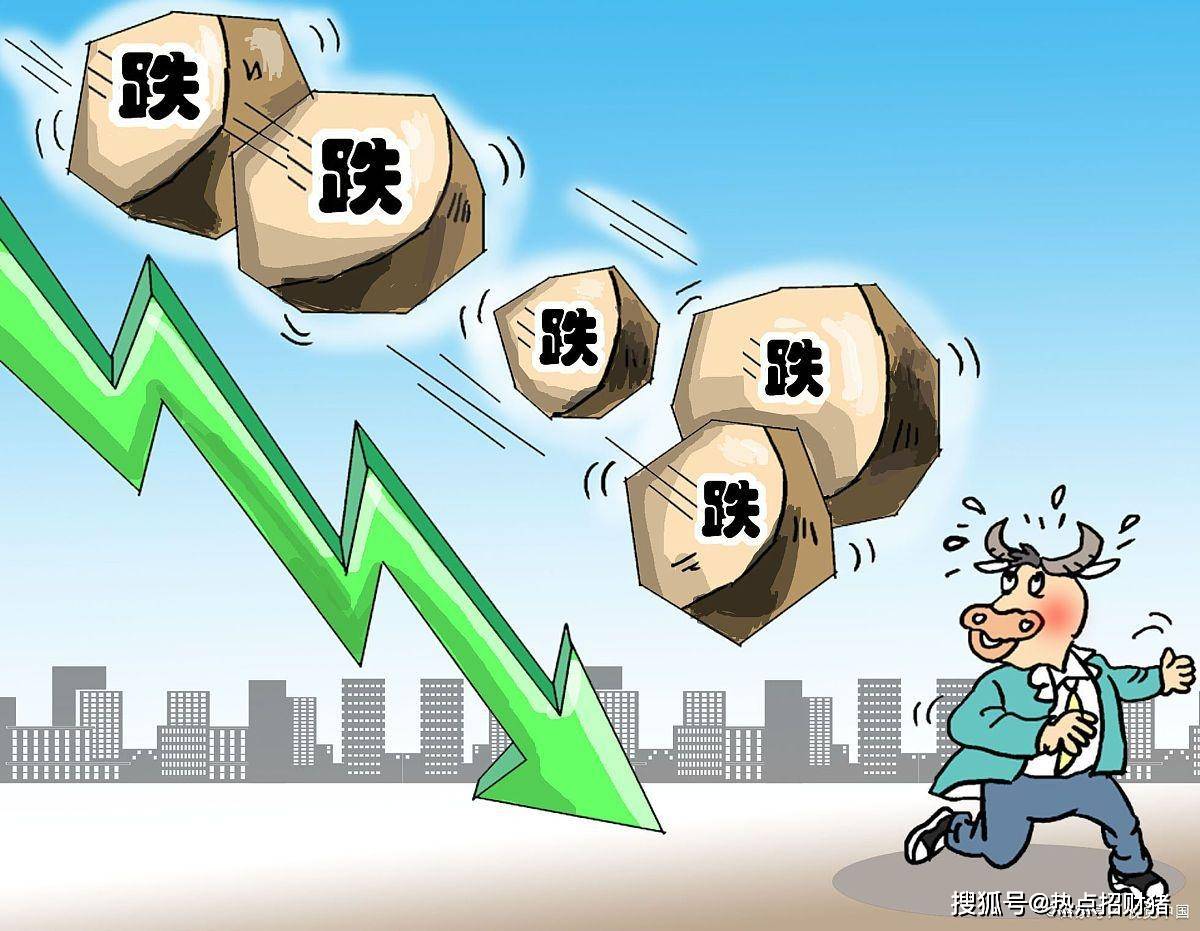
国家队托市

Search documents
国家队暂停托市!三大利空如何冲击下周A股?
Sou Hu Cai Jing· 2025-12-14 17:37
Group 1 - The "national team" has adjusted its market support operations, with the People's Bank of China announcing a pause in government bond purchases starting January 2025, citing changes in market supply and demand [3] - Central Huijin continues to hold major ETFs but has made adjustments in specific accounts, indicating a shift from active buying to selective adjustments, which may affect market sentiment [3] - The overall market lacks a strong support signal, leading to increased uncertainty among investors [3] Group 2 - Macro data released by the National Bureau of Statistics shows economic pressure, with industrial value-added growth at 4.9%, below the 5.2% market expectation, and fixed asset investment down 1.7%, with real estate investment plummeting by 14.7% [4] - Export figures also reflect weakness, with a 0.8% year-on-year decline in October, marking the first negative growth of the year, particularly affecting exports to the EU and the US [4] Group 3 - The funding environment is tightening due to increased IPO financing, with A-share IPOs reaching 100.36 billion yuan from January to November 2025, redistributing market funds [5] - A significant lock-up period expiration is expected, with 577 million shares of China Merchants Port set to be released, potentially leading to shareholder sell-offs and price pressure [5] - Northbound capital has seen a net outflow, with a single-day outflow of 5.6 billion yuan on December 12, indicating a tightening liquidity situation [5] Group 4 - Regulatory pressures are increasing in key industries, particularly in real estate, where new financing leverage limits have been set at 50%, and stricter pre-sale fund regulations are in place [6] - The environmental sector is also facing heightened scrutiny, with new regulations requiring high-pollution industries to complete environmental upgrades by the end of 2026, and increased taxes on high-energy products [6] - The China Securities Regulatory Commission is intensifying its enforcement of market regulations, further constraining speculative activities in high-risk sectors [6] Group 5 - Despite the negative factors, the People's Bank of China has signaled continued liquidity support with a 600 billion yuan reverse repurchase operation announced on December 12 [7] - There are still policy supports in sectors like technology and green energy under the "14th Five-Year Plan," which may provide funding assistance through special loans [7]


国家队暂停托市?6月14日,市场泥沙俱下,投资者该何去何从
Sou Hu Cai Jing· 2025-06-14 14:13
Group 1 - The national team has paused market support, leading to a significant drop in the Shanghai Composite Index, which fell below 3400 points after only two days above that level [1] - The recent market rebound failed to break the high point from May, indicating that the current upward movement is merely a temporary disruption in a larger downward trend that has persisted since October of last year [1] - The Hong Kong stock market is also experiencing a noticeable pullback, suggesting that the A-share market may face challenges in rising [1] Group 2 - The A-share market opened lower and continued to decline, with the overall index dropping by 1.46%, indicating a critical third day for potential reversal [3] - Over 4400 stocks declined, and trading volume significantly increased, with half-day trading reaching 936.1 billion, suggesting heightened selling pressure [3] - The main funds played a role in driving the market down, with a net sell of 47 billion in just half a day, particularly affecting major stocks like Kweichow Moutai and Wuliangye [5] Group 3 - All three major indices declined, with the Shanghai Composite Index closing down 0.75% and falling below 3400 points, driven by a net sell of 606 billion from main funds [7] - The pattern of selling at the 3400-point mark appears to be systematic, possibly influenced by AI-driven quantitative trading strategies [7] - The increasing dominance of quantitative trading in the market poses challenges for traditional institutional and individual investors [7]