在地非遗文化

Search documents
2025,中国旅游消费彻底变了
虎嗅APP· 2026-01-02 13:24
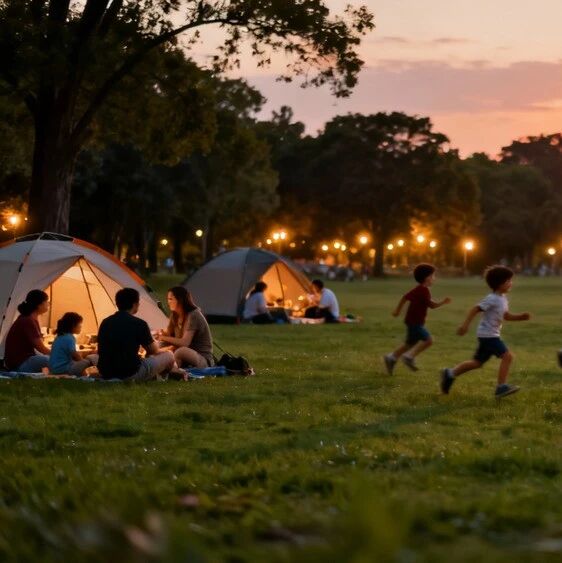
Core Insights - In 2025, domestic tourism consumption in China experienced an unexpected trend where major economic hubs like Beijing and Shanghai saw a decline in tourism spending, while less developed regions such as Northeast (Heilongjiang, Jilin, Liaoning), Northwest (Gansu, Qinghai), and Southwest (Yunnan, Guizhou) exhibited a surge in tourism consumption [3][4][6]. - Traditional government measures to stimulate tourism, such as consumption vouchers and free admission, have become less effective, leading to the rise of new strategies like seasonal holidays and local intangible cultural heritage events to boost tourism [26][28][32]. Group 1: Consumption Patterns - A report categorized provinces into four consumption types based on per capita income and consumption rates, revealing that Beijing and Shanghai fall into the "cautious consumption" category, contrary to expectations [5][6]. - Residents in economically weaker regions like Northeast China are more willing to spend on tourism due to lower living costs and stable incomes, leading to increased tourism activity [11][12]. Group 2: Changing Consumer Behavior - The trend of tourists opting for camping over hotel stays during peak seasons highlights a shift towards seeking high cost-performance experiences in tourism [14][15]. - The K-shaped differentiation in tourism consumption indicates a split where some consumers prioritize high emotional value experiences, while others focus on high cost-performance, emphasizing value for money [16][18]. Group 3: New Stimulus Measures - The effectiveness of traditional tourism stimulus measures has diminished, prompting the introduction of new strategies such as school autumn breaks and government-led cultural festivals to stimulate local tourism [26][28]. - The introduction of school autumn breaks in cities like Sichuan and Guangdong has unexpectedly boosted local tourism, creating a new peak travel period [28][30]. Group 4: Future Opportunities - The shift in tourism consumption patterns presents new opportunities for businesses, particularly in less developed regions where tourism infrastructure is evolving [35][36]. - The anticipated rise of government-led cultural festivals and new public holidays is expected to further stimulate tourism consumption in 2026, with a focus on creative and low-barrier events [36][37].

2025,中国旅游消费彻底变了
Sou Hu Cai Jing· 2026-01-01 01:48
Core Insights - In 2025, domestic tourism consumption in China experienced an unexpected trend where major economic hubs like Beijing and Shanghai saw a decline in tourism spending, while less developed regions such as Northeast (Heilongjiang, Jilin, Liaoning), Northwest (Gansu, Qinghai), and Southwest (Yunnan, Guizhou) exhibited a surge in tourism activity [2][4][9]. Group 1: Consumption Patterns - Beijing and Shanghai have been categorized as "cautious consumers," indicating that residents in these economically advanced cities are spending less on tourism compared to their counterparts in less affluent regions [3][4]. - The decline in tourism spending in Beijing and Shanghai is attributed to high living costs and economic pressures, leading residents to reduce their travel budgets significantly [4][5]. - In contrast, residents in the Northeast, despite lower incomes, are more willing to spend on tourism due to lower living costs and stable incomes, resulting in a higher propensity for travel [10][11]. Group 2: Changing Consumer Behavior - A notable trend in 2025 is the shift towards camping and high-cost performance experiences, with many tourists opting to sleep in tents rather than expensive hotels during peak travel times [12][13]. - The concept of "high cost performance" has become crucial in influencing tourism consumption decisions, with consumers seeking value for money and unique experiences [14][19]. - The demand for high cost performance is not limited to tourism but reflects a broader global consumer trend towards purposeful spending [16][18]. Group 3: Ineffectiveness of Traditional Stimulus Measures - Traditional measures to stimulate tourism, such as free admission and consumption vouchers, have become less effective, prompting the need for new strategies [20][21]. - New initiatives, including the introduction of school autumn breaks and local cultural festivals, have emerged as effective means to boost tourism consumption [21][22]. - The rise of local intangible cultural heritage as a tourism draw has shown significant potential, with many regions successfully leveraging these cultural elements to attract visitors [24]. Group 4: Future Opportunities - The tourism industry is witnessing a shift in focus towards high-activity markets like Northeast China, with new tourism products and services being developed to meet changing consumer preferences [26][27]. - The introduction of new public holidays and school breaks is expected to further stimulate tourism consumption in the coming years, with predictions of increased government-led cultural and tourism festivals [27][28]. - The evolving landscape of tourism consumption presents opportunities for businesses that can adapt to the demand for high cost performance and unique experiences [28][29].