春秋假

Search documents
黄山旅游(600054):名山为基,弹性可期
Xinda Securities· 2026-03-24 11:24
Investment Rating - The investment rating for Huangshan Tourism (600054) is "Buy" [2] Core Insights - The company is leveraging its core scenic resources to build a comprehensive tourism industry chain, including scenic spots, cable cars, hotels, and dining services [6][13] - The company has shown stable growth in its existing business, with digital marketing strategies enhancing visitor numbers and ticket prices [6][24] - New business opportunities are expected from the upcoming operations of the East Gate and East Sea Scenic Area, which will increase the area available for visitors by one-third and alleviate congestion at the South Gate [6][30] - The company is poised to benefit from national policies promoting service consumption and the introduction of spring and autumn holidays, which are expected to boost tourism demand [14][15] Company Overview - Huangshan Tourism is recognized as China's first tourism stock, having been listed since 1996 and continuously expanding its tourism resource layout through acquisitions and investments [16][18] Business Analysis - The company operates a full tourism industry chain around the Huangshan Scenic Area, which includes various scenic spots, cable cars, hotels, and dining services [20] - The Huangshan Scenic Area has implemented effective marketing strategies that have led to a significant increase in visitor numbers post-pandemic, reaching 4.57 million visitors in 2023, a 31% increase compared to 2019 [24][27] - The East Sea Scenic Area and East Gate are expected to open in July 2026, which will enhance visitor capacity and improve the overall tourist experience [30][59] Financial Analysis - The company's total revenue is projected to grow from 1,929 million yuan in 2023 to 2,546 million yuan by 2027, with a compound annual growth rate (CAGR) of approximately 7.8% [4] - The net profit attributable to the parent company is expected to recover from a low of 290 million yuan in 2025 to 406 million yuan in 2027, reflecting a positive growth trajectory [4] Industry Analysis - The domestic tourism market has surpassed pre-pandemic levels, with visitor numbers and tourism revenue recovering to 109% and 110% of 2019 levels, respectively [14][15] - The company is well-positioned to benefit from the ongoing improvements in transportation infrastructure, which enhance accessibility to Huangshan [15]

2025拿下多个全国第一!省两会,江苏教育又“上新”
Xin Lang Cai Jing· 2026-02-05 14:08
Core Viewpoint - Jiangsu province is making significant strides in education, achieving numerous national rankings and focusing on quality and equitable education in its future plans [1][8]. Group 1: Achievements in Education - Jiangsu's early childhood education and balanced development of compulsory education are ranked among the best in the country during the 14th Five-Year Plan [1]. - The province has 16 universities and 48 disciplines included in the "Double First Class" initiative [1]. - In the past year, Jiangsu has restructured 63 provincial key laboratories and ranked first in the number of individuals selected for national major talent projects [1][3]. - The number of admissions to ordinary high schools, undergraduate programs, and high-level universities has reached historical highs [1]. - Jiangsu leads the nation with 31 comprehensive reform pilot projects for building a strong education country [3]. - The province has been recognized for its achievements in vocational education, including 294 national planning textbooks and 113 gold medals at the World Skills Competition [4]. Group 2: Future Plans for Education - The government report emphasizes promoting educational equity and quality, including the implementation of free preschool education and increasing the supply of ordinary high school places [8]. - Plans include enhancing the quality of student dormitories in provincial universities and supporting the establishment of high-level vocational colleges [8]. - The report outlines initiatives to strengthen artificial intelligence education and improve the integration of education and technology [8]. - A focus on creating a supportive environment for innovation and entrepreneurship among youth is highlighted, with plans to support international talent recruitment [8]. - The 2026 civil affairs agenda includes 45 initiatives related to education, such as expanding community childcare services and enhancing mental health support for youth [9][10].


超长寒假开启,学生照看难题何解
2 1 Shi Ji Jing Ji Bao Dao· 2026-01-15 11:05
Core Viewpoint - The article discusses the challenges and implications of extended winter vacations for students in Beijing and other cities, highlighting the need for flexible holiday arrangements and the impact on parents and educational institutions [1][2][6]. Group 1: Winter Vacation Duration - Beijing's winter vacation in 2026 will last 5 weeks and 2 days, making it one of the longest in the past decade, with an additional 7 days of home adjustment before the official break [2][6]. - In contrast, some districts in Hangzhou have shortened the home adjustment period to as little as 2 days, causing frustration among parents who had planned vacations [3][4]. Group 2: Parental Concerns - Many parents express concerns about childcare during the extended vacation, as they often work and cannot supervise their children [4]. - Some schools are introducing programs with external educational institutions to provide extracurricular activities during the home adjustment period, but these come with additional costs [4][5]. Group 3: Educational Adjustments - The 2025-2026 academic year will see a shorter spring semester, with some schools reducing the duration to 18 weeks and 2 days, compared to the previous year [6]. - The article emphasizes the need for schools to adapt their curricula to accommodate the varying lengths of semesters due to holiday schedules [6][7]. Group 4: Community and Government Involvement - Initiatives in cities like Shenyang are encouraging community involvement to provide diverse educational experiences during breaks, moving beyond traditional school and home settings [5]. - The article mentions that some regions are exploring the introduction of spring and autumn breaks to enhance student well-being and learning opportunities [7][8]. Group 5: Flexibility in Holiday Arrangements - The article advocates for a flexible approach to holiday scheduling, allowing local authorities and schools to tailor vacation times based on regional needs and student lifestyles [8][9]. - It highlights the importance of balancing educational requirements with the need for students to engage with nature and community during breaks [7][8].
珠海春秋假方案初定,学校自主择期、托管兜底
Xin Lang Cai Jing· 2026-01-08 00:25
Group 1 - The core point of the article is that Zhuhai City Education Bureau has developed a preliminary plan for the Spring and Autumn holidays, which is currently in the optimization stage and will be announced once finalized [1] - The Spring and Autumn holidays will not follow a "one-size-fits-all" approach; schools can determine specific holiday dates within a designated timeframe based on their teaching plans, subject to approval from the district education department [1] - The holidays are designated as student-exclusive breaks, with schools required to provide custodial services during this period, ensuring that regular teaching is not conducted [1] Group 2 - The plan has undergone multiple rounds of feedback collection, incorporating suggestions from relevant departments, district education offices, and schools, balancing educational order with parental needs [1] - The Education Bureau will announce the finalized plan to the public, allowing sufficient time for schools to adjust their educational plans and for parents to make arrangements [1] - The statement emphasizes that the Spring and Autumn holidays are for students, not for teachers or schools, ensuring that children can still attend school for custodial care if parents are unable to take leave [1]
2025,中国旅游消费彻底变了
虎嗅APP· 2026-01-02 13:24
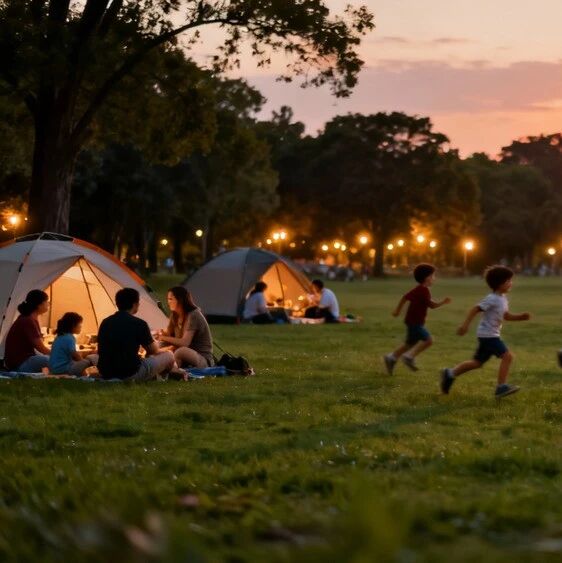
Core Insights - In 2025, domestic tourism consumption in China experienced an unexpected trend where major economic hubs like Beijing and Shanghai saw a decline in tourism spending, while less developed regions such as Northeast (Heilongjiang, Jilin, Liaoning), Northwest (Gansu, Qinghai), and Southwest (Yunnan, Guizhou) exhibited a surge in tourism consumption [3][4][6]. - Traditional government measures to stimulate tourism, such as consumption vouchers and free admission, have become less effective, leading to the rise of new strategies like seasonal holidays and local intangible cultural heritage events to boost tourism [26][28][32]. Group 1: Consumption Patterns - A report categorized provinces into four consumption types based on per capita income and consumption rates, revealing that Beijing and Shanghai fall into the "cautious consumption" category, contrary to expectations [5][6]. - Residents in economically weaker regions like Northeast China are more willing to spend on tourism due to lower living costs and stable incomes, leading to increased tourism activity [11][12]. Group 2: Changing Consumer Behavior - The trend of tourists opting for camping over hotel stays during peak seasons highlights a shift towards seeking high cost-performance experiences in tourism [14][15]. - The K-shaped differentiation in tourism consumption indicates a split where some consumers prioritize high emotional value experiences, while others focus on high cost-performance, emphasizing value for money [16][18]. Group 3: New Stimulus Measures - The effectiveness of traditional tourism stimulus measures has diminished, prompting the introduction of new strategies such as school autumn breaks and government-led cultural festivals to stimulate local tourism [26][28]. - The introduction of school autumn breaks in cities like Sichuan and Guangdong has unexpectedly boosted local tourism, creating a new peak travel period [28][30]. Group 4: Future Opportunities - The shift in tourism consumption patterns presents new opportunities for businesses, particularly in less developed regions where tourism infrastructure is evolving [35][36]. - The anticipated rise of government-led cultural festivals and new public holidays is expected to further stimulate tourism consumption in 2026, with a focus on creative and low-barrier events [36][37].
2025,中国旅游消费彻底变了
Sou Hu Cai Jing· 2026-01-01 01:48
Core Insights - In 2025, domestic tourism consumption in China experienced an unexpected trend where major economic hubs like Beijing and Shanghai saw a decline in tourism spending, while less developed regions such as Northeast (Heilongjiang, Jilin, Liaoning), Northwest (Gansu, Qinghai), and Southwest (Yunnan, Guizhou) exhibited a surge in tourism activity [2][4][9]. Group 1: Consumption Patterns - Beijing and Shanghai have been categorized as "cautious consumers," indicating that residents in these economically advanced cities are spending less on tourism compared to their counterparts in less affluent regions [3][4]. - The decline in tourism spending in Beijing and Shanghai is attributed to high living costs and economic pressures, leading residents to reduce their travel budgets significantly [4][5]. - In contrast, residents in the Northeast, despite lower incomes, are more willing to spend on tourism due to lower living costs and stable incomes, resulting in a higher propensity for travel [10][11]. Group 2: Changing Consumer Behavior - A notable trend in 2025 is the shift towards camping and high-cost performance experiences, with many tourists opting to sleep in tents rather than expensive hotels during peak travel times [12][13]. - The concept of "high cost performance" has become crucial in influencing tourism consumption decisions, with consumers seeking value for money and unique experiences [14][19]. - The demand for high cost performance is not limited to tourism but reflects a broader global consumer trend towards purposeful spending [16][18]. Group 3: Ineffectiveness of Traditional Stimulus Measures - Traditional measures to stimulate tourism, such as free admission and consumption vouchers, have become less effective, prompting the need for new strategies [20][21]. - New initiatives, including the introduction of school autumn breaks and local cultural festivals, have emerged as effective means to boost tourism consumption [21][22]. - The rise of local intangible cultural heritage as a tourism draw has shown significant potential, with many regions successfully leveraging these cultural elements to attract visitors [24]. Group 4: Future Opportunities - The tourism industry is witnessing a shift in focus towards high-activity markets like Northeast China, with new tourism products and services being developed to meet changing consumer preferences [26][27]. - The introduction of new public holidays and school breaks is expected to further stimulate tourism consumption in the coming years, with predictions of increased government-led cultural and tourism festivals [27][28]. - The evolving landscape of tourism consumption presents opportunities for businesses that can adapt to the demand for high cost performance and unique experiences [28][29].
社会服务板块2026年度策略:重视服务消费布局元年,看好细分景气与周期改善
Guoxin Securities· 2025-12-31 00:45
Group 1 - The report emphasizes the importance of service consumption in 2026, highlighting a year of strategic layout and potential improvements in specific sectors and cycles [4][6][8] - The overall recovery of the service sector is characterized by a moderate rebound and structural prosperity, with service consumption growth outpacing that of goods consumption [11][12] - The report identifies three key changes affecting demand, policy, and technology, including a shift towards more rational consumer behavior, the impact of policy and globalization on corporate decisions, and accelerated technological iterations [11][4][6] Group 2 - The investment strategy for 2026 focuses on boosting domestic demand, with significant potential for service consumption in China compared to developed countries [19][26] - The report outlines specific sub-sectors such as duty-free, hotels, and education, which are expected to perform differently based on demand and supply dynamics [7][8][34] - Recommendations include focusing on cyclical recovery and sector-specific prosperity, with suggested investments in companies like China Duty Free Group, Huazhu Group, and Meituan [4][34][8] Group 3 - The report notes that the service sector has underperformed compared to the broader market, with a year-to-date increase of 14.55%, lagging behind the CSI 300 index [14][12] - Structural trends indicate that leading companies in tea drinks and hotels have outperformed, while duty-free and hotel stocks have shown strength in the fourth quarter [14][12] - The report highlights the importance of policy measures aimed at enhancing service consumption, including various initiatives to stimulate demand and improve the consumer environment [26][28][27]




“雪假”不只是“旅游假” 因地制宜设假期或是趋势
Nan Fang Du Shi Bao· 2025-12-01 00:20
Core Viewpoint - The introduction of "snow holidays" in provinces like Xinjiang and Jilin aims to boost tourism and enhance family engagement in winter sports, while also promoting student health and cultural experiences [1][2]. Group 1: Policy Implementation - The "snow holiday" concept is rapidly being adopted in provinces such as Xinjiang and Jilin, following the earlier implementation of spring and autumn holidays in regions like Zhejiang, Sichuan, and Guangdong [1]. - Jilin's "ice and snow holiday" specifically targets compulsory education students without encroaching on existing winter and summer breaks [1]. Group 2: Economic Impact - The introduction of spring and autumn holidays has shown a positive impact on the tourism market, particularly during off-peak seasons, indicating a trend towards enhancing tourism consumption [1]. - The "snow holiday" is expected to invigorate the winter tourism market by encouraging family participation in ice and snow activities, thus driving economic benefits for local tourism sectors [1][2]. Group 3: Educational and Social Benefits - Beyond economic gains, "snow holidays" are designed to improve student physical fitness, broaden their horizons through educational activities, and foster family bonding [2]. - The initiative aligns with national policies aimed at promoting the ice and snow economy, as outlined in the State Development and Reform Commission's plan for revitalizing the Northeast region [2]. Group 4: Local Adaptation and Future Trends - The concept of establishing local holidays based on regional characteristics is gaining traction, allowing for tailored approaches to tourism and cultural promotion [3]. - While local holidays may primarily attract regional tourists, there is a need to explore strategies to draw in visitors from outside the area to maximize economic benefits [3].
多地宣布中小学放雪假,有地区鼓励机关企事业单位职工带薪休假
第一财经· 2025-11-29 12:11
Core Viewpoint - The introduction of "snow holidays" in various regions, particularly in Jilin and Xinjiang, aims to promote winter sports, tourism, and overall student well-being while stimulating local economies through increased travel and leisure activities [3][5][6]. Group 1: Policy Implementation - Jilin Province has established a "snow holiday" from December 3 to 7, 2025, for all compulsory education students, encouraging paid leave for parents to engage in winter activities with their children [3][5]. - Urumqi and Altay in Xinjiang have also announced a "snow holiday" from December 1 to 5, 2025, allowing for a continuous 9-day break when combined with weekends [5][6]. Group 2: Economic Impact - The "snow holiday" initiative is expected to alleviate academic pressure on students and promote physical and mental health, similar to previous "autumn holidays" implemented in other regions [5][6]. - The introduction of these holidays is anticipated to boost tourism, with significant increases in flight bookings reported, such as a 51% and 99% year-on-year rise in Urumqi and Altay, respectively, during the holiday period [6]. Group 3: Regional Adaptation - The concept of "spring and autumn holidays" is being explored across various regions, with adaptations based on local climate and tourism potential, emphasizing the need for tailored approaches [4][6]. - Experts suggest that the "snow holiday" aligns with local climate conditions and tourism development, fostering a sustainable tourism market by encouraging off-peak travel [6].

多地宣布中小学放雪假,吉林鼓励机关企事业单位职工带薪休假
Di Yi Cai Jing· 2025-11-29 11:44
Group 1 - The introduction of "snow holidays" in various regions, such as Jilin and Xinjiang, aims to promote winter tourism and encourage family participation in winter sports and activities [1][2][3] - Jilin Province has designated a "snow holiday" from December 3 to 7, 2025, allowing all students in compulsory education to take time off, while also encouraging parents to take paid leave to engage in winter activities with their children [1][2] - The implementation of "snow holidays" is part of a broader trend to reduce academic pressure on students and promote their overall development, similar to previously established "autumn holidays" in other regions [2][3] Group 2 - The Ministry of Commerce and other departments have emphasized the need to optimize student holiday arrangements to stimulate service consumption, suggesting adjustments to the academic calendar based on local climate and conditions [3] - Experts believe that the introduction of "snow holidays" can help cultivate the winter tourism market, making off-peak seasons more vibrant and sustainable for the tourism industry [3] - Data from Southern Airlines indicates a significant increase in flight bookings in regions with "snow holidays," with a year-on-year growth of 51% in Urumqi and 99% in the Altay region, highlighting the potential for youth travelers to become a key demographic in seasonal travel [4]