地名文化

Search documents
新春走基层丨马年“追马戳”热 唤醒北京地名新活力
Zhong Guo Xin Wen Wang· 2026-02-19 02:50
Core Viewpoint - The rise of the "Chasing Horse Stamps" trend during the Year of the Horse reflects the dual empowerment of geographical culture and economic value, showcasing the vitality of local culture and its impact on various industries [2][4]. Group 1: Cultural Significance - Geographical names serve as "living fossils" of urban history, embodying regional culture, customs, and changes over time, with the "Chasing Horse Stamps" phenomenon exemplifying this cultural vitality [2]. - Collecting postal stamps is seen as a continuation of the sentiment from the era of letter writing, while also embracing new experiences, as evidenced by the enthusiasm of both older and younger generations [1][2]. Group 2: Economic Impact - The pursuit of postal stamps has revitalized old geographical names, transforming them from mere symbols on a map into vibrant entities that stimulate the development of industries such as dining, cultural creativity, and tourism [4]. - The "Chasing Horse Stamps" trend has created new scenarios for geographical economic development by uncovering the cultural value behind place names and converting it into developmental momentum [4]. Group 3: Tourism and Community Engagement - The trend encourages a "travel while stamping" model, where enthusiasts enjoy local attractions and cuisine while collecting stamps, enhancing the overall experience and community engagement [2]. - Social media plays a significant role in sharing experiences and insights from the stamp-collecting journey, contributing to the trend's popularity and cultural exchange [2].

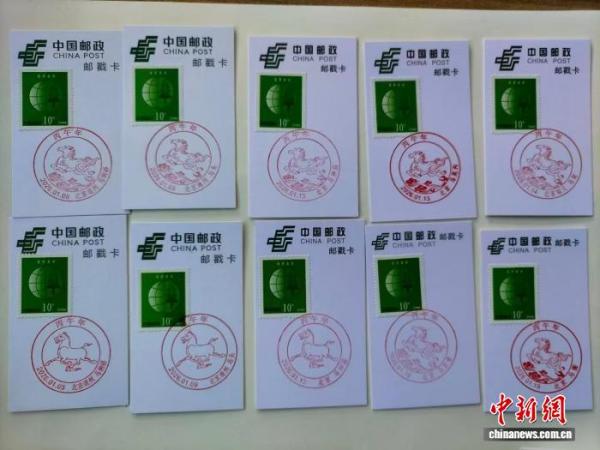
(新春走基层)马年“追马戳”热 唤醒北京地名新活力
Xin Lang Cai Jing· 2026-02-18 14:14
Core Insights - The rise of the "Chasing Horse Stamps" trend during the Year of the Horse is revitalizing the cultural significance of Beijing's place names [1][3][4] Group 1: Cultural and Economic Impact - The trend of collecting horse-themed postal stamps reflects a dual empowerment of cultural and economic value associated with place names [3][4] - Place names serve as "living fossils" of urban history, embodying regional culture, customs, and changes over time, with the "Chasing Horse Stamps" phenomenon exemplifying this cultural vitality [3][4] Group 2: Community Engagement and Tourism - The activity of collecting stamps has become a social phenomenon, with many young people engaging in this hobby, enhancing their social connections and adding enjoyment to their lives [1][3] - The "Chasing Horse Stamps" trend encourages a tourism model where enthusiasts explore local attractions, enjoy regional cuisine, and purchase themed cultural products, thus creating a new scene for place-based economic development [4]
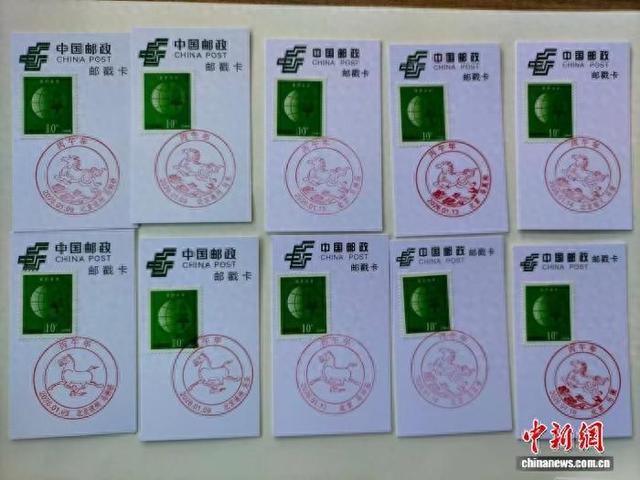
《五千年中华地名》展现大学问
Xin Lang Cai Jing· 2026-01-03 21:17
Core Viewpoint - The publication "Five Thousand Years of Chinese Place Names" aims to enhance understanding of Chinese geography, history, and culture through the exploration of place names, targeting children as the primary audience [1] Group 1: Book Overview - The book is part of the "Panoramic View of Chinese Civilization" series and was co-authored by professors from Nanjing University and Renmin University [1] - It has been selected for the 2025 "Tianjin Quality Publishing Project" [1] Group 2: Educational Approach - The authors emphasize the importance of place names as cultural heritage and information carriers, describing them as the "face" of localities and a window for outsiders [1] - The book is structured around elementary school Chinese textbooks, covering sections like "My Country, My Home," "Historical Place Names," and "Famous Mountains" to engage children [1] Group 3: Content and Features - The book includes over 300 Chinese place names, 160 historical figures, 40 classic historical stories, and more than 200 images of cultural relics and ecological landscapes [1] - It aims to provide a comprehensive understanding of the geographical, historical, and cultural significance of place names, enhancing cultural confidence and national sentiment among children [1] Group 4: Authors' Vision - The authors express a desire to present rich information in a child-friendly manner, facilitating a deeper understanding of related subjects like history and geography [1] - They encourage readers to explore place names as a means to connect with Chinese culture and history, highlighting the emotional and cultural significance of these names [1]
地名“活”起来 乡村“火”起来
Guang Xi Ri Bao· 2025-11-26 04:11
Core Insights - The article emphasizes the importance of place names in preserving cultural heritage and enhancing local governance, particularly in rural areas of Guangxi, China [1][3][7] Group 1: Cultural Significance of Place Names - Place names serve as cultural symbols that carry collective memories and emotions of local communities, reflecting their historical and cultural identity [1][2] - The "Famous Village Action" initiative aims to deepen the cultural construction of place names, with over 12,000 new village names and 5,000 name signs established this year [1][3] Group 2: Historical Context and Community Involvement - Local officials are actively engaging with residents to gather historical naming materials, ensuring that new names reflect both historical significance and community sentiment [2][3] - The integration of historical context into naming practices helps to preserve local culture and fosters a sense of belonging among residents [2][3] Group 3: Modernization and Technological Integration - The introduction of smart signage in tourist areas enhances navigation and promotes local history, demonstrating the integration of technology in place naming [4][5] - The establishment of a county-level place name information management platform facilitates data sharing among various departments, improving service efficiency [5] Group 4: Economic Impact and Tourism Development - The revitalization of historical sites and the promotion of local culture through place names have led to significant increases in tourism, with some villages reporting visitor numbers up by over 174% [7][8] - The "Jasmine Culture" initiative in Hengzhou has successfully integrated place names with brand promotion, contributing to a 60% market share in the jasmine flower industry [8] Group 5: Governance and Community Empowerment - The governance model in Guangxi emphasizes community participation in naming processes, fostering a sense of ownership and cultural pride among residents [5][6] - The initiative has transformed place naming into a cultural practice that strengthens community ties and enhances local governance effectiveness [5][6][8]
新华社权威速览·非凡“十四五”丨“地”咋“名”? 民政部门这样点亮“回家路”
Xin Hua She· 2025-10-10 10:55
Core Viewpoint - The article emphasizes the importance of place names in cultural heritage and community identity, highlighting the efforts of the Ministry of Civil Affairs during the "14th Five-Year Plan" period to enhance place name management, usage, culture, and services [1]. Group 1: Place Name Management - The Ministry of Civil Affairs has revised and implemented the "Place Name Management Regulations" and its implementation measures [2]. - An innovative place name registration announcement system has been introduced, with over 600,000 newly named places announced on the Ministry's website [2]. Group 2: Place Name Usage - The construction of the National Place Name Information Database continues, with a total of 14.8 million place name data entries recorded [4]. - The database has been accessed nearly 700 million times, promoting the establishment of intelligent place name signs to facilitate navigation for the public [4]. Group 3: Place Name Culture - A comprehensive evaluation system for place name cultural heritage has been established, along with a place name protection directory system [7]. - There is a commitment to preserving historical place names without arbitrary changes, focusing on the protection of "thousand-year-old counties," "thousand-year-old towns," and "thousand-year-old villages," with 60,000 to 80,000 place names included in the protection scope [7].