城市经济转型

Search documents
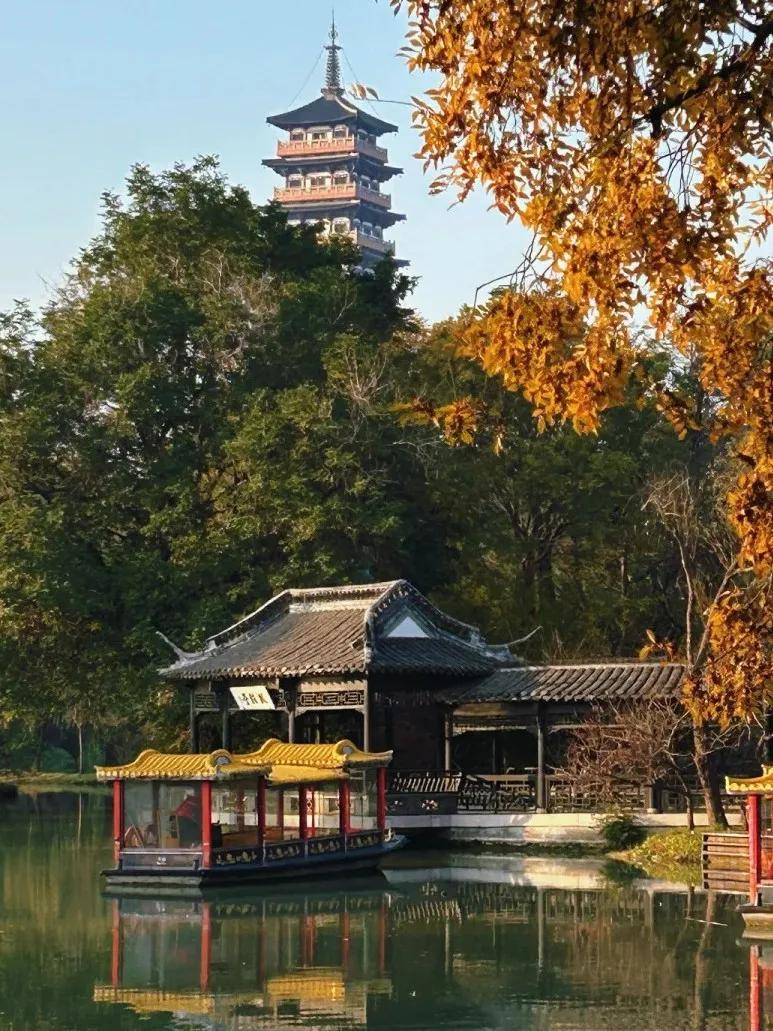
江苏曾经最牛的城市,与杭州 苏州齐名,为何如今沦落为三线城市
Sou Hu Cai Jing· 2025-12-10 18:14
Core Viewpoint - Yangzhou, once a prominent city in Chinese history, has seen a decline in its economic status, now classified as a "third-tier city," despite its rich cultural and tourism resources that hold potential for future development [3][7]. Economic History - Historically, Yangzhou was a significant economic center during the Song Dynasty, rivaling Hangzhou, and maintained a strong economic position through the Yuan, Ming, Qing, Republic of China, and early People's Republic of China periods [3]. - In 2018, Yangzhou's GDP was 546.617 billion yuan, placing it among the lower ranks in the Yangtze River Delta region [3]. Current Economic Challenges - The city has experienced economic stagnation in recent years, attributed to the shift in transportation modes such as air travel, high-speed rail, and maritime transport, which have contributed to its decline [3][5]. - Despite its advantageous geographical location and historical significance as a transportation hub, Yangzhou's economic growth has slowed, primarily due to challenges in industrial transformation [5]. Tourism Potential - Yangzhou possesses rich tourism resources, including UNESCO World Heritage sites and cultural landmarks, which, if effectively utilized, could lead to revitalization and growth [7]. - The city is characterized as "low-key," suggesting that its current status does not reflect a complete decline but rather an opportunity for potential development [7].

东北地区首个煤制天然气项目进入新阶段
Zhong Guo Xin Wen Wang· 2025-10-16 03:28
Core Viewpoint - The China Datang Fuxin coal-to-natural gas project has entered a new phase, marking a significant investment and development in Northeast China's energy sector, aimed at enhancing energy security and facilitating economic transformation in resource-depleted cities [1] Group 1: Project Overview - The project is the largest single investment in Fuxin's history and the first coal-to-natural gas demonstration project in Northeast China [1] - It utilizes self-developed technologies such as crushed coal pressurized gasification and high-efficiency methane catalytic conversion, with a domestic equipment rate exceeding 98% [1] Group 2: Environmental Impact - The project aims to convert low-quality coal, which has high carbon emission intensity and is difficult to utilize directly, into clean, low-carbon, and convenient natural gas [1]
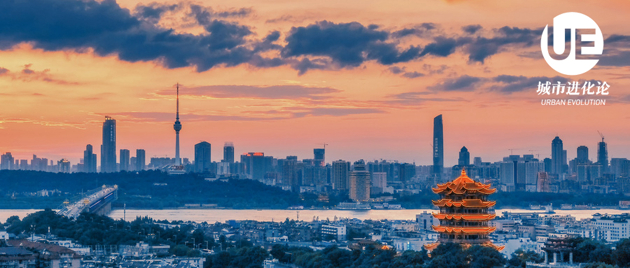
湖北“狂奔”,“龙头”为何跑慢了?
Mei Ri Jing Ji Xin Wen· 2025-07-30 15:23
Core Insights - Wuhan aims to achieve a GDP of 3 trillion yuan by 2030, emphasizing a deep transformation in investment attraction to enhance urban development capabilities [1] - In the first half of 2023, Wuhan's GDP reached 1,059.28 billion yuan, marking a 5.5% year-on-year growth, which is below the provincial average of 6.2% [1][2][6] - The city has faced challenges in maintaining its leading role in the province, as its growth rate has lagged behind other cities in Hubei [6][9] Economic Performance - Wuhan's GDP growth of 5.5% in the first half of 2023 is higher than the national average of 5.3% but lower than Hubei's growth rate [6][9] - The city's economic performance has been inconsistent, with previous years showing similar trends of underperformance compared to the provincial average [6][9] - Hubei's overall economic growth has been buoyed by cities like Yichang and Jingzhou, which have shown significant growth rates [9][12] Industrial Challenges - Wuhan's industrial sector is undergoing an adjustment period, particularly in the automotive industry, which has been impacted by the shift towards electric vehicles [12][14] - The city's second industry and industrial output growth rates are below national averages, indicating potential weaknesses in key economic sectors [12][14] Investment and Development Strategies - Wuhan is focusing on deepening investment attraction to enhance its economic capabilities, with high-tech industry investments growing by 5.8% in the first half of 2023 [15][20] - The city is encouraged to improve its business environment to attract more investments, learning from successful models like Hangzhou [17][20] - Strategies include enhancing logistics, domestic and international trade, and facilitating the flow of resources such as talent and capital [20]