
基层减负

Search documents
成安县减负从摘“牌子”入手
Xin Lang Cai Jing· 2026-02-27 04:57
Core Viewpoint - The article highlights the efforts of Cheng'an County to streamline administrative processes at the village level by reducing unnecessary signage and simplifying procedures for the public [1] Group 1: Administrative Streamlining - Cheng'an County has implemented a policy to reduce the number of signs at village offices, moving from multiple signs to a standardized format of "four signs and two identifiers" [1] - A total of over 1,700 non-compliant signs have been removed across 239 villages, achieving a reduction rate of more than 60% [1] Group 2: Improved Efficiency - The county has introduced mobile services, home visits, and full-service agency options to ease the burden on both grassroots workers and the public [1] - The volume of paperwork has significantly decreased, with officials noting a reduction from a large stack of documents to a few clear folders [1] Group 3: Enhanced Public Service - The changes aim to shift from a cumbersome process requiring citizens to run errands to a more efficient system where services can be accessed via mobile devices [1] - The overall goal is to reduce burdens, improve work styles, and enhance efficiency in public service delivery [1]
人民日报评论:“党政机关严控视频和PPT”,不仅是算经济账
Xin Lang Cai Jing· 2026-02-03 14:37
Core Viewpoint - The recent implementation of the "Implementation Measures for Strictly Saving and Opposing Waste by Party and Government Agencies in Zhejiang Province" aims to reduce the use of videos and PPTs in meetings, addressing both administrative cost and the political issue of "formalism on screens" [1][4]. Group 1: Administrative Cost and Formalism - The new regulation targets the excessive use of videos and PPTs, which have become tools for performance display rather than efficiency enhancement [1]. - There is a concern that some officials prioritize flashy presentations over substantive work, leading to a misalignment of performance evaluation criteria [1][4]. - The practice of outsourcing the production of visually appealing materials has resulted in significant waste of public funds [1]. Group 2: Performance Evaluation and Practical Measures - A shift in performance evaluation is necessary, moving away from "material thickness" and "presentation aesthetics" to focus on actual results and public satisfaction [4]. - Recent initiatives in places like Huzhou and Pinghu have shown promising results, with a 74.7% decrease in the production of public videos and presentations and an 82.2% reduction in associated costs [4]. - The overall goal is to eliminate the incentive for superficial performance and redirect focus towards genuine public service [4].


“实”字当头减负担增活力
Jing Ji Ri Bao· 2026-01-30 00:09
Core Viewpoint - The central government is committed to reducing formalism and alleviating burdens on grassroots levels, signaling a strong determination to improve work styles and ensure effective implementation of policies [1][2]. Group 1: Issues of Formalism - Formalism is characterized by superficial actions replacing substantive implementation, with examples including spending money for recognition on rankings and fabricating data while imposing unrealistic targets [1]. - The root causes of formalism include misaligned performance views and a lack of responsibility, leading to significant waste of public financial resources and demoralization of grassroots officials [1]. Group 2: Efforts to Combat Formalism - The government has initiated a series of measures, including declaring a "Year of Reducing Burdens on Grassroots," establishing special work mechanisms, and regularly reporting typical issues to combat formalism effectively [2]. - Despite notable progress, formalism remains persistent and can resurface, necessitating ongoing efforts to address these "old problems" [2]. Group 3: Importance of Addressing Formalism - The current context of economic and social development presents new challenges that require higher standards and capabilities from officials, emphasizing the need for practical solutions rather than formalistic responses [2]. - Addressing formalism is essential not only for changing work styles but also for enhancing effectiveness and promoting genuine development [2]. Group 4: Long-term Strategy - The fight against formalism is described as a long-term and ongoing battle, requiring continuous enforcement of regulations and the establishment of mechanisms for identifying and solving problems [3]. - Local governments and departments are encouraged to adapt strategies based on central directives while innovatively addressing local realities to foster development [3]. - The focus on practical results and a correct view of performance is crucial for mobilizing resources and achieving high-quality development during the critical phase of the "14th Five-Year Plan" [3].
海南省人大代表谈基层减负:让打印机“闲下来” 百姓笑脸多起来
Xin Lang Cai Jing· 2026-01-27 04:20
Core Viewpoint - The article highlights the challenges faced by community workers in Hainan Province, emphasizing the need for clearer responsibilities and reduced administrative burdens to enhance community service efficiency [1][2]. Group 1: Community Governance Challenges - Community governance suffers from unclear responsibilities and heavy burdens, which hinder effective service delivery [1]. - Hainan is exploring a task list approach to clarify responsibilities and reduce the administrative load on community workers [1]. Group 2: Strategies for Improvement - The community has identified over 40 non-community tasks to be transferred to relevant departments, alleviating pressure on community workers [1]. - Regular home visits are conducted, with over 400 households visited monthly to gather feedback directly from residents [1]. - Collaboration with police and enforcement departments has led to over 90% of resident complaints being resolved quickly within the community [1]. Group 3: Positive Outcomes and Recommendations - After reducing administrative burdens, community workers have more time to focus on serving residents, leading to quicker resolutions of local issues [2]. - The community has successfully addressed safety concerns and improved resident satisfaction through efficient coordination with relevant departments [2]. - Recommendations include institutionalizing these practices across the province and integrating various community resources to enhance governance efficiency [2].
卸下无谓负担 聚起实干力量
Xin Lang Cai Jing· 2026-01-24 22:39
Core Viewpoint - The article emphasizes the need to reduce burdens on grassroots levels by addressing formalism and bureaucratic practices, with a focus on streamlining data reporting and enhancing service efficiency for local governments [1][2][3]. Group 1: Data Reporting Reform - Guizhou is implementing a reform to simplify and optimize grassroots reporting by consolidating 95 forms and 1569 indicators into a single "one table" format, reducing the reporting burden significantly [1]. - The reform aims to shift from "requesting data from the grassroots" to "extracting data from the system," thereby improving efficiency and accuracy [1]. Group 2: Reduction of Bureaucratic Burdens - The provincial government has introduced measures to cut down on unnecessary meetings and paperwork, allowing local officials to focus more on serving enterprises and the community [2]. - A "three management and one evaluation" mechanism has been established to control the number of documents and meetings, enhancing the effectiveness of local governance [2]. Group 3: Continuous Improvement and Long-term Solutions - The initiative is not a one-time effort; it includes ongoing assessments and adjustments to ensure that burdens are continuously reduced and that local governments can operate more effectively [3]. - Local governments are encouraged to implement reforms that promote efficiency, such as the "one card" system for government canteens, which streamlines processes and reduces corruption [3]. Group 4: Empowering Local Officials - With reduced burdens, local officials are expected to dedicate more time to community service and development, enhancing their ability to address local needs [4]. - Training programs are being established to improve the skills of grassroots officials, ensuring they are well-equipped to serve their communities effectively [4]. Group 5: Future Outlook - The next five years are seen as critical for achieving socialist modernization, with an emphasis on fostering a correct view of performance among local officials [5]. - The article highlights the potential for grassroots officials to unleash their entrepreneurial spirit and focus on development, contributing to high-quality growth in the region [5].
贵州:“一张表”为基层“松绑”,让服务增效
Xin Lang Cai Jing· 2026-01-24 09:20
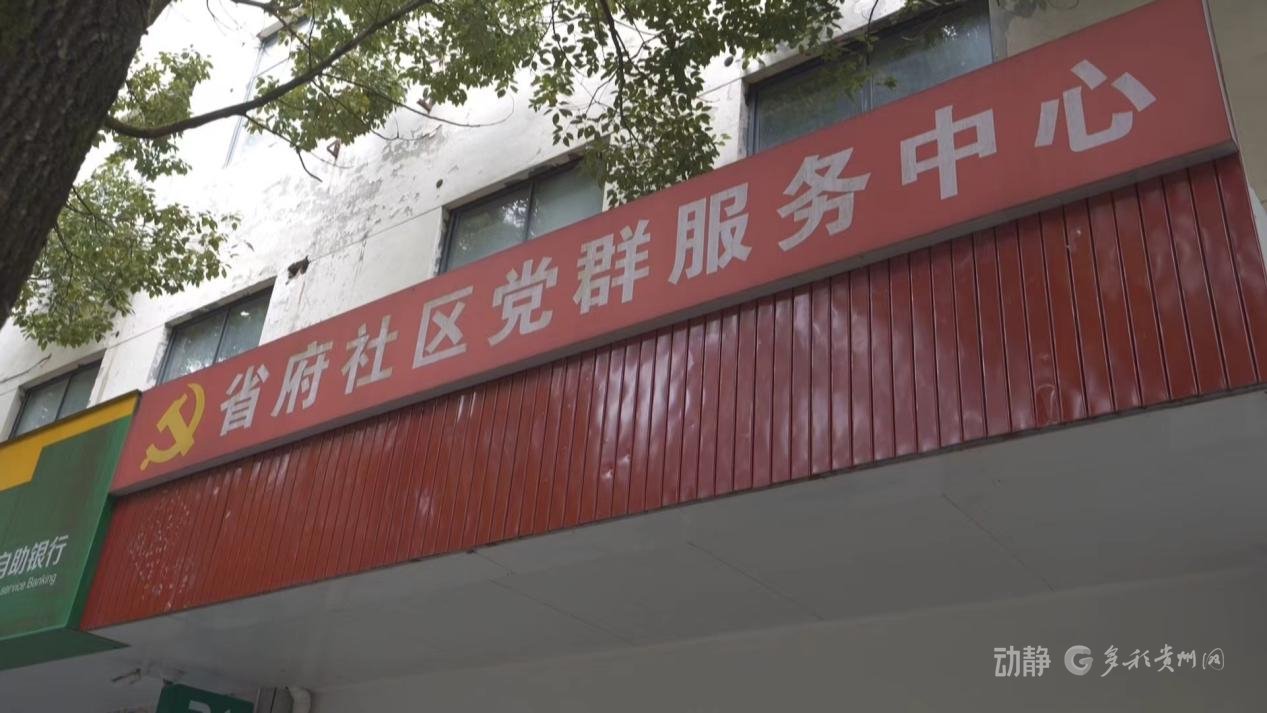
Core Viewpoint - The article discusses the implementation of a series of measures in Guizhou to reduce the burdens on grassroots officials, allowing them to focus more on serving the community and improving public services [1] Group 1: Background and Context - Grassroots officials previously spent excessive time on meetings, paperwork, and inspections, which detracted from their ability to serve the public effectively [1] - Guizhou's initiatives aim to clarify the responsibilities of grassroots officials while reducing unnecessary burdens [1] Group 2: Implementation of "One Table" System - The "One Table" system was launched in August 2024, significantly streamlining data collection and reporting processes for community workers [6] - In the provincial community, workers can now update resident information in minutes, a task that previously took half a day [3] Group 3: Time Savings and Efficiency - Community officials report that they can now fill out only one system instead of over 20 forms daily, freeing up to two-thirds of their time for resident services [8] - Officials have redirected 80% of their time to face-to-face interactions with residents, enhancing community engagement [8] Group 4: Impact on Community Services - The time saved from paperwork has been transformed into tangible community services, such as free haircuts and community sports events for the elderly [10] - Residents have noted improvements in service delivery, including prompt responses to maintenance requests and efficient processing of social security applications [12] Group 5: Broader Adoption and Results - The "One Table" system has been adopted in various regions, allowing for streamlined reporting across multiple departments and reducing the number of required indicators from 1,569 to 218 [18] - The system has been implemented in 37 departments, covering 53 towns and 618 villages, significantly alleviating the reporting burden on grassroots personnel [16]
AI岂是形式主义的“帮手”
Xin Lang Cai Jing· 2026-01-22 06:51
Core Viewpoint - The article discusses the increasing reliance of grassroots workers on AI for writing annual summaries, highlighting both the efficiency gains and the potential risks of superficiality and formality in these documents [1][2][3] Group 1: AI Utilization in Writing - Grassroots workers are turning to AI to enhance writing efficiency, allowing them to focus more on actual needs of the public [1] - There are concerns that over-reliance on AI could lead to a detachment from reality and a shift towards formalism in annual summaries [1] Group 2: Challenges in Summary Writing - The volume and similarity of required summary materials create a burden for grassroots workers, leading to a tendency to produce superficial content [2] - Even without AI, workers may resort to copying or patching together existing materials due to the overwhelming demands [2] Group 3: Quality of Summaries - A notable example of a successful grassroots summary is highlighted, where a village leader's straightforward and genuine approach resonated with the public, contrasting with typical formal summaries [2] - The article emphasizes that a grounded and authentic summary is more valuable than a template-driven one [2] Group 4: Policy Recommendations - Recent directives from central government bodies aim to reduce the burden on grassroots workers by addressing the issue of excessive and repetitive material requests [3] - The focus should shift from quantity to quality in evaluations, encouraging authentic engagement with the community rather than superficial reporting [3]
辽宁海城市花费近500万买进“百强县”榜单被中央通报!评选机构回应:正调查
Di Yi Cai Jing Zi Xun· 2026-01-21 07:49
Core Viewpoint - The central government is addressing formalism and reducing burdens on grassroots levels, highlighting issues with local governments spending excessively on consulting services to improve rankings on various lists [2][5]. Group 1: Financial Expenditures and Consulting Services - Haicheng City spent 4.98 million yuan on a consulting project with a ranking evaluation agency to improve its position on a "Top County" list [4]. - The consulting project failed to provide valuable development suggestions tailored to local conditions, and the project acceptance was merely formal [4]. - The ranking agency adjusted Haicheng's score from 118th to 91st by increasing subjective indicators during the 2025 ranking process [4][5]. Group 2: Implications of Rankings and Local Governance - Local governments are reportedly spending money to achieve rankings on lists like "Top Counties" and "Top Towns," which increases the financial burden on grassroots levels and encourages profit-seeking behavior from ranking agencies [5]. - Haicheng City was recognized as one of China's top counties, ranking 91st in the national county economic development list, which was included in its 2025 government work report [5]. Group 3: Company Background and Performance - The ranking agency, CCID Consulting, is the first publicly listed consulting firm in China, with a revenue of approximately 129 million yuan in the first half of 2025, reflecting a 7% year-on-year increase [8]. - The company's gross profit was about 76.79 million yuan, up 12% from the previous year, with a gross margin of 59% [8].

辽宁海城市花费近500万买进“百强县”榜单被中央通报!评选机构回应:正调查
第一财经· 2026-01-21 07:44
Core Viewpoint - The article discusses the issue of local governments, specifically Haicheng City in Liaoning Province, spending significant amounts of money to improve their rankings on various lists, such as the "Top 100 Counties" list, which has led to increased financial burdens and formalism in governance [5][6]. Group 1: Financial Expenditures and Rankings - Haicheng City spent 4.98 million yuan (approximately 0.5 million) on consulting services from a ranking evaluation agency to improve its position on the "Top 100 Counties" list [5][6]. - The evaluation agency, CAE Consulting, helped Haicheng City move from 118th to 91st place in the rankings by adjusting subjective scoring metrics [5][6]. - The project was criticized for not providing valuable development suggestions tailored to local conditions, and the acceptance of the project was merely a formality [5][6]. Group 2: Agency Response and Internal Investigation - CAE Consulting has stated that it is conducting an internal investigation regarding the issues raised and will report any findings publicly [7]. - The agency claims that its work has positively contributed to the development of counties and that the ranking-related research is a routine part of its business [7]. Group 3: Company Performance - CAE Consulting reported a revenue of approximately 129 million yuan for the first half of 2025, a 7% increase compared to the previous year [9]. - The company's gross profit was about 76.79 million yuan, up 12% year-on-year, with a gross margin of approximately 59% [9]. - The net profit for the company was around 42.99 million yuan, also reflecting a 12% increase from the previous year [9].

“眼睛向下看、力量往下沉”——山东威海出实招为基层“卸包袱”“加马力”
Xin Hua She· 2026-01-21 06:56
Core Viewpoint - The city of Weihai in Shandong Province has implemented various measures to alleviate the burdens on grassroots officials, receiving positive feedback from both officials and the public. The initiatives focus on reducing formalism and enhancing efficiency in local governance [1]. Group 1: Reducing Administrative Burdens - Weihai has introduced a "reduction burden QR code" to gather feedback from grassroots officials, which has been effective in identifying issues such as excessive documentation [2]. - The city has mandated a unified document issuance system to control the volume of paperwork sent to grassroots levels, resulting in a 20.7% year-on-year decrease in document volume by 2025 [2]. - The number of reports required from grassroots officials has been significantly reduced, with a reported 81.25% decrease in the total number of bulletins in the Wendeng District, leading to improved content quality [2]. Group 2: Clarifying Responsibilities - To address the confusion regarding responsibilities between townships and district departments, Weihai has established a regulatory team of 368 grassroots personnel to ensure clear accountability and rectify issues promptly, having identified over 30 problems to date [3]. - The city is prioritizing staffing for grassroots levels, reallocating 702 positions from city and county plans to support township operations, which has improved workforce adequacy and operational efficiency [3]. Group 3: Streamlining Data Reporting - Weihai has adopted a "one form" system to streamline data reporting, significantly reducing the frequency of requests for data submissions from higher authorities, thus lessening the administrative workload for grassroots officials [4].