
增值税简易计税

Search documents
取得董事费收入如何缴纳个人所得税?
蓝色柳林财税室· 2026-03-31 00:44
Group 1 - The income from director fees is classified as labor remuneration and is subject to individual income tax according to the regulations [2][4] - The taxation method for director fees applies only to individuals serving as directors or supervisors without being employed by the company [4] Group 2 - The article provides a reminder that the platform is unofficial and serves as a learning resource, not as a standard for tax payment [6] - The article encourages readers to engage in sharing learning experiences and outcomes [6]


企业所得税汇算清缴热点问答
蓝色柳林财税室· 2026-03-11 01:43
Group 1 - The core viewpoint of the article is that small and micro-profit enterprises can simultaneously enjoy tax incentives and R&D expense deductions, as per the relevant regulations [2] - The R&D expense deduction rate for general enterprises is set at 100% for expenses that do not form intangible assets and 200% for those that do, effective from January 1, 2023 [2] - Integrated circuit and industrial mother machine enterprises also follow the same R&D expense deduction rules as general enterprises, effective from January 1, 2023 [2] Group 2 - The announcement clarifies that enterprises can deduct R&D expenses from their taxable income, which is applicable from January 1, 2018, to December 31, 2027 [2]

2026年研考国家线公布!@准研究生们,提前了解个税相关政策→
蓝色柳林财税室· 2026-03-10 01:34
Core Viewpoint - The article discusses the differences in individual income tax deductions for full-time and part-time graduate students, highlighting the distinct standards and subjects for deductions based on the type of education pursued [2][3][4]. Full-time Graduate Students - Deduction Standard: Taxpayers can deduct education-related expenses for their children receiving full-time education at a standard rate of 2,000 yuan per month per child. This includes expenses for compulsory education, high school education, and higher education (associate, bachelor's, master's, and doctoral degrees) [3]. - Deduction Subject: Parents can choose to deduct 100% of the standard by one parent or split the deduction equally (50% each) between both parents. The chosen method cannot be changed within the same tax year [3]. Part-time Graduate Students - Deduction Standard: Taxpayers can deduct education expenses incurred during part-time studies at a standard rate of 400 yuan per month. This applies to continuing education for degrees [4]. - Deduction Subject: The primary subject for the deduction is the taxpayer themselves. For undergraduate and lower-level continuing education, the deduction can be claimed by the individual or their parents, but the same educational expense cannot be deducted twice [4].

大药企卖疫苗等生物制品 不再按3%简易计税
Sou Hu Cai Jing· 2026-02-08 17:01
Core Viewpoint - The simplified tax policy for biological products, including vaccines, will be canceled starting this year, with a transition to general tax calculation methods by 2026, impacting the tax burden on related enterprises [1][2][3]. Group 1: Tax Policy Changes - The simplified tax rate of 3% for biological products will no longer apply from this year, as stated in the recent announcement by the Ministry of Finance and the State Administration of Taxation [1][2]. - From January 1, 2026, general taxpayers selling biological products will need to determine applicable tax rates based on specific product types, moving away from the simplified tax method [2][3]. - The announcement specifies that the simplified tax policy for biological products will cease, aligning with the broader changes in the VAT law [1][3]. Group 2: Impact on Enterprises - The cancellation of the simplified tax policy may lead to increased tax burdens for some biological product enterprises, particularly those with insufficient input tax credits [5]. - Companies with well-established supply chains and sufficient input tax deductions may see a balanced or reduced tax burden under the general tax method [5]. - Enterprises are advised to reassess their supplier and customer relationships and adjust pricing strategies to adapt to the new tax policy [5][6]. Group 3: Retained Tax Benefits - Certain biological products, such as anti-cancer drugs and rare disease medications, will continue to benefit from the 3% simplified tax rate until December 31, 2027 [6]. - The announcement outlines four specific policies that will remain effective for these products, ensuring continued support for critical healthcare needs [6].
大药企卖疫苗等生物制品不再按3%简易计税
第一财经· 2026-02-08 08:08
Core Viewpoint - The article discusses the cancellation of the simplified VAT policy for biological products, including vaccines, effective from 2026, which will require companies to adopt a general taxation method instead of the previous 3% simplified rate [3][4]. Summary by Sections VAT Policy Changes - The Ministry of Finance and the State Administration of Taxation announced that the simplified VAT policy for biological products will no longer be applicable starting this year, as outlined in the recent announcement [3][4]. - Previously, companies could choose to calculate VAT based on a 3% rate on sales of biological products, but this option will be removed [5]. Impact on Companies - Experts indicate that leading companies with well-established supply chains may not see an increase in tax burden, while smaller companies with insufficient input tax credits may face higher taxes [7]. - Companies are advised to reassess their supplier and customer relationships and adjust pricing strategies in response to the new tax policy [7][8]. Recommendations for Businesses - It is recommended that companies in the biological products sector conduct an immediate assessment of the tax burden impact, optimize supplier selection, and ensure compliance with VAT invoicing [7]. - Companies should also consider the tax burden changes in product pricing and contract negotiations with downstream clients [7]. Exceptions to the Policy - Certain biological products, such as anticancer drugs and rare disease medications, will still retain the simplified 3% VAT policy until the end of 2027 [8][9].
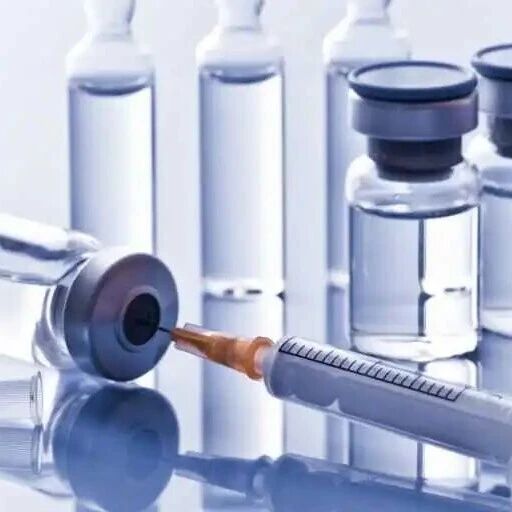
大药企卖疫苗等生物制品不再按3%简易计税,有何影响?
Di Yi Cai Jing· 2026-02-08 03:09
Core Viewpoint - The cancellation of the simplified VAT policy for biological products, effective from this year, will impact the tax burden of related enterprises, particularly those with insufficient input tax credits, potentially leading to increased tax liabilities [1][2][5]. Group 1: Policy Changes - The Ministry of Finance and the State Administration of Taxation announced the cancellation of the simplified VAT policy for biological products, which allowed companies to calculate VAT at a rate of 3% based on sales revenue [1][2]. - From January 1, 2026, general taxpayers selling self-produced biological products will no longer be able to use the 3% simplified tax rate and must determine the applicable tax rate based on the specific type of biological product [2][3]. Group 2: Impact on Enterprises - The cancellation of the simplified VAT policy may lead to an increase in tax burdens for some biological pharmaceutical companies that lack sufficient input tax credits, while leading companies with complete supply chains may see a balanced or reduced tax burden [5]. - Companies are advised to quickly assess their supplier and customer situations and adjust pricing mechanisms to adapt to the changes in tax policy [5]. Group 3: Recommendations - It is recommended that biological product manufacturers and operators conduct an immediate assessment of the tax burden impact, optimize supplier selection, and ensure compliance in obtaining VAT invoices [5]. - Companies should consider the changes in tax burden when pricing products and signing contracts, and maintain communication with downstream customers [5]. Group 4: Exceptions - Certain biological products, such as anti-cancer drugs and rare disease medications, will still retain the 3% simplified VAT policy until December 31, 2027, as specified in the recent announcement [6].