
外卖行业规范化

Search documents
外卖骑手 如何才能慢下来?
Shang Hai Zheng Quan Bao· 2026-01-10 13:55
Core Viewpoint - The implementation of the new national standard for electric bicycles and the basic requirements for delivery platforms aims to enhance rider safety while raising concerns about potential income reductions for over 10 million delivery riders in China [1][2][3]. Group 1: New Regulations and Their Implications - The new national standard (GB 17761—2024) limits the maximum speed of electric bicycles to 25 km/h, while the basic requirements mandate an average speed of no more than 15 km/h for deliveries [7][8]. - The regulations are seen as necessary adjustments to improve rider safety, addressing the high incidence of traffic accidents in the delivery industry [5][4]. - Riders express support for the new regulations but emphasize the need for systemic changes in delivery rules, pricing structures, and assessment standards to ensure their income is not adversely affected [8][21]. Group 2: Impact on Riders' Income - Riders like Wang Wei estimate that limiting speed to 25 km/h could reduce their daily order volume by one-third, potentially halving their income [12][20]. - The current income model is under pressure, with many riders feeling that the delivery fees have decreased over time, exacerbating their financial concerns [20][19]. - The industry is characterized by intense competition, with platforms focusing on cost-cutting and speed, which may not align with the new safety regulations [17][18]. Group 3: Industry Dynamics and Future Outlook - The delivery industry is undergoing a transformation, with a shift from a focus on speed and low prices to a more balanced approach that includes safety and service quality [22]. - The new regulations are intended to address issues such as "ghost deliveries" and inadequate rider rights, promoting a healthier industry ecosystem [21][22]. - However, there is skepticism about the platforms' willingness to implement substantial changes, as many have yet to take significant action following the announcement of the new standards [23][24].
特讯!美团京东淘宝同时声明:自愿执行国标,引发各界关注
Sou Hu Cai Jing· 2025-12-05 21:10
Core Viewpoint - The takeaway from the news is that the food delivery industry in China is transitioning from a phase of chaotic growth to a new stage of refined governance, marked by the implementation of a national standard aimed at addressing long-standing issues within the industry [1][5]. Group 1: Industry Changes - Major food delivery platforms such as Taobao Flash Purchase, Meituan, and JD Delivery have committed to adhering to the newly issued national standard by the State Administration for Market Regulation, signaling the end of the "chaotic growth" era [1]. - The new standard, effective from December 4, 2025, is the first national standard introduced by the platform economy governance committee, highlighting its significance in reshaping the industry landscape [1]. - The standard addresses various industry pain points, including the prevalence of "ghost deliveries," intense price wars, and the lack of protection for delivery personnel [1]. Group 2: Specific Provisions of the Standard - In terms of merchant management, the new regulations require merchants to provide a "one-shot" video with precise store location, which will significantly reduce the space for "ghost deliveries" and protect consumer rights [1]. - The standard introduces a transparent fee structure for platforms, categorizing charges into technology service fees, delivery service fees, and promotional service fees, thereby fostering stable and trustworthy relationships between merchants and consumers [2]. - The standard includes explicit provisions for the protection of delivery personnel's rights, mandating reasonable order acceptance times and the establishment of effective fatigue alerts and mandatory rest mechanisms [4]. Group 3: Industry Consensus and Future Outlook - The collective response from the three major platforms indicates a strong consensus within the industry regarding the need for standardized development, moving away from previous practices of price wars and subsidies [4]. - Experts believe that the implementation of this standard is a crucial step towards promoting healthy development in the food delivery industry, improving working conditions and compensation for delivery personnel [5]. - The market regulation authority has expressed intentions to enhance the promotion and application of the standard, encouraging platforms to actively publish execution statements and fostering a combination of industry self-discipline and social oversight [7]. Group 4: Implementation and Impact - The successful execution of the standard will depend significantly on the platforms' self-discipline and effective supervision from society, with the platforms having participated deeply in the standard's formulation [5][9]. - The industry is expected to shift from a focus on traffic-driven models to service-driven approaches, enhancing service quality, compliance levels, and ecological health [4][9]. - The standard's effective implementation is anticipated to optimize the industry ecosystem, ultimately benefiting consumers and practitioners alike, as the industry moves towards sustainable development [11].



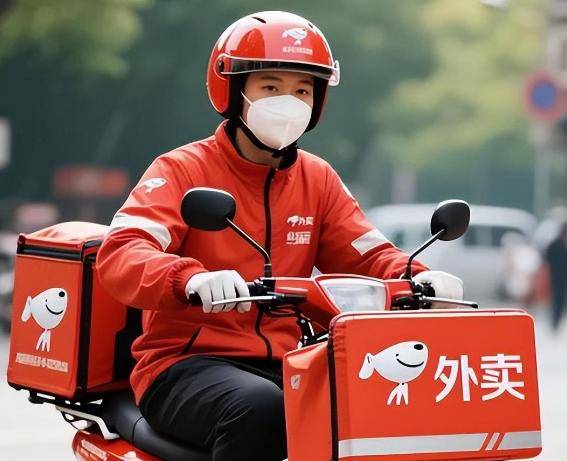
外卖服务管理新国标发布 美团京东表态:自愿执行
Feng Huang Wang· 2025-12-05 03:36
Core Viewpoint - The release and implementation of the national standard "Basic Requirements for Service Management of Takeaway Platforms" (GB/T46862—2025) marks a significant milestone in the standardization process of the takeaway industry, with major platforms like Meituan and JD Takeaway committing to comply with the new regulations [1] Group 1: Industry Response - Major platforms Meituan and JD Takeaway have publicly announced their commitment to implement the new national standard, confirming their deep involvement in its formulation and discussion [1] - Both platforms expressed agreement with the principles established in the standard, which emphasize fair competition and strict adherence to food safety [1] Group 2: Implementation and Future Outlook - Meituan and JD Takeaway plan to integrate the standard's requirements into their existing operational management and service processes, aiming to enhance the management of merchants and delivery personnel [1] - The commitment from these platforms indicates a shift towards a more regulated and rational competitive environment in the takeaway industry, promoting high-quality and sustainable development while ensuring a fair market [1]