
外资品牌中资接盘

Search documents
中资密集接盘麦当劳星巴克汉堡王
第一财经· 2025-11-14 11:07
Core Viewpoint - The article discusses the trend of foreign brands in China, particularly in the food and beverage sector, increasingly partnering with Chinese investors or selling stakes to adapt to the competitive landscape and optimize growth strategies [3][4]. Group 1: Market Dynamics - Costa Coffee is reportedly in discussions for acquisition by Luckin Coffee's major shareholder, Dazhong Capital, indicating a shift in ownership dynamics in the coffee market [3][4]. - Starbucks has formed a joint venture with Boyu Capital to operate its retail business in China, with Boyu holding up to 60% of the joint venture [4]. - Major international brands like Domino's, McDonald's, and Burger King are restructuring their operations in China by introducing Chinese shareholders and relinquishing control, reflecting a broader trend of "risk outsourcing" in a saturated market [4][9]. Group 2: Expansion Strategies - Yum Brands, the parent company of KFC and Pizza Hut, sold its China operations to Primavera Capital and Ant Financial in 2016, leading to significant growth in KFC's store count, which increased by 992 stores to a total of 12,600 by Q3 2025, with nearly 40% located in lower-tier cities [6][7]. - McDonald's, after a strategic partnership with CITIC Capital, has expanded its presence to over 7,100 stores in China, tripling its store count in eight years, with a focus on lower-tier cities [7][8]. - The rapid expansion of McDonald's includes an opening rate of 2-3 new stores daily, with a target of reaching 10,000 stores by 2028 [7][8]. Group 3: Local Adaptation - The management structure of McDonald's has shifted to a localized board, allowing for quicker decision-making and better adaptation to the Chinese market [8]. - Local sourcing and supply chain optimization are emphasized to enhance operational efficiency and responsiveness to market demands [8]. - The trend of foreign brands partnering with local capital is seen as a way to mitigate risks and leverage local market knowledge, rather than merely a move towards localization [9][10]. Group 4: Competitive Landscape - Starbucks faces intense competition from local brands like Luckin Coffee, which reported a net revenue of 12.36 billion RMB in Q2 2025, a 47.1% year-on-year increase, surpassing Starbucks for the first time [15][16]. - The rise of fast coffee brands has eroded Starbucks' traditional market advantages, prompting the company to adopt promotional strategies to remain competitive [10][16]. - The article highlights that many international brands are transitioning from being dominant players to facing challenges as local brands gain market share and consumer loyalty [10][11].


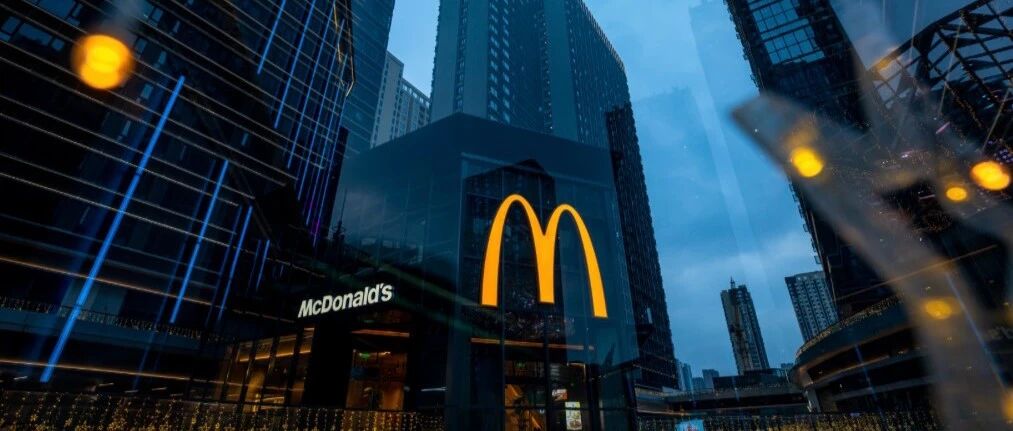
洋品牌卖股权复盘:一招鲜打遍全球哑火 引中资狂飙下沉市场
Di Yi Cai Jing· 2025-11-14 09:14
星巴克中国之后,COSTA咖啡也与中国买家联系在一起。据外媒报道,瑞幸咖啡的大股东大钲资本被 指有意竞购Costa咖啡,相关讨论尚处于早期阶段。 不过记者向大钲资本方面求证,后者未对市场传言作出回应。 在此之前,星巴克刚刚宣布与博裕投资成立合资企业,共同运营星巴克在中国市场的零售业务,博裕投 资将持有合资企业至多60%股权。而在本周,CPE源峰也宣布与汉堡王的股东成立合资企业,交易完成 后持有汉堡王中国约83%股权。 从达美乐,麦当劳,星巴克到汉堡王,多家国际巨头都在通过引入中资股东、出让控股权等方式,重塑 在华发展路径。这一趋势的背后,是外资品牌在存量竞争时代对"风险外包"与增长效率的权衡。 "卖身"后狂飙下沉市场 最早将中国业务"卖身"中资的是百胜集团。2016年,肯德基、必胜客等品牌的母公司百胜,将其中国业 务出售给春华资本集团及蚂蚁金融服务集团。 在此之后的几年,百胜中国稳步发展,并向下沉市场扩张。2025年前3季度,肯德基净增992家店,共 1.26万家。其中,三线及以下城市门店占比近4成。百胜中国旗下的肯悦咖啡也在开拓下沉市场,截至 2025年三季度,其门店总数已经突破了1800家。 2017年, ...
