多元供应

Search documents
广汽亏损近90亿元后,电池采购先变天?
高工锂电· 2026-03-30 13:35
Core Viewpoint - GAC Group reported a significant decline in both revenue and profit for 2025, indicating challenges in maintaining sales and profitability amidst a competitive market environment [4][6][22]. Financial Performance - In 2025, GAC Group achieved a revenue of 95.662 billion yuan, a year-on-year decrease of 10.43% [4]. - The net profit attributable to shareholders turned from a profit of 0.824 billion yuan in 2024 to a loss of 8.784 billion yuan in 2025 [4]. - The gross margin for vehicle manufacturing decreased by 9.53 percentage points, resulting in a negative margin of -7.35% [4]. Sales Performance - GAC Group's total sales volume for 2025 was 1.7215 million units, down 14.06% year-on-year [6]. - Specific brand performances included a 25.22% decline in GAC Honda sales (351,900 units), over 20% declines for both Trumpchi and Aion, while GAC Toyota saw a slight increase of 2.44% [7]. Industry Context - Despite the overall growth in China's new energy vehicle market, GAC Group's new energy vehicle sales fell by 4.64% to 433,600 units [8]. - The company's operational challenges are reflected in its inability to sustain sales volume and manage fixed costs effectively [9]. Supply Chain and Battery Procurement - GAC Group has maintained a diverse battery supply chain, collaborating with multiple suppliers such as CATL, EVE Energy, and others [10][11]. - The strategy of diversifying suppliers aims to balance dependency on single manufacturers while enhancing negotiation power and supply security [12]. Operational Challenges - The increasing complexity of managing multiple suppliers has led to higher system coordination costs, particularly for a company facing negative gross margins [14]. - GAC Group's previous tolerance for redundancy in its supply chain is now under scrutiny as it seeks to improve efficiency and cost control [14]. Future Strategies - GAC Group is not abandoning its self-research initiatives, with significant investments in battery production and energy services [15][18]. - The company has signed a 10-year cooperation agreement with CATL, extending beyond procurement to include smart chassis and battery leasing [18]. Competitive Landscape - GAC Group's competitors, such as Geely and Leap Motor, are consolidating their battery operations to reduce complexity and enhance internal collaboration [17]. - The competitive pressure in the market is prompting GAC Group to adopt aggressive pricing strategies, as seen with GAC Toyota's recent product launches [25][26].



全面收割开始!特朗普禁令颁布,不准7国购俄石油,是时候算总账
Sou Hu Cai Jing· 2026-01-09 11:14
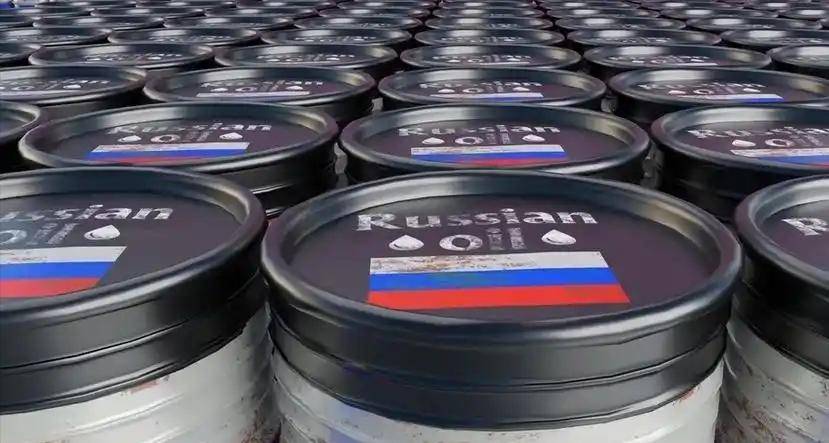
Core Viewpoint - The U.S. is intensifying sanctions against Russia by targeting seven major countries that continue to purchase Russian oil, including China, India, and Brazil, with a focus on legislative measures to enforce these restrictions [1][3][5]. Group 1: U.S. Sanctions Strategy - The U.S. aims to disrupt Russia's cash flow by pressuring these seven countries to reduce or cease their oil imports from Russia [5][9]. - The strategy involves not only financial sanctions but also potential tariffs on countries that do not comply with the new restrictions [5][9]. - Historical precedents, such as sanctions against Iran and Venezuela, illustrate the U.S. approach of combining energy issues with financial and trade pressures to create a costly dilemma for targeted nations [5][11]. Group 2: Global Energy Market Dynamics - Russia has shifted its focus to Asian and Global South countries for oil exports, with China and India absorbing significant portions of its oil supply [3][9]. - The U.S. seeks to position itself as a reliable alternative supplier by capitalizing on any Russian oil supply disruptions, promoting its own oil and gas exports [5][7]. - The competition for energy market dominance is not merely about sanctions but also about establishing pricing power and influence over global energy transactions [7][19]. Group 3: China's Position and Response - China has firmly opposed unilateral sanctions imposed by the U.S., emphasizing the importance of maintaining normal energy cooperation with Russia [17][22]. - As the world's largest energy importer, China's role is critical for many oil-exporting countries, making it a key player in the global energy landscape [19][23]. - China's strategy focuses on ensuring energy security, diversifying supply sources, and maintaining control over critical resources to avoid dependency on any single country [23][25].
人民币结算铁矿石激战升级,澳总理强烈反应,中国态度坚决不妥协
Sou Hu Cai Jing· 2025-10-19 02:12
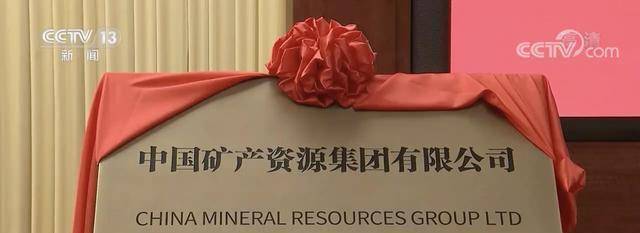
Core Viewpoint - The recent halt of iron ore orders by China Mineral Resources Group from Australia signifies a shift in power dynamics in the iron ore market, indicating a potential change in pricing and supply chain control [1][5][12]. Group 1: Market Dynamics - In 2025, Australia's annual iron ore exports to China are valued at AUD 116 billion, yet the pricing power remains with Australian companies, highlighting a disparity in negotiation strength [3][5]. - Chinese steel mills have historically faced challenges due to fragmented purchasing strategies, allowing Australian miners to maintain control over pricing [3][5]. - The establishment of the China Mineral Resources Group in 2022 consolidated procurement, enhancing negotiation power and reducing the historical fragmentation among Chinese steel producers [5][12]. Group 2: Supply Chain Changes - China's iron ore imports from Australia exceeded 700 million tons in 2023, with similar expectations for 2025, indicating a strong bargaining position due to volume [5][6]. - New supply sources are emerging, such as the Simandou project in Guinea, which is expected to produce 120 million tons annually by the end of 2025, and increasing contributions from Brazil and Russia [6][9]. - The shift towards a diversified supply chain is gradually diminishing Australia's monopoly in the iron ore market [6][12]. Group 3: Currency and Settlement - The iron ore trade, valued at over USD 200 billion annually, has traditionally been settled in USD, but there is a growing push from China to use RMB, aiming to reduce reliance on the dollar [8][10]. - An agreement was reached on October 9, 2025, for 30% of spot trades to be settled in RMB, marking a significant shift in trade practices [9][10]. - The transition to RMB settlement could potentially save China USD 20 billion annually in exchange losses, reinforcing the domestic industrial chain [8][10]. Group 4: Historical Context and Future Outlook - The historical trade relationship between Australia and China, which began over a century ago, is at a turning point with the recent developments in trade practices and currency usage [1][12]. - The ongoing changes in the iron ore market reflect broader shifts in global commodity trading, with implications for future trade dynamics and currency preferences [10][12]. - The competitive landscape is evolving, and the ability to adapt to these changes will determine the future success of both Australian and Chinese stakeholders in the iron ore market [14].