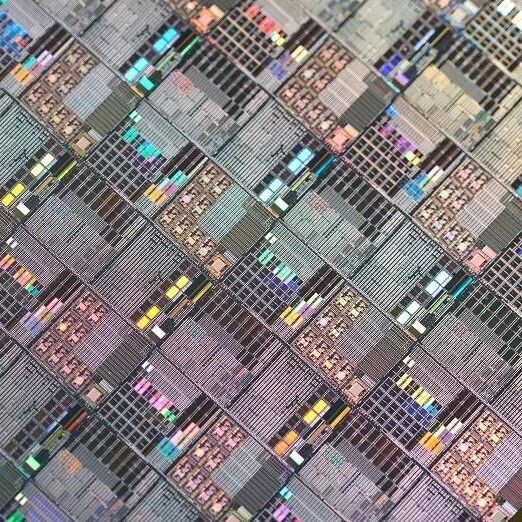
多芯片组件

Search documents
2纳米被疯抢的原因
半导体行业观察· 2026-02-05 01:08
Core Insights - The introduction of 2nm and more advanced process nodes will require new power consumption and thermal management methods, while also providing greater design flexibility and more options for performance enhancement and cost optimization [2] - The semiconductor market is evolving, with a shift from traditional low-power chips for mobile devices and high-performance chips for servers to more specialized applications driven by artificial intelligence [2][3] - The transition to multi-die components allows for prioritization of different processors and functionalities, simplifying emergency plans during component shortages [2][3] Group 1: Design and Manufacturing Challenges - The complexity of integrating various components in chipsets is significant, as designing and manufacturing chipsets is easier than integrating them [4] - A hybrid design approach allows for the combination of different standard cells, enhancing flexibility and performance while managing power consumption [5] - The interconnect technology between chips has improved, allowing for the mixing of different process nodes, which helps mitigate cost and yield challenges [6] Group 2: Performance and Power Management - The performance and power advantages of new nodes are not absolute; the real value lies in how close the system can approach the physical limits of silicon [7] - The economic benefits of 2nm technology depend on intelligent management of the power band, as excessive power bands can lead to wasted investments [7] - The trend of increasing power density with each new node presents challenges in thermal management, necessitating advanced cooling solutions [11][12] Group 3: Market Dynamics and Future Directions - The reasons for upgrading to higher process nodes are no longer based on a single factor but vary by market segment and workload [15] - The integration of multiple nodes in a single design is becoming more common, with new PPA/C trade-offs to balance priorities in large systems [15] - The semiconductor industry is at a turning point, requiring continuous management of correctness rather than assuming everything is normal at acceptance [10]