大模型赋能

Search documents
AI智能体如何重构B2B电商客服?数商云智能客服系统实战解析
Sou Hu Cai Jing· 2026-01-12 01:55
Group 1 - The article discusses the challenges and advancements in B2B service delivery, highlighting the need for both standardized processes and personalized services [2] - AI agents utilize user profiling and dynamic decision trees to provide tailored services, resulting in an 18% increase in repurchase rates for an electronic components platform [2] - The implementation of a decision tree model has improved the prioritization of urgent work orders by 30% for an MRO platform [2] Group 2 - Knowledge extraction from product manuals and technical documents has enabled a steel e-commerce platform to convert 200,000 documents into searchable knowledge nodes [3] - Knowledge reasoning using Graph Neural Networks (GNN) has increased the technical consultation resolution rate from 65% to 85% for a semiconductor platform [3] Group 3 - The transition from manual responses to AI collaboration in technical consulting has been exemplified by an MRO platform's supply chain optimization [4] - Digital employees utilizing RPA (Robotic Process Automation) have automated end-to-end processes such as work order handling and contract generation [4] Group 4 - Smart quoting integrated with ERP systems has reduced the quoting cycle from 2 days to 10 minutes for an electronic components platform [5] - Demand forecasting has improved cross-selling success rates by 22% for a chemical platform through analysis of inquiry content and historical transaction data [5] - Multi-turn dialogue capabilities have increased the technical consultation resolution rate from 70% to 88% for a robotics platform [5] - Remote assistance using AR technology has decreased on-site service visits by 40% for a medical device manufacturer [5] - Knowledge base linkage has reduced the average time for technical consultations from 25 minutes to 8 minutes for an aerospace components platform [5] Group 5 - Smart work order allocation has improved processing efficiency by 35% for a logistics equipment platform by matching service resources based on various criteria [5] - Predictive maintenance has halved equipment downtime for an energy equipment manufacturer by providing early warnings and maintenance recommendations [5] - Customer satisfaction has risen to 88 points, with response times reduced from 2 hours to 15 minutes and problem resolution rates increased from 72% to 89% [5] - The annual procurement frequency has increased by 1.5 times, leading to a 12% rise in repurchase rates through personalized recommendations and demand forecasting [5] - Work order processing time has been shortened to 8 hours, with AI improving manual processing efficiency by three times [5] - Customer churn rate has decreased to 8%, with a 40% increase in customer retention through predictive maintenance and proactive services [5] - Supply chain costs have been reduced by 20 million yuan per year by minimizing emergency stock and on-site service visits [5] Group 6 - The integration of large models with hundreds of billions of parameters has enhanced the understanding and generation capabilities for complex issues [5]


艾瑞咨询:2025年中国营销智能体研究报告
Sou Hu Cai Jing· 2025-11-04 14:11
Core Insights - The report by iResearch focuses on the development of marketing intelligence agents, which utilize generative AI or machine learning algorithms to automate marketing tasks, highlighting their transformative value in the marketing sector [1] Group 1: Development Background - The global marketing environment is undergoing three significant changes: accelerated iteration of platform advertising rules, increased privacy regulations, and rising digital marketing investments, with digital channels expected to account for 61.1% of marketing spend by 2025 [8][12] - Chinese companies face challenges in overseas marketing due to cultural differences, complex channels, compliance, and cross-border payment issues, which marketing intelligence agents can help address through multilingual content generation and compliance checks [13][15] Group 2: Technological Evolution - Marketing tools have evolved from single advertising platforms to intelligent agents capable of market insights, content generation, ad optimization, and performance reporting, enabling cross-channel automation [10][24] - The key capabilities of marketing intelligence agents include market insights, content generation, ad optimization, and performance evaluation, which collectively enhance marketing efficiency and decision-making quality [24] Group 3: Industry Ecosystem - The ecosystem consists of upstream technology providers (both domestic and international), advertising channels, midstream toolchain companies, and downstream sectors focusing on cross-border e-commerce, brands, and gaming [1][32] - Major players in the ecosystem include domestic models like Wenxin Yiyan and international models like ChatGPT, with advertising channels such as Douyin and Google Ads serving as platforms for deployment [1][32] Group 4: Business Models - The primary business models in this sector include revenue sharing from ad placements, subscription models, and value-added services such as creative production and consulting [1][29] - The market for intelligent marketing agents in China is expected to exceed 100 billion yuan by 2030, indicating significant growth potential [1] Group 5: Benchmark Cases - Notable examples of marketing intelligence applications include Meta's Advantage+ automated advertising product, which streamlines the entire shopping and app advertising process, and Tiandong Technology's Navos marketing AI Agent, which optimizes market analysis and ad placement [1][15]

华为车BU招聘(端到端/感知模型/模型优化等)!岗位多多~
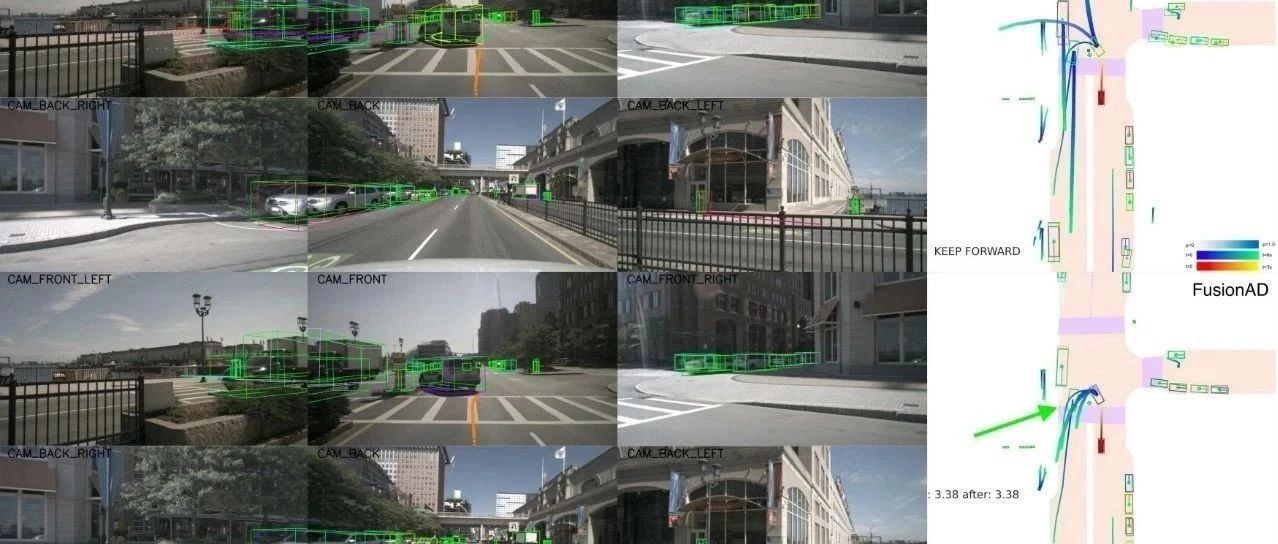
自动驾驶之心· 2025-06-24 07:21
Core Viewpoint - The article emphasizes the rapid evolution and commercialization of autonomous driving technologies, highlighting the importance of community engagement and knowledge sharing in this field [9][14][19]. Group 1: Job Opportunities and Community Engagement - Huawei is actively recruiting for various positions in its autonomous driving division, including roles focused on end-to-end model algorithms, perception models, and efficiency optimization [1][2]. - The "Autonomous Driving Heart Knowledge Planet" serves as a platform for technical exchange, targeting students and professionals in the autonomous driving and AI sectors, and has established connections with numerous industry companies for job referrals [7][14][15]. Group 2: Technological Trends and Future Directions - The article outlines that by 2025, the focus will be on advanced technologies such as visual large language models (VLM), end-to-end trajectory prediction, and 3D generative simulations, indicating a shift towards more integrated and intelligent systems in autonomous driving [9][22]. - The community has developed over 30 learning pathways covering various subfields of autonomous driving, including perception, mapping, and AI model deployment, which are crucial for industry professionals [19][21]. Group 3: Educational Resources and Content - The knowledge platform offers exclusive rights to members, including access to academic advancements, professional Q&A sessions, and discounts on courses, fostering a comprehensive learning environment [17][19]. - Regular webinars featuring experts from top conferences and companies are organized to discuss practical applications and research in autonomous driving, enhancing the learning experience for participants [21][22].