大稳健时期(Great Moderation)

Search documents
美联储主席概率最大人选——沃什政策主张的一场对话:通胀是美联储的一种选择
美股IPO· 2026-01-30 02:19
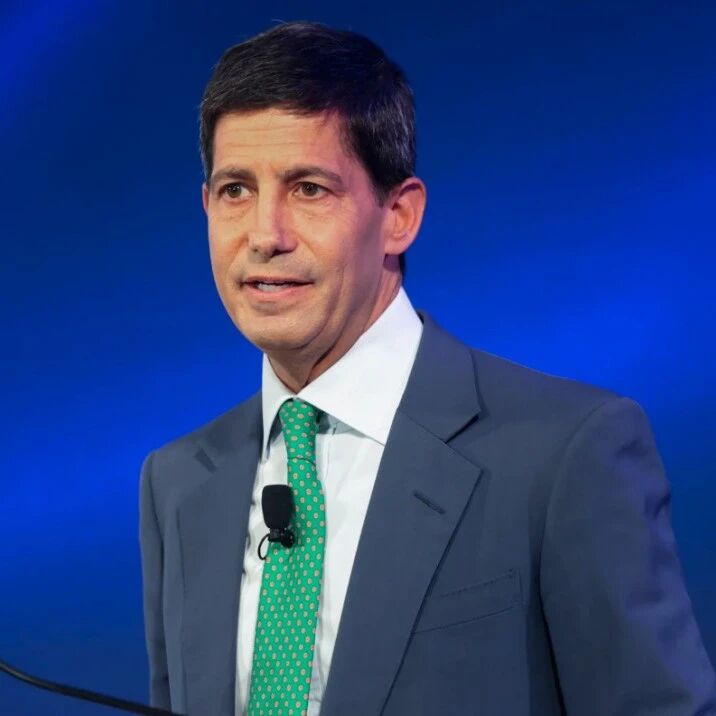
Core Viewpoint - Kevin Warsh argues that inflation is a choice made by the Federal Reserve, not a result of external factors, and emphasizes the need for reform rather than a complete overhaul of the Fed's structure [3][7][8]. Group 1: Inflation and Monetary Policy - Warsh criticizes the Fed for its complacency during the "Great Moderation" period, believing it led to an overextended balance sheet and the current inflation crisis [3][8]. - He asserts that the Fed has the power to control price levels and should not blame external factors like supply chain issues or geopolitical events for inflation [3][7]. - Warsh proposes that reducing the Fed's $7 trillion balance sheet could create room for lower interest rates, which he views as essential for the economy [4][10]. Group 2: Reform Proposals - Warsh advocates for a "restoration" of the Fed's core mission to maintain price stability, rather than a revolutionary change [8][12]. - He emphasizes the need for a clear division of responsibilities between the Fed and the Treasury, suggesting a new agreement to delineate their roles [12][13]. - He describes his approach as "pragmatic monetarism," focusing on controlling inflation through balance sheet reduction [4][10]. Group 3: Critique of Quantitative Easing - Warsh supports the initial quantitative easing (QE1) during the 2008 crisis but strongly opposes the continuation of QE during stable economic periods, arguing it fosters asset bubbles [9][62]. - He believes that the Fed's actions have blurred the lines between fiscal and monetary policy, leading to excessive government spending [13][70]. - Warsh warns that treating every period as a crisis has led to a more interventionist Fed, which he views as dangerous [70][71]. Group 4: Economic Outlook - Despite his criticisms, Warsh is optimistic about the U.S. economy, citing potential productivity growth driven by AI and deregulation [4][14]. - He envisions a resilient economy if policies return to rationality, reminiscent of the productivity boom in the 1980s [4][14].

最能体现沃什政策主张的一场采访:通胀是美联储的一种选择
Hua Er Jie Jian Wen· 2025-12-16 03:29
Core Viewpoint - Kevin Warsh, a potential successor to the Federal Reserve Chair, criticizes the current Fed's policies and suggests significant reforms to address inflation, which he claims is a result of poor policy choices rather than external factors [1][5][20]. Group 1: Warsh's Critique of the Federal Reserve - Warsh argues that inflation is a choice made by the Federal Reserve, emphasizing that the central bank has the power to control price levels [5][20]. - He criticizes the Fed's complacency during the "Great Moderation" period, suggesting that the failure to reduce the balance sheet led to the current inflation crisis [1][5]. - Warsh believes that the Fed has deviated from its core mission of maintaining price stability and has engaged in excessive monetary interventions [5][20]. Group 2: Proposed Reforms - Warsh advocates for a "restoration" of the Federal Reserve rather than a complete overhaul, suggesting that the existing framework should be preserved while correcting past mistakes [2][5]. - He proposes reducing the Fed's balance sheet, which currently stands at $7 trillion, to create room for lower nominal interest rates [2][5]. - Warsh emphasizes the need for a clear division of responsibilities between the Federal Reserve and the Treasury, arguing that both should focus on their respective roles without overstepping boundaries [2][5]. Group 3: Economic Outlook - Despite his criticisms, Warsh expresses optimism about the U.S. economy, predicting a productivity boom driven by AI, similar to the economic growth seen during the Reagan era [2][5]. - He believes that rational policy adjustments can lead to significant resilience in the U.S. economy [2][5].