
太空AI帝国

Search documents
火箭加AI,马斯克1.25万亿美元“太空圈地”
阿尔法工场研究院· 2026-02-04 00:08
Core Viewpoint - SpaceX is shifting its strategy from merely connecting Earth to providing computational capabilities through a proposed deployment of 1 million satellites, aiming to create a "Space AI Empire" valued at approximately $1.25 trillion, integrating AI with satellite technology [4][13][50]. Group 1: SpaceX's Strategic Shift - SpaceX has applied to deploy up to 1 million satellites, marking a fundamental shift in its strategy towards creating a computational layer around Earth [4][11]. - The acquisition of xAI is a critical component of this strategy, with SpaceX's valuation at around $1 trillion and xAI at approximately $250 billion [4][13]. - The goal is to establish a massive computational system in low Earth orbit, utilizing solar energy and enabling efficient data processing and AI model training [11][12]. Group 2: Competitive Landscape - The competition for low Earth orbit resources is intensifying, with China also applying for approximately 203,000 satellites, indicating a race for satellite frequency and orbital slots [7][8]. - The International Telecommunication Union mandates that applicants must launch their first satellite within seven years and complete deployment within 14 years, adding pressure to competitors [8][20]. - SpaceX's aggressive strategy is prompting other players, including national and private entities, to respond with their own satellite deployment plans [18][38]. Group 3: Business Model Transformation - SpaceX is transitioning from a telecommunications company charging subscription fees for satellite internet to a cloud computing service provider renting computational power, expanding its market potential from billions to trillions [23][24]. - The new model will allow SpaceX to compete directly with established cloud service providers like Amazon AWS and Microsoft Azure [25][36]. - The anticipated cost efficiency of space-based computational power could disrupt the AI industry, with projections suggesting that space will become the most cost-effective location for generating AI computational power [24][25]. Group 4: Technological and Regulatory Challenges - Significant technical challenges remain, including the development of radiation-resistant chips and high-speed inter-satellite communication systems necessary for effective space-based computing [28][29]. - Regulatory hurdles are also a concern, as SpaceX's previous applications for satellite deployments have faced scrutiny, and the new proposal for 1 million satellites will likely encounter rigorous review [29][30]. - Despite these challenges, advancements in satellite technology and launch capabilities are being pursued to facilitate the ambitious deployment plans [30][34]. Group 5: Implications for Global Technology Landscape - SpaceX's transformation could reshape the global technology landscape, particularly impacting traditional cloud computing giants that rely on terrestrial data centers [36][51]. - The emergence of a space-based computational network could redefine geopolitical dynamics in technology, as it would allow for a more distributed and less geographically constrained AI development environment [36][52]. - The competition for orbital resources is not just a commercial battle but also a strategic one, with implications for national security and technological sovereignty [9][52].


马斯克大动作!8.7万亿,史上最大独角兽诞生,中国如何突围?
创业邦· 2026-02-03 09:09
Core Viewpoint - SpaceX is shifting its strategy from merely connecting the Earth to providing computational resources through a proposed deployment of up to 1 million satellites, aiming to create a "space AI empire" valued at approximately $1.25 trillion [2][10]. Group 1: SpaceX's Strategic Shift - SpaceX has applied to deploy up to 1 million satellites, marking a fundamental shift in its strategy towards providing computational capabilities rather than just connectivity [2][5]. - The acquisition of xAI for stock is a critical component of this strategy, with SpaceX's valuation at around $1 trillion and xAI at approximately $250 billion [2][10]. - The goal is to establish a massive computational system in low Earth orbit, utilizing solar energy and enabling AI model inference and machine learning [8][10]. Group 2: Competitive Landscape - The near-Earth orbit is expected to become crowded, with China also applying for approximately 203,000 satellite frequency resources [4][5]. - The competition is driven by a "first come, first served" rule, with significant implications for information sovereignty and resource allocation in space [5][6]. - Other players, including China's satellite network initiatives, are responding to SpaceX's aggressive strategy by submitting their own satellite constellation plans [13][32]. Group 3: Business Model Transformation - SpaceX is transitioning from a telecommunications company charging for internet access to a cloud computing company renting out computational power, expanding its market potential from billions to trillions [18][19]. - The new model will allow SpaceX to compete directly with established cloud service providers like Amazon AWS and Microsoft Azure [20][29]. - The anticipated cost advantages of space-based computation could disrupt the AI industry by providing a more efficient means of generating AI computational power [20][21]. Group 4: Technological and Regulatory Challenges - The deployment of 1 million satellites poses significant technical challenges, including the need for advanced radiation-resistant chips and high-speed inter-satellite communication [23][24]. - Regulatory approval for such a large-scale deployment is uncertain, as previous applications for smaller satellite constellations have faced delays [24]. - The successful execution of this plan will require overcoming substantial logistical and operational hurdles, including the need for a high frequency of launches [24][25]. Group 5: Implications for Global Technology Landscape - SpaceX's strategy could redefine the competitive landscape for cloud computing and AI, creating a globally distributed computational network that is not bound by geographical or political constraints [29][30]. - This shift may lead to a new type of technology giant that controls orbital computational resources, fundamentally altering the infrastructure of the digital economy [46]. - The race for orbital resources is not just a commercial competition but also a strategic maneuver in the context of global power dynamics [6][29].
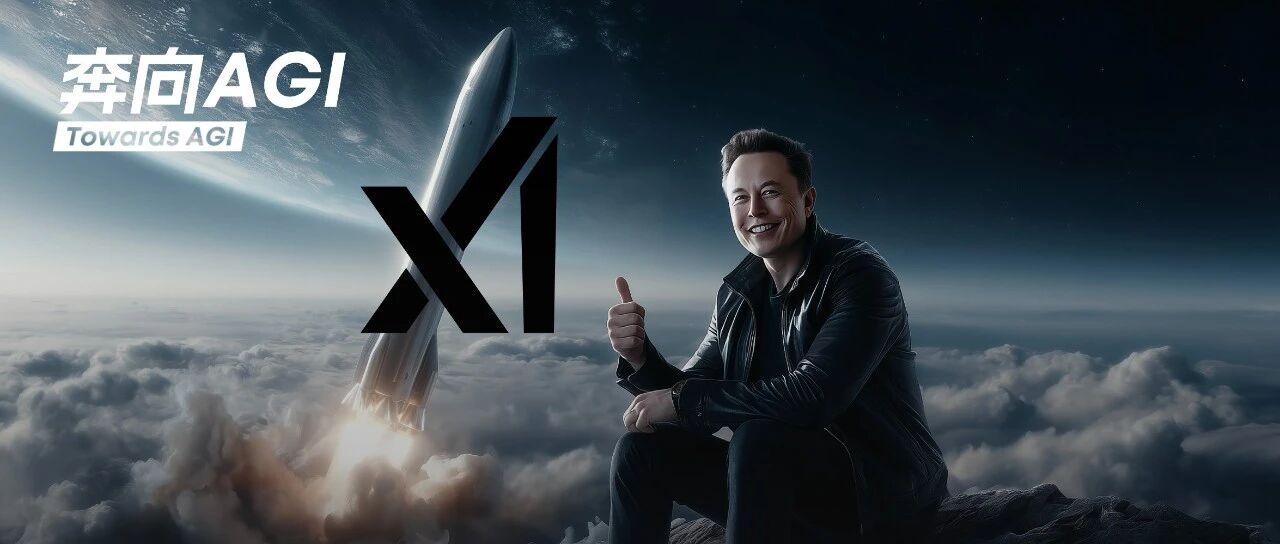
SpaceX宣布收购xAI,马斯克缔造“太空AI帝国”
Di Yi Cai Jing· 2026-02-03 01:15
Core Insights - Elon Musk announced that SpaceX has acquired AI startup xAI, with a combined valuation expected to exceed $1 trillion, comprising $1 trillion for SpaceX and $250 billion for xAI [1] - Musk stated that in the next two to three years, performing AI computations in space will be the most cost-effective method, enabling unprecedented speed and scale in AI model training and data processing [1] - The acquisition aims to create a vertically integrated innovation engine encompassing AI, rockets, space internet, direct mobile device communication, and a leading real-time information platform [2] Company Developments - SpaceX has not disclosed the terms of the acquisition but aims to combine its ambitions in AI and space to create a "space AI empire" [1] - The company holds contracts worth billions with NASA and the U.S. Department of Defense, which have the authority to review the merger for national security and other risks [2] - SpaceX is also applying for permission to launch up to one million satellites into Earth's orbit [3]