香水香氛

Search documents
LVMH集团净利继续下滑:“2026年不会轻松”
Bei Jing Shang Bao· 2026-01-29 12:33
Core Viewpoint - LVMH Group's financial performance in 2025 shows a decline in both total revenue and net profit, indicating ongoing challenges in the luxury goods sector, which is facing a collective downturn and needs to regain consumer confidence for future growth [1][3]. Financial Performance - LVMH Group reported total revenue of €80.8 billion in 2025, a decrease of €3.876 billion or 5% compared to 2024. Operating profit and net profit fell by 9% and 13%, amounting to €17.755 billion and €10.878 billion respectively [3]. - In the first half of 2025, LVMH's revenue decreased by 4% to €39.81 billion, with operating profit down 15% to €9.01 billion and net profit down 22% to €5.69 billion [4]. Segment Performance - The fashion and leather goods segment experienced a revenue decline in 2025, with organic sales in Q4 dropping by 3%, slightly worse than the anticipated 2.94% [3]. - The wine and spirits division also saw a 5% decline in revenue year-on-year [3]. - The Asian market (excluding Japan) reported a 4% revenue drop for 2025, but showed signs of recovery in Q3 and Q4 with growth rates of 2% and 1% respectively [3]. Market Trends - The luxury goods market is shifting from oligopoly to a more diversified landscape, with increasing competition from high-end niche brands and customized services, leading to a decrease in consumers' willingness to pay premium prices [6]. - Product innovation and service experience improvement are becoming key focus areas for luxury brands to remain competitive in the evolving market [6]. Strategic Actions - In response to performance pressures, LVMH has been active in expanding its portfolio, including the launch of a new concept flagship store in Shanghai and the acquisition of Tiffany for approximately $16.2 billion [5]. - The company is also investing in niche perfume brands to seek growth opportunities in the fragrance sector [5].


美国美妆市场观察:购买更“挑剔”,分化更显著
HTSC· 2026-01-27 12:49
Investment Rating - The report maintains an "Overweight" rating for the cosmetics industry [7]. Core Insights - The U.S. beauty market is experiencing a notable divide, with consumers becoming more selective in their purchases, leading to a stronger performance in the high-end segment compared to mass-market products [1]. - Estee Lauder's "Beauty Reimagined" strategy is showing early signs of success, with market share recovery in the U.S. and significant growth in China after a period of decline [2]. - ULTA Beauty reported strong same-store sales growth, leading to an upward revision of its revenue guidance for FY25 [3]. - Smaller players in the beauty and medical aesthetics sectors are facing challenges, with many reporting declining revenues [4]. - K-beauty brands are performing exceptionally well in the U.S., with significant export growth and market share gains [5]. Summary by Sections U.S. Beauty Market Overview - The U.S. high-end and mass beauty markets grew by 4% and 5% year-over-year respectively in Q1-Q3 2025, with mass fragrances showing the strongest growth [1]. - Consumers are cutting back on non-essential spending, impacting overall market performance, but brands like ELF and Coty are still facing challenges [1]. Estee Lauder's Strategy - The new CEO's "Beauty Reimagined" strategy is effectively attracting new consumers and has led to a recovery in market share in the U.S. and China [2]. - The company's stock has rebounded approximately 130% since April 2025, although it remains below its peak market value of $133.9 billion from December 2021 [2]. ULTA Beauty Performance - ULTA reported a 6.3% year-over-year increase in same-store sales for Q3, exceeding Bloomberg consensus estimates [3]. - The company has raised its FY25 revenue guidance to $12.3 billion, with same-store sales growth projected between 4.4% and 4.7% [3]. Challenges for Smaller Players - Smaller beauty and medical aesthetics companies are struggling, with ELF reporting a -3% organic revenue growth in FY26Q2, and Coty experiencing five consecutive quarters of revenue decline in the Americas [4]. - Medical aesthetics companies like InMode are facing significant revenue drops, with a 28% year-over-year decline reported for Q3 2025 [4]. K-beauty Market Performance - South Korea's beauty exports to the U.S. reached $1.75 billion in 2025, marking a 13% year-over-year increase, making the U.S. the largest export market for Korean beauty products [5]. - New entrants like APR are gaining market share rapidly, with significant sales growth in the U.S. [5].

北交所新消费产业研究系列(五):情绪为核+消费新生,中国情绪经济有望重塑万亿消费生态
Hua Yuan Zheng Quan· 2026-01-19 14:02
Group 1: Emotional Economy - The emotional economy in China is projected to exceed 20 trillion yuan by 2024, with a significant growth trajectory expected to continue, reaching approximately 45 trillion yuan by 2029 [2][23][26] - Emotional consumption is characterized by a willingness to pay for emotional value, with over 60% of consumers viewing it as an effective way to relieve stress, and nearly half recognizing it as a means to alleviate emotions [8][20][23] - The emotional economy encompasses various sectors, including trendy toys, pets, emotional health, cultural entertainment, stress relief products, and fragrances, indicating a multi-faceted development landscape [2][24] Group 2: Trendy Toy Economy - The trendy toy market is shifting from functional to emotional consumption, with a projected CAGR of 21% from 2025 to 2030 [2][31] - The retail sales of trendy toys in China are expected to grow from 20.7 billion yuan in 2019 to 58.7 billion yuan in 2024, reflecting a compound annual growth rate of 23.2% [2][37] - The growth of the trendy toy industry is driven by increasing emotional consumption, with these products becoming vehicles for personal identity and cultural belonging [2][37] Group 3: Pet Economy - The pet economy in China is anticipated to surpass 1 trillion yuan by 2027, driven by emotional attachment and companionship needs [2][56] - The pet industry is experiencing steady growth, with the market size expected to reach 701.3 billion yuan in 2024, reflecting an 18.3% year-on-year increase [2][64] - Pet food remains the dominant segment, accounting for 52.8% of the pet consumption market in 2024, with a notable increase in the average spending per pet owner expected in the coming years [2][64][68] Group 4: Fragrance Economy - The fragrance market in China is projected to grow at a CAGR of 15% from 2018 to 2024, with the market size expected to reach approximately 32.9 billion yuan by 2025 [2][81][86] - Emotional benefits are prioritized over functional needs in fragrance consumption, with 59.7% of consumers purchasing fragrances to enhance their emotional experience [2][81][92] - The fragrance market is characterized by a blend of online and offline channels, with online sales expected to grow significantly, reflecting a shift in consumer purchasing behavior [2][88]
港股异动 | 颖通控股(06883)尾盘涨超4% 中期纯利同比增长15.3% 中期息连特别息派8港仙
智通财经网· 2025-12-02 07:07
Core Viewpoint - Ying Tong Holdings (06883) reported a mixed performance in its interim results, with a slight decline in total revenue but an increase in net profit, indicating resilience in a recovering high-end consumer market [1] Financial Performance - Total revenue for the period ending September was approximately 1.028 billion RMB, representing a year-on-year decrease of about 3.4% [1] - Net profit reached 133 million RMB, showing a year-on-year increase of approximately 15.3% [1] - The company plans to declare an interim dividend of 4.6 HK cents per share and a special dividend of 3.4 HK cents per share [1] Market Position and Outlook - Ying Tong Holdings is recognized as a leading high-end perfume brand management company in China [1] - Huatai Securities forecasts that the company will benefit from the recovery in high-end consumption and the increasing penetration of perfumes and fragrances, leading to demand growth [1] - The company is expanding its multi-brand strategy across various channels, with significant growth potential in markets below first-tier cities [1] - Future plans include expanding the brand matrix and focusing on self-operated retail stores and proprietary brands, which are expected to create new revenue and profit growth points [1]
以进博为窗口,美妆主题论坛解锁高端美妆增长新引擎
新华网财经· 2025-11-13 09:49
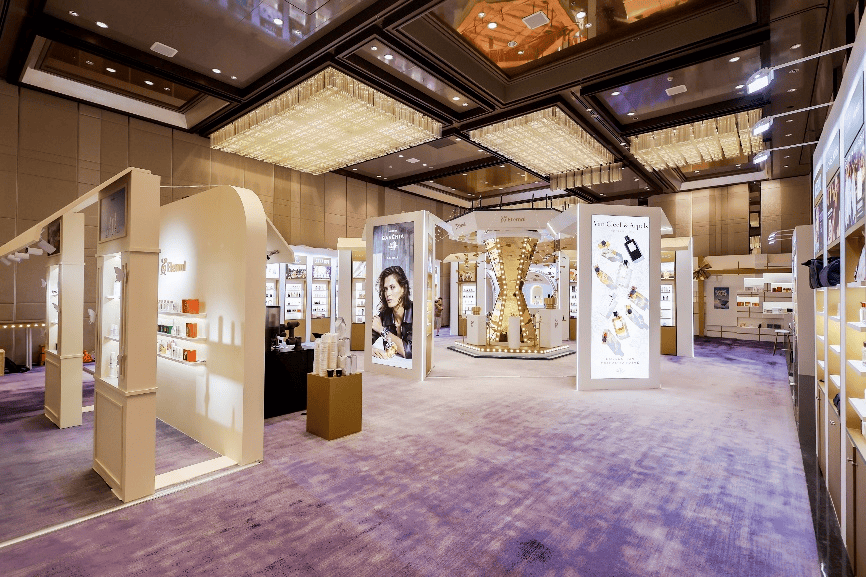
Core Insights - The eighth China International Import Expo (CIIE) held in Shanghai from November 5 to 10 focused on the development trends of the fragrance and beauty market in China, highlighting the emotional connection consumers have with fragrance products [2][4] - The Chinese fragrance market has undergone three significant transformations over the past 40 years, evolving into a medium for consumers to express individuality and convey emotions, driven by a shift from an "incremental market" to "stock competition" [2][3] - There is a growing emphasis on personalized and diverse consumer demands in the fragrance market, with a shift towards empathetic and localized creation processes in fragrance development [2][3] Market Trends - The high-end beauty market in China is transitioning from "quantitative expansion" to "qualitative sedimentation," focusing more on emotional resonance, aesthetic refinement, and cultural confidence [3] - The retail environment and consumer behavior in the Chinese fragrance market are characterized by "omni-channel integration, experience-driven, and emotional resonance," moving beyond the binary of online versus offline [3] Brand Strategies - Dolce & Gabbana's CEO announced a strategic decision to self-manage their beauty business since 2022, with plans to launch a beauty product line in China by 2026, emphasizing technological innovation and cultural integration [3] - Fragrance brands are encouraged to co-create stories with consumers, presenting the human warmth behind the creation process and allowing consumers to "personally experience" the fragrance [2][3]

科蒂的“隐忧”藏不住了
Bei Jing Shang Bao· 2025-11-12 12:15
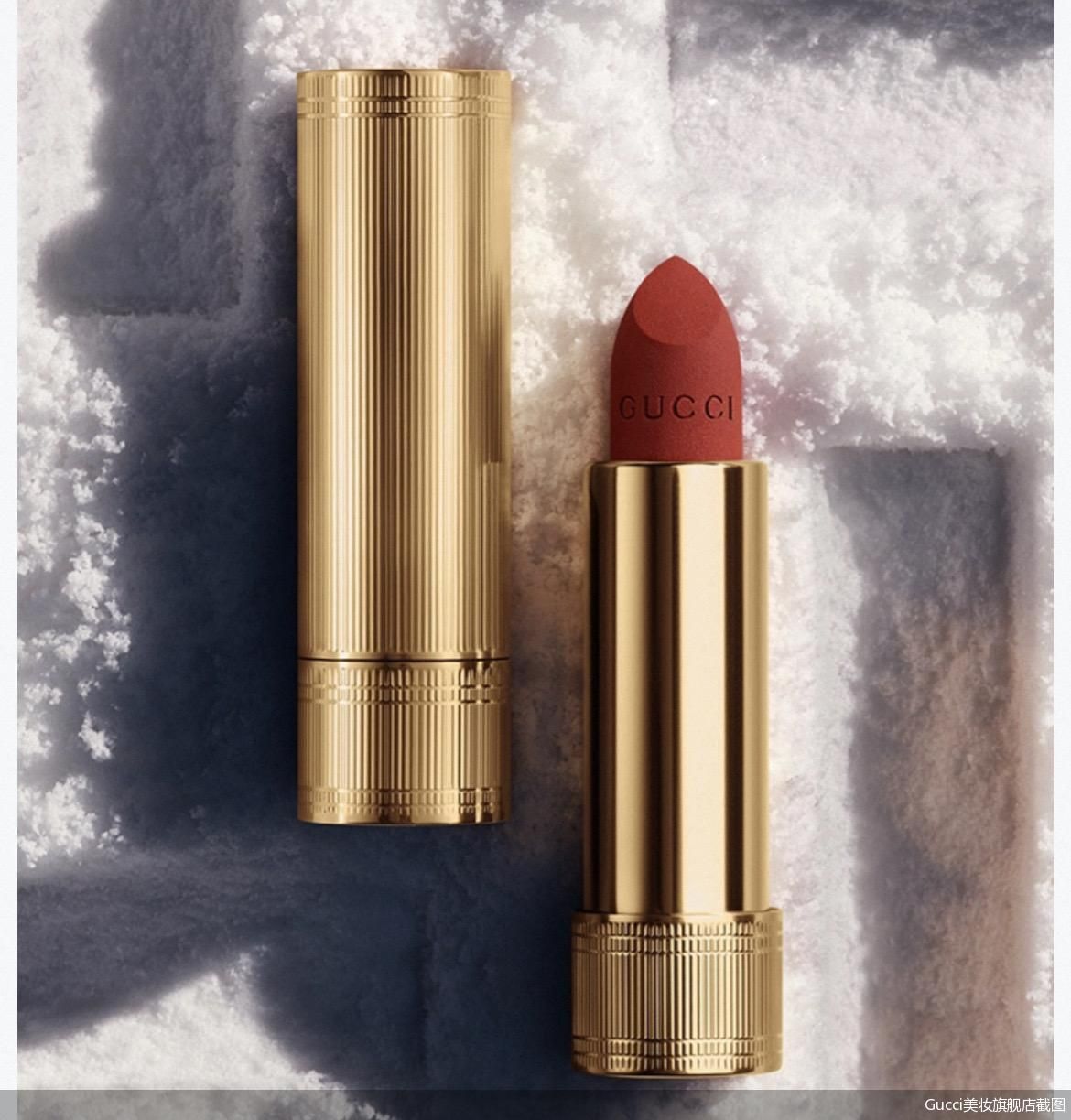
Core Viewpoint - Coty is facing significant challenges as it is set to lose its beauty licensing rights for Gucci, which is expected to have a substantial impact on its business and brand strategy [1][3][4]. Group 1: Legal Action and Licensing Issues - Coty has filed a lawsuit against Kering Group and Gucci over the beauty licensing agreement, claiming a breach of its right to renew the contract [1][3]. - The agreement between Kering and L'Oréal for Gucci's beauty licensing is set for a 50-year term, effectively barring Coty from any future collaboration with Gucci after 2028 [3][4]. - Coty's CEO, Sue Nabi, has stated the company will defend its rights until the contract's expiration [3]. Group 2: Financial Impact - The loss of Gucci is projected to result in a revenue loss of approximately $500 million for Coty within the year [4]. - Gucci's beauty division has been a crucial part of Coty's revenue, contributing over 60% to its high-end beauty segment [4]. - Coty reported a net revenue of $5.893 billion for the fiscal year 2025, a decline of 3.68%, and incurred a loss of $381 million, indicating ongoing financial struggles [7]. Group 3: Market Position and Strategy - The beauty market is experiencing polarization, and losing Gucci will significantly impact Coty's high-end strategy and brand competitiveness [5]. - Coty has a history of relying on licensed brands, which poses risks as contracts expire, with other brands like Miu Miu already moving to L'Oréal [7][8]. - To mitigate risks, Coty is focusing on developing its own brands, such as the newly launched Infiniment Coty Paris, aiming to establish a strong presence in the fragrance market [8].

海外美妆龙头财报跟踪:高端是否率先复苏?
2025-11-12 02:18
Summary of Conference Call Records Industry Overview - The high-end beauty market in mainland China is showing signs of recovery, with several foreign beauty brands such as La Perla, L'Oréal, and Estée Lauder reporting performance growth, reversing previous declines. This recovery is primarily driven by high-end consumer demand rather than currency fluctuations [1][2][4]. Key Insights and Arguments - **Market Recovery**: LVMH achieved mid-single-digit growth in mainland China for the first time in the third quarter, exceeding market expectations. La Perla reported double-digit growth, a performance not seen in years [2][3]. - **Long-term Trends**: Despite short-term uncertainties, companies like Shiseido and L'Oréal expect the trend of high-end beauty market recovery to continue. Shiseido has adjusted its business metrics to reflect double-digit growth when combining travel retail and domestic sales [1][4]. - **Consumer Demand**: The demand for beauty and health remains strong, with companies like L'Oréal and Puig seeing significant performance in medical-grade skincare and fragrance categories [1][5][6]. - **E-commerce Growth**: Online channels are crucial for sales growth, with L'Oréal's e-commerce channel in China experiencing double-digit growth. Offline sales in high-end malls are also showing signs of recovery [8]. Additional Important Points - **Promotional Strategies**: During the recent Double Eleven shopping festival, foreign brands like Lancôme and Helena Rubinstein achieved significant online growth, primarily through discount strategies, which impacted profit margins [9]. - **Local Brand Advantage**: Chinese local brands have advantages in supply chain responsiveness and understanding rapidly changing consumer demands. This positions them well for long-term market share growth [13][15]. - **Market Sentiment**: The overall market sentiment in 2024 is low, but the beauty sector shows resilience. Companies like L'Oréal have begun to recover after experiencing negative growth in previous quarters [5][11]. - **Competitive Landscape**: The competition between foreign and local brands is characterized by foreign brands leveraging online discounts while local brands focus on supply chain agility and consumer responsiveness. This dynamic is expected to continue without significantly hindering local brands' growth [15]. Conclusion - The high-end beauty market in China is on a recovery path, driven by strong consumer demand and effective sales strategies across various channels. While the overall market sentiment remains cautious, the resilience of the beauty sector and the competitive advantages of local brands suggest a promising outlook for future growth.

香料香精火爆飙升!四大国际巨头赚翻了?本土企业蜂拥上市?
Sou Hu Cai Jing· 2025-11-07 08:11
Group 1 - The four major flavor and fragrance companies, DSM-Firmenich, Givaudan, IFF, and Symrise, reported strong financial performance in the first half of 2024, with total revenue exceeding 47.5 billion yuan [1][6][8] - Anhui Zhongcao Flavor Co., Ltd. successfully went public, indicating a surge in IPO activity among domestic flavor and fragrance companies [11][13] - Synthetic biology is gradually being integrated into the flavor and fragrance industry, potentially addressing issues such as raw material shortages, impure flavor profiles, and environmental pollution [3][17][19] Group 2 - The global flavor and fragrance market is highly competitive, with the four major companies holding approximately 50% of the market share, creating a monopolistic competition landscape [1][35][37] - The domestic flavor and fragrance industry in China is characterized by low concentration, with a focus on differentiation and niche markets [24][28] - The market size of China's flavor and fragrance industry is projected to reach 43.9 billion yuan, driven by industrialization and market demand [24][25] Group 3 - The online sales of perfume and fragrance products reached 17.963 billion yuan from August 2023 to August 2024, showing a year-on-year growth of 7.11% [2] - The demand for flavor and fragrance products is expected to grow significantly, with the Chinese fragrance market projected to reach 44 billion yuan by 2028 [25][28] - The trend of "self-care consumption" is emerging, with consumers increasingly seeking emotional value from fragrance products [46][49]

美食三味、惠购三品、夜赏三秀…… 双节消费盛宴开启,上海太会玩了!
Sou Hu Cai Jing· 2025-09-27 09:53
Core Points - Shanghai's consumption market is set to thrive during the "Double Festival" with a series of promotional activities aimed at boosting tourism and local spending [4][17] - The "2025 Love Shopping Shanghai · Enjoy Double Festival" series will feature three main themes: "Gourmet Delights," "Shopping Benefits," and "Nighttime Shows" [4][9] Group 1: Gourmet Delights - The "Gourmet Delights" initiative will focus on must-try foods, seasonal delicacies, and afternoon tea experiences, enhancing the culinary appeal of Shanghai [5][6] - Collaborations with Meituan will promote a "Must-Try Food Guide" for tourists, offering rewards for completing specific tasks [6] - The "Autumn Delicacies" guide will provide recommendations for seasonal dishes, showcasing Shanghai's rich culinary diversity [8] Group 2: Shopping Benefits - The shopping campaign will emphasize premium products, beauty items, and tax refund opportunities to stimulate consumer spending [9][11] - Major jewelry brands will participate in promotional activities, including a special collaboration featuring a new product line [9] - Tax refund shopping incentives will be offered to international travelers, enhancing the attractiveness of shopping in Shanghai [11] Group 3: Nighttime Shows - The "Nighttime Shows" initiative will feature light shows, pop-up performances, and themed events to activate the nighttime economy [12][14] - Key locations will host immersive light art activities, supported by consumer vouchers to encourage nighttime spending [12] - Cultural events will integrate traditional heritage with modern entertainment, creating unique experiences for visitors [14] Group 4: Additional Consumer Policies - Shanghai will implement various consumer policies, including trade-in programs for home appliances and vehicles, as well as shopping subsidies across multiple districts [16]

《2025中国香水香氛行业白皮书》发布,价值共鸣式消费驱动新增长
Sou Hu Cai Jing· 2025-09-06 05:37
Core Insights - The report highlights the resilience of the Chinese consumer market despite global fluctuations, with strong growth potential particularly in lower-tier cities [2][4] - A shift towards "value resonance consumption" is identified, where consumers prioritize emotional connections over mere product functionality, driving growth in the fragrance sector [2][4] - The report emphasizes the importance of sustainable competitive advantages for brands in a more mature and rational market environment [4][6] Market Dynamics - The retail sales growth of consumer goods has been steadily recovering since 2025, indicating a positive trend in consumer spending [2] - The emergence of seasoned consumers, such as quality-focused buyers and fragrance enthusiasts, is shaping market trends [4] - The fragrance category is experiencing robust growth due to its unique emotional connection attributes and significant market penetration potential [4] Consumer Behavior - Consumers are becoming more self-aware and confident, leading to a transformation in the fragrance market landscape [4] - The increasing market education is solidifying consumer understanding of fragrances, paving the way for a new growth cycle [2][4] Marketing Strategies - Successful marketing in 2025 will require a combination of insights, strategy, and tactics, focusing on understanding deep market needs and localizing operations [6] - Brands must establish deep emotional connections with consumers to thrive in the evolving market [4][6] Industry Outlook - The release of the white paper marks a significant milestone in documenting the growth and changes in China's olfactory economy [6] - The insights gathered aim to foster industry development and create more resilient growth pathways [6]