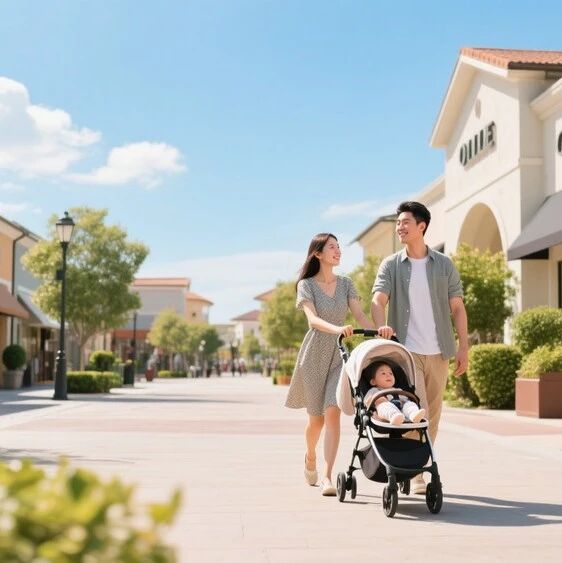
奥莱升级

Search documents
新型奥莱,正在“杀死”平庸的购物中心
3 6 Ke· 2026-02-02 02:53
Core Insights - The rise of outlet malls in China is evident, with total sales expected to increase from approximately 126 billion to 248 billion yuan between 2021 and 2025, nearly doubling in five years, showcasing strong resilience during market fluctuations [1] - Outlet malls are evolving to resemble shopping centers and weekend leisure destinations, attracting a broader demographic, including younger consumers and families [1][5] Group 1: Market Trends - The traditional perception of outlet malls as discount clothing stores is changing, with a shift towards a more integrated consumer experience that includes dining and entertainment options [5][20] - New outlet developments are incorporating over 40% of non-retail brands, such as restaurants and entertainment venues, transforming them into one-stop shopping and leisure destinations [5][16] Group 2: Brand and Product Strategy - Brands previously hesitant to enter the outlet space, such as lululemon and ON, are now opening outlet stores, indicating a shift in product strategy towards including new and full-price items rather than just discounted stock [6][7] - The product mix in existing outlets is also changing, with some stores offering only 25% of their inventory as discounted items, while new and full-price products make up over 50% [7] Group 3: Consumer Demographics - The influx of younger consumers, particularly Gen Z, is revitalizing outlet malls, with many now visiting for specific events or brand promotions, transforming these spaces into social hubs [16][17] - Family-oriented features are becoming more prominent, with a significant portion of visitors being young families, leading to the development of child-friendly spaces and activities [17] Group 4: Competitive Landscape - Traditional shopping centers are facing increased competition from outlet malls that now offer a comprehensive range of services, including dining and entertainment, which were previously their stronghold [20] - The entry of internet giants into the outlet space is intensifying competition, as they leverage their brand and financial advantages to establish a foothold in the market [13][20] Group 5: Future Outlook - The evolution of outlet malls is not just a trend but a reflection of changing consumer preferences and market dynamics, pushing traditional shopping centers to redefine their unique value propositions [21][22]


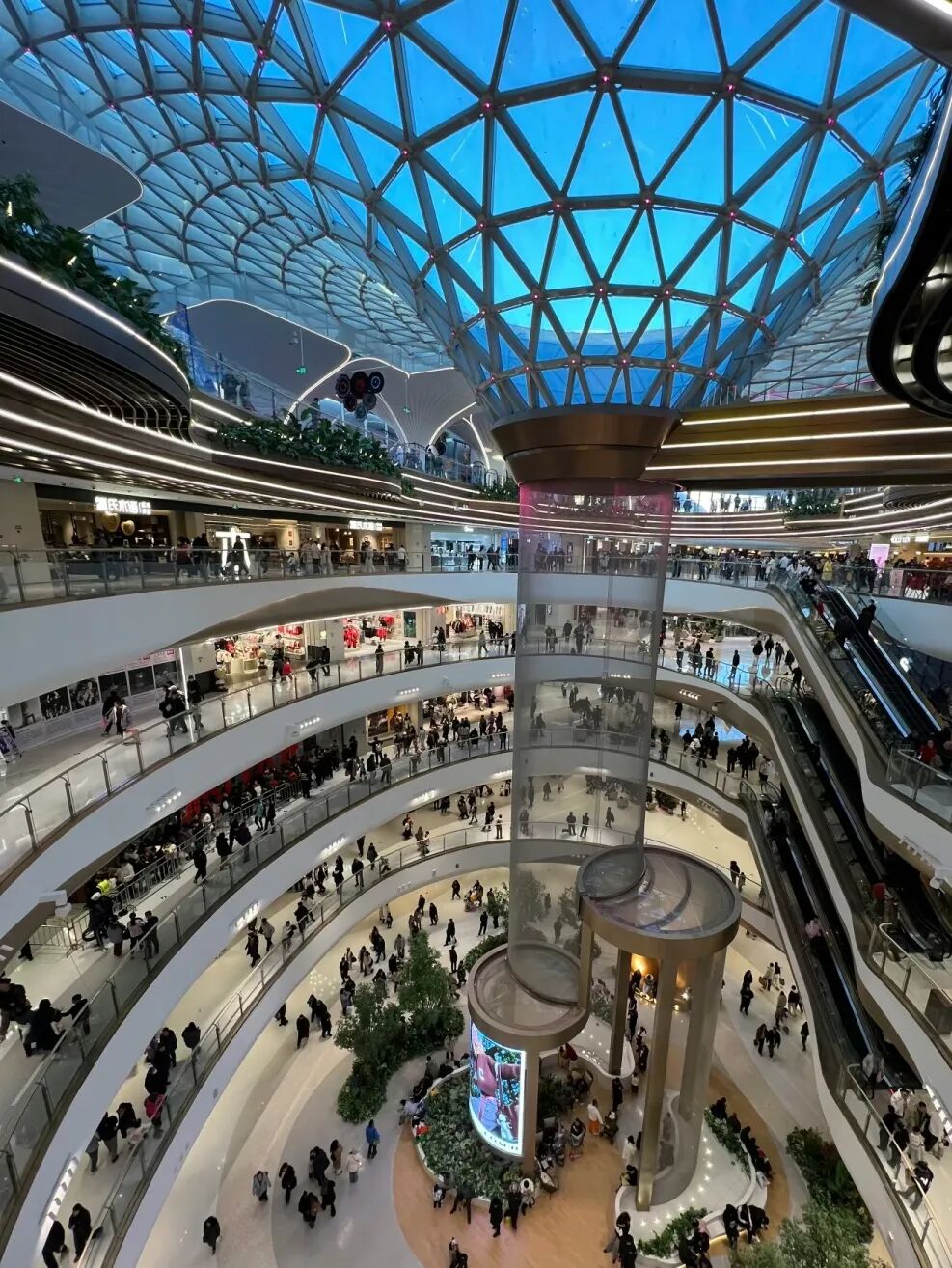
新型奥莱,正在“杀死”平庸的购物中心
虎嗅APP· 2026-01-31 03:54
Core Insights - The article discusses the transformation of outlet malls in China, highlighting their evolution from discount-focused shopping destinations to comprehensive lifestyle centers that cater to a wider range of consumer needs and experiences [6][7][18]. Group 1: Market Trends - The sales revenue of China's outlet industry is projected to grow from approximately 126 billion to 248 billion yuan between 2021 and 2025, nearly doubling in five years, showcasing strong resilience during market fluctuations [6]. - The traditional perception of outlet malls is changing, with younger consumers increasingly frequenting these locations for leisure and social activities, rather than just for discounted shopping [31][35]. Group 2: Business Model Evolution - Outlet malls are shifting towards a "one-stop" and "full-format" model, integrating non-retail sectors such as dining and entertainment, which now account for over 40% of offerings in some locations [11][12]. - Brands that previously avoided outlet malls are now entering the space, with examples including lululemon and ON, indicating a shift in inventory strategies where new and full-price items are becoming more prevalent [14][16][17]. Group 3: Consumer Demographics - The influx of younger consumers, particularly families, is revitalizing outlet malls, with family demographics making up 74.51% of visitors in some locations, prompting tailored experiences such as children's activities [34]. - Outlet malls are increasingly adopting immersive experiences and themed events to attract younger audiences, transforming them into social hubs rather than mere shopping venues [35][31]. Group 4: Competitive Landscape - The rise of new outlet formats is putting pressure on traditional shopping centers, which must adapt to maintain their relevance by offering unique experiences or locations that cannot be easily replicated by outlet malls [39]. - The competition is intensifying as new players, including internet giants, enter the outlet space, leveraging their resources to create a scale that challenges established outlet chains [26][28].