存储复苏

Search documents
闪存龙头宣布涨价50%,10股年内股价翻倍
2 1 Shi Ji Jing Ji Bao Dao· 2025-11-09 14:15
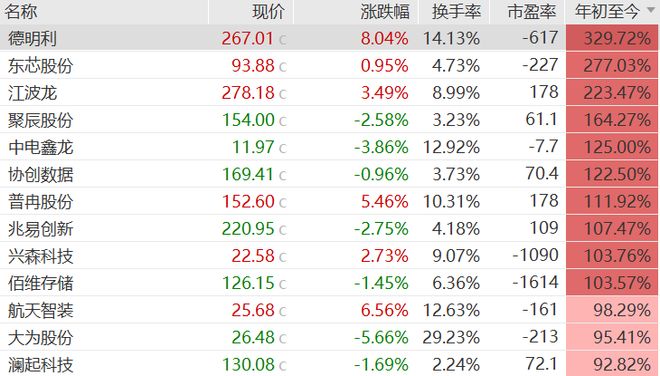
Core Viewpoint - The storage industry is experiencing significant price increases, with SanDisk raising NAND flash contract prices by up to 50%, marking at least the third price hike this year [1]. Group 1: Price Trends - Since September, there has been a strong expectation for price increases across mainstream storage products, including HBM, DRAM, NAND flash, SSDs, and mechanical hard drives, all facing shortages [1]. - DDR5 spot prices surged by 25% within a week as multiple storage manufacturers suspended DDR5 pricing [1]. Group 2: Stock Performance - The A-share storage chip sector has seen strong performance, with 10 stocks doubling in price year-to-date as of November 7, including Demingli, which rose nearly 330% [1][2]. - Other notable performers include Dongxin Co. and Jiangbolong, both exceeding 200% growth [1][2]. Group 3: Company Performance - Jiangbolong reported a 54.6% year-on-year increase in revenue for Q3, reaching 6.539 billion yuan, with net profit soaring by 1994.42% [4]. - Baiwei Storage achieved a 68.06% revenue growth in Q3, totaling 2.663 billion yuan, with net profit increasing by 563.77% [4]. - Lanke Technology maintained stable growth with a 57.22% revenue increase in Q3, reaching 1.424 billion yuan [4]. Group 4: Market Dynamics - The storage price fluctuations are impacting the growth rates of some end products, with companies like Rockchip experiencing a slight revenue decline due to the transition from DDR4 to DDR5 [5]. - Overall, leading domestic chip design firms are navigating a structural shift driven by the recovery in storage and the rise of edge AI, seeking growth in emerging sectors like AIoT and automotive electronics [5]. Group 5: Future Outlook - ICBC Credit Suisse believes the current wave of storage price increases is primarily driven by unexpected demand from AI servers, with expectations for high prices to persist at least until mid-2026 [7]. - The ongoing investment in AI infrastructure is expected to further support the upward price trajectory in the storage market [7].

闪存龙头宣布涨价50%,10股年内股价翻倍
21世纪经济报道· 2025-11-09 14:07
Core Viewpoint - The storage industry is experiencing significant price increases, with SanDisk raising NAND flash contract prices by up to 50%, marking at least the third price hike this year. This trend is driven by a strong demand for storage products across various segments, including DRAM, NAND flash, SSDs, and mechanical hard drives, leading to a notable surge in stock prices for storage-related companies [1][4]. Group 1: Price Increases and Market Dynamics - SanDisk has announced a substantial price increase for NAND flash contracts, with a rise of up to 50% [1]. - Since September, there has been a marked increase in price expectations for mainstream storage products, with DDR5 spot prices soaring by 25% within a week due to supply shortages [1]. - The A-share storage chip sector has seen strong performance, with 10 stocks doubling in price this year, including Demingli, which has surged nearly 330% [1]. Group 2: Company Performance - Jiangbolong reported a third-quarter revenue of 6.539 billion yuan, a year-on-year increase of 54.6%, and a net profit of 698 million yuan, up 1994.42% year-on-year [4]. - Baiwei Storage achieved a revenue of 2.663 billion yuan in the third quarter, reflecting a 68.06% year-on-year growth, with a net profit of 256 million yuan, up 563.77% year-on-year [4]. - Lanke Technology reported a stable growth with a third-quarter revenue of 1.424 billion yuan, a 57.22% year-on-year increase [5]. Group 3: Industry Trends and Challenges - The storage market is undergoing a structural transformation driven by the recovery in storage prices and the rise of edge AI applications, with companies actively exploring new growth areas such as AIoT and automotive electronics [6]. - The transition from DDR4 to DDR5 and the shift from modules to self-developed chips pose strategic challenges for companies in balancing technological advancements and cost control [6]. - Institutional forecasts suggest that the current wave of storage price increases is primarily driven by unexpected demand from AI servers, with expectations for high prices to persist at least until mid-2026 [7].

存储爆发,千亿龙头净利狂飙近20倍
2 1 Shi Ji Jing Ji Bao Dao· 2025-11-01 08:04
Core Insights - The chip design industry is experiencing growth due to rising storage prices and the rapid development of edge AI, with companies seeking new growth opportunities beyond the mobile sector [2][11][19] Storage Industry Performance - The storage sector is benefiting from supply constraints, leading to significant revenue increases for major storage module manufacturers in Q3 [4][9] - Jiangbolong reported Q3 revenue of 6.539 billion yuan, a year-on-year increase of 54.6%, and a net profit of 698 million yuan, up 1994.42% year-on-year [4][5] - Bawei Storage achieved Q3 revenue of 2.663 billion yuan, a year-on-year increase of 68.06%, with a net profit of 256 million yuan, up 563.77% year-on-year [6][9] Market Dynamics - The mobile market is stabilizing, prompting manufacturers to explore new growth areas, particularly in AIoT and automotive electronics [11][17] - Storage price fluctuations are impacting the sales rhythm of terminal products, affecting inventory and sales strategies [11][12] Company Strategies - Companies like Jiangbolong and Bawei Storage are focusing on self-developed storage chips to differentiate their growth [9][19] - Companies are expanding their client base and optimizing customer structures, with Jiangbolong's self-developed main control chip deployment exceeding 100 million units [5][9] Emerging Trends - The transition from DDR4 to DDR5 memory is a significant trend, although it requires industry collaboration for successful implementation [13][14] - Companies are diversifying their product offerings, with firms like OmniVision achieving revenue growth through expansion into automotive and smart imaging markets [17][18] Future Outlook - The chip design industry is expected to deepen its development under the trends of AI integration, diversification, and self-sufficiency, with companies needing to adapt quickly to technological cycles and market changes [19][20]

存储爆发,千亿龙头净利狂飙近20倍
21世纪经济报道· 2025-11-01 08:00
Core Viewpoint - The chip design industry is experiencing growth driven by the rising storage market and rapid development of edge AI, with companies seeking new growth opportunities beyond the mobile sector [1][8]. Group 1: Storage Market Performance - The current surge in storage manufacturers' profitability is attributed to upstream manufacturers controlling production, leading to supply shortages [3][8]. - Jiangbolong reported a third-quarter revenue of 6.539 billion yuan, a year-on-year increase of 54.6%, and a net profit of 698 million yuan, up 1994.42% year-on-year [3][6]. - Baiwei Storage achieved a revenue of 2.663 billion yuan in the third quarter, a year-on-year increase of 68.06%, with a net profit of 256 million yuan, up 563.77% year-on-year [6][8]. Group 2: Company Strategies and Developments - Jiangbolong is expanding its enterprise storage business and has successfully deployed over 100 million self-developed main control chips [5][8]. - Baiwei Storage anticipates a decline in storage prices starting from Q3 2024, with a significant increase in inventory and contract liabilities indicating strong demand [5][6]. - Companies like 澜起科技 are benefiting from AI computing demand, with a third-quarter revenue of 1.424 billion yuan, a year-on-year increase of 57.22% [7][8]. Group 3: Market Trends and Challenges - The mobile market is stabilizing, prompting manufacturers to seek growth in AIoT and other emerging sectors [9][12]. - The transition from DDR4 to DDR5 storage is a significant trend, but it requires industry collaboration for successful implementation [12][14]. - The volatility in storage prices is affecting the sales rhythm of terminal products, with potential impacts on inventory and sales strategies [11][12]. Group 4: Future Outlook - The chip design industry is expected to deepen its development under the trends of "AI, diversification, and autonomy," with companies needing to adapt quickly to technological cycles and market changes [14].