孤独社会与炫耀性消费

Search documents
狂飙的中国IP,掏空全球年轻人钱包丨36氪年度回眸
3 6 Ke· 2026-01-12 07:33
Core Insights - The article discusses the rise of Chinese IPs, particularly the LABUBU brand from Pop Mart, which has gained significant popularity and recognition globally, similar to the historical success of the ballet slipper nail polish brand by A.C. Wincarden in the U.S. [1][2] - The success of LABUBU is attributed to its affordable luxury appeal, which resonates with consumers who aspire to own products associated with celebrities like Lisa from Blackpink and Rihanna [2][20] - The article highlights a shift in consumer behavior, where Chinese companies are now creating and promoting their own IPs, moving away from being mere manufacturers for foreign brands [2][5] Product Development - Pop Mart's success is largely due to its strong design capabilities, which have attracted celebrity endorsements without paid promotions [6][7] - The design process at Pop Mart is meticulous, with strict quality control and a focus on aesthetic appeal, differentiating their products from cheaper alternatives [9][12] - The company emphasizes a high standard for its designers, ensuring that every detail is carefully crafted to maintain the brand's competitive edge [10][11] Market Trends - The article notes that the global toy market is increasingly influenced by Chinese IPs, with LABUBU and other brands gaining traction [5][20] - The rise of digital platforms and social media has facilitated the rapid spread of these brands, allowing them to reach a wider audience [20][27] - The marketing strategies employed by Pop Mart and other Chinese companies focus on creating a strong brand presence through social media engagement and community building [30][33] Localization and Globalization - Chinese companies are increasingly localizing their products and marketing strategies to resonate with international audiences, employing local teams for better market insights [42][43] - The article emphasizes the importance of cultural adaptation in the success of Chinese IPs, as seen in the adjustments made in game narratives to suit different cultural contexts [38][41] Consumer Behavior - The article discusses the concept of "loneliness society," where consumers seek products that provide companionship and social visibility, which LABUBU effectively fulfills [48][49] - The allure of owning a LABUBU is tied to its ability to serve as a status symbol, allowing consumers to express individuality in a homogenized society [49][50] - The marketing approach of creating a sense of scarcity and exclusivity around products enhances consumer desire and engagement [50][51]


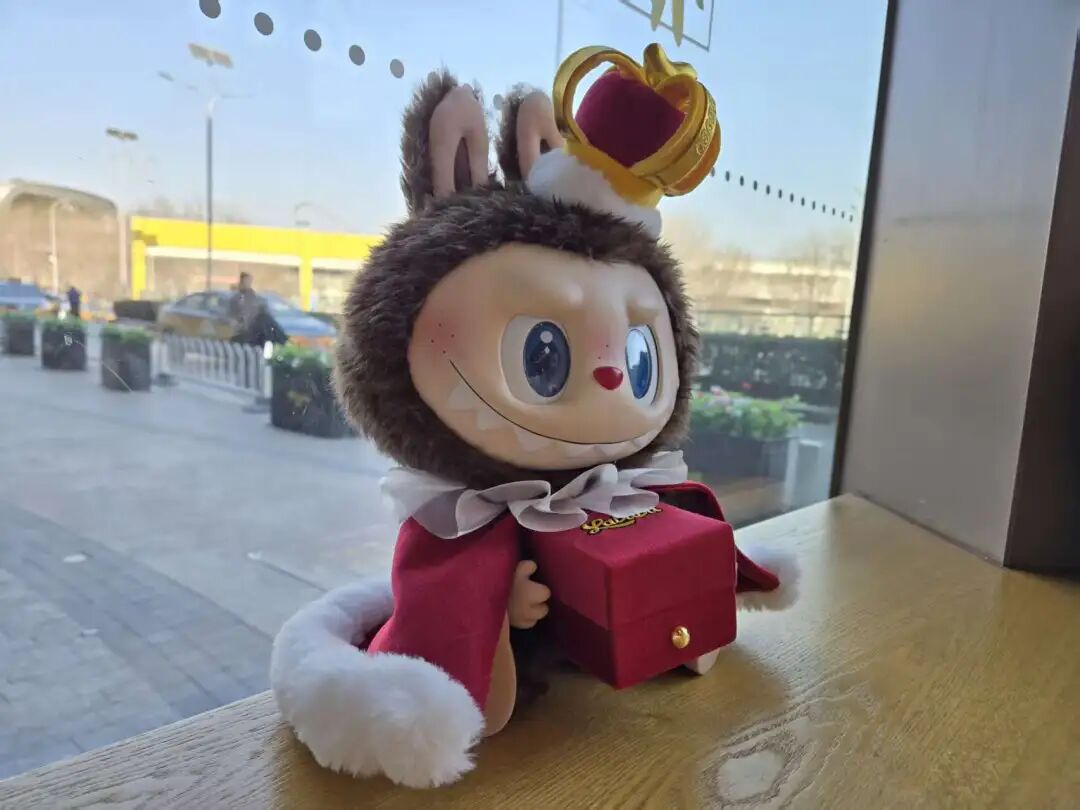
狂飙的中国IP,掏空全球年轻人钱包丨36氪年度回眸
36氪· 2026-01-06 13:36
Core Viewpoint - The article discusses how Chinese companies like Pop Mart and game developers are successfully creating and marketing IPs that resonate globally, moving away from traditional content-driven models to product and operational strategies that leverage design and consumer psychology [4][5][41]. Group 1: Product and Design - Pop Mart's LABUBU character has gained immense popularity, similar to the iconic "Ballet Slippers" nail polish, by being an affordable luxury item that consumers can aspire to own [6][10]. - The success of LABUBU is attributed to its design excellence, which differentiates it from cheaper alternatives, creating a perceived value that consumers are willing to pay for [16][17]. - The design process at Pop Mart is meticulous, with strict IP approval processes ensuring that every detail aligns with the brand's aesthetic, contributing to the uniqueness of their products [20][21][33]. Group 2: Marketing and Operations - Pop Mart's marketing strategy focuses on creating a celebrity-like persona for LABUBU, utilizing social media to engage consumers and build a community around the brand [49][50]. - The company has established a significant presence both online and offline, with plans to expand its store count internationally, aiming for a localized approach to enhance brand connection [64][65]. - The marketing efforts of Chinese game companies like miHoYo emphasize community building and long-term engagement, utilizing various platforms to maintain consumer interest and loyalty [56][61]. Group 3: Consumer Behavior and Trends - The article highlights a shift in consumer behavior towards "show-off" consumption, where owning unique items like LABUBU serves as a status symbol in a society increasingly characterized by loneliness [91][92]. - The concept of "lonely society" suggests that products that help consumers express individuality and connect with others will thrive, as people seek to differentiate themselves in a homogenized market [88][90]. - The emotional connection consumers have with products like LABUBU is crucial, as it fulfills a desire for recognition and belonging, particularly among younger demographics [97][98].