
安全生产治本攻坚三年行动

Search documents
去年全省生产安全事故实现“三下降”
Liao Ning Ri Bao· 2026-01-29 01:12
Core Insights - The province has achieved a significant reduction in production safety incidents, with the number of incidents, fatalities, and major accidents decreasing by 9.5%, 7.1%, and 13% respectively compared to the previous year, marking the first time in nearly a decade that incidents have fallen below 1,000 [1] Group 1: Emergency Management Improvements - The provincial emergency management system has enhanced service levels and introduced innovative non-site regulatory enforcement methods, such as drone AI recognition, leading to a year-on-year decrease of 20.1% in enterprise-related inspections and 74.9% in supervisory checks [1] - The emergency industry has seen innovation, with integrated firefighting drone clusters being included in the Ministry of Emergency Management's key innovation equipment incubation directory [1] - The high-lift firefighting rescue vehicle has been promoted as a new, specialized product for national emergency rescue applications [1] Group 2: Safety Inspection and Risk Management - The effectiveness of fundamental safety measures has improved, with a 55% year-on-year increase in the number of major accident hazards identified per 1,000 inspections; enterprises' self-reported major accident hazards accounted for 52.8%, an increase of 16.4% from 2024 [1] Group 3: Future Initiatives - In the upcoming year, the provincial emergency management department will actively participate in building a "best reputation for business environment province," strengthen expert support, and standardize enforcement inspections [1] - There will be a comprehensive deepening of the three-year action plan for fundamental safety production, utilizing "two heavy" and "two new" policies to accelerate the elimination of outdated processes and equipment, thereby enhancing intrinsic safety levels [1] - Special rectification of hazardous chemicals will be deepened, and safety governance in the industrial and trade sectors will be reinforced to establish a robust safety defense in small public venues, aiming to prevent and curb major accidents [1]
我省研判一季度重点行业领域安全生产风险
Xin Lang Cai Jing· 2026-01-18 22:33
Core Viewpoint - The article discusses the safety production risks in key industries in Liaoning Province during the first quarter of the year, highlighting the challenges posed by extreme weather and increased activities during holidays and events [1] Group 1: Safety Risks Analysis - The first quarter experienced extreme weather conditions such as low temperatures, rain, snow, and ice, leading to increased usage of fire, electricity, and gas [1] - The surge in self-driving travel and increased personnel in the catering and tourism sectors during the Spring Festival and other holidays has raised safety risks in transportation, dining, accommodation, large supermarkets, and tourist attractions [1] - Factors such as the emotional and attentional states of workers before and after holidays, as well as the rush to meet production deadlines and the peak fishing season in spring, may lead to violations of safety regulations and risky operations [1] Group 2: Safety Production Improvement Actions - The Provincial Safety Committee Office has mandated departments to conduct thorough inspections and rectifications of major accident hazards, emphasizing early detection and genuine efforts [1] - Identification of key areas for safety production within each industry is required, along with guidance and support for those areas [1] - Departments are encouraged to summarize, solidify, and transform work results, analyze existing problems, and develop improvement measures to ensure the effectiveness of the three-year action plan for fundamental safety production improvements [1]
安全生产治本攻坚三年行动进入关键期:2026全面确保治本攻坚任务完成
Zhong Guo Hua Gong Bao· 2026-01-16 05:45
Core Viewpoint - The year 2026 marks the beginning of the "14th Five-Year Plan" and is crucial for completing key tasks of the three-year action plan for fundamental governance, with a focus on enhancing safety management and implementing eight major actions for safety improvement [1][2]. Group 1: Safety Management Initiatives - Establish a long-term mechanism for identifying and addressing major accident hazards, including the development of regulations for safety hazard identification and management, and enhancing the standards for identifying major hazards [1]. - Promote safety training for key industries such as construction, transportation, and fishing vessels, focusing on the training of primary responsible personnel and frontline workers [1]. Group 2: Special Rectification Actions - Continue comprehensive rectification of safety issues in urban gas, hazardous chemicals, and other sectors, while enhancing grassroots firefighting efforts and preventing major fire accidents in high-rise buildings and small venues [2]. - Implement strict safety checks in critical infrastructure areas such as bridges, tunnels, and pumped storage power stations, and strengthen safety inspections in construction and railway maintenance [2]. Group 3: Development and Safety Integration - Coordinate development and safety by enhancing safety risk monitoring and early warning systems, accelerating the elimination of outdated processes and equipment, and promoting the intelligent transformation of traditional high-risk industries [2]. - Provide guidance and services for emerging industries and new business models, clarify regulatory responsibilities, and improve safety standards to eliminate market chaos in sectors like new energy [2].
安全生产“六化”建设加紧推进 治本攻坚行动筑牢安全发展基石
Zhen Jiang Ri Bao· 2026-01-13 16:28
Core Viewpoint - The city is focusing on enhancing safety production through a systematic "Six Modernizations" initiative, which aims to shift the safety governance model towards proactive prevention, ensuring urban safety and protecting citizens' lives and property [1][2]. Group 1: Six Modernizations Initiative - The "Six Modernizations" initiative includes: - "Grid-based" approach for scientific division of safety inspection units and strengthening frontline workforce [1]. - "Professionalization" by establishing safety management institutions in key departments and enhancing training for safety regulators [1]. - "Digitalization" through the development of a unified safety regulation platform and continued use of various risk management systems [1]. - "All-inclusiveness" by clarifying safety responsibilities for all positions within production units [1]. - "Entity-based" improvements by establishing safety management bodies and updating outdated processes and equipment with new technologies [1]. - "Manualization" to standardize safety behaviors through the creation of safety handbooks for various positions [1]. Group 2: Implementation and Training - The city’s safety office has quickly mobilized to ensure the "Six Modernizations" are effectively implemented, including specialized training for over 70 staff members at a local emergency management academy [2]. - The city has seen a decrease in production safety incidents and fatalities, maintaining a stable safety production environment [2]. Group 3: Ongoing Safety Actions - Continuous efforts are being made to strengthen safety defenses through various actions, including major inspections and rectifications in key areas, achieving a 99.2% rectification rate for identified major hazards [2]. - Specific measures have been taken to address safety management challenges in chemical industries, including tailored rectification plans and safety audits for key enterprises [2]. Group 4: Emergency Management and Future Plans - The city is enhancing its emergency management capabilities by ensuring all towns have dedicated fire safety personnel and comprehensive training for responsible individuals [3]. - Future plans include ongoing promotion of the "Six Modernizations," regular monitoring, and a focus on winter safety production characteristics to prevent accidents [3].
李强主持召开国务院常务会议 对贯彻落实中央经济工作会议决策部署作出安排 听取安全生产治本攻坚三年行动进展情况汇报 部署开展固体废物综合治理行动 审议通过《中华人民共和国增值税法实施条例(草案)》和《商事调解条例(草案)》
Ren Min Ri Bao· 2025-12-19 22:09
Group 1 - The State Council, led by Premier Li Qiang, emphasized the need for all departments to align their actions with the central government's economic strategies and policies for the upcoming year [1] - The meeting highlighted the importance of cross-departmental collaboration to effectively implement key tasks and ensure a strong start to the 14th Five-Year Plan [1] - There is a focus on enhancing responsibility and urgency among departments to develop specific implementation plans that will drive economic stability and growth [1] Group 2 - The meeting addressed the progress of the three-year action plan for safety production, stressing the need for continuous vigilance and proactive measures to prevent major accidents [2] - It was noted that solid waste management should follow principles of reduction, resource utilization, and harmlessness, with an emphasis on establishing a comprehensive management system [2] - The meeting approved the draft implementation regulations for the Value-Added Tax Law, aiming to ensure smooth implementation and protect taxpayer rights [2] Group 3 - The meeting approved the draft Commercial Mediation Regulations, aiming to standardize commercial mediation activities and enhance the credibility of mediators [3] - There is an intention to align domestic commercial mediation rules with international standards to improve legal service capabilities in foreign trade [3]
国常会审议通过《中华人民共和国增值税法实施条例(草案)》
Xin Hua Wang· 2025-12-19 14:02
Group 1 - The State Council, led by Premier Li Qiang, held a meeting to implement the decisions made during the Central Economic Work Conference, emphasizing the need for all departments to align their actions with the central government's scientific judgments and decisions [2] - The meeting highlighted the importance of enhancing responsibility and urgency among departments, requiring them to detail and implement specific plans to ensure effective execution of economic policies [2] - A focus was placed on cross-departmental collaboration to create a synergistic effect in promoting economic development, ensuring a strong start for the 14th Five-Year Plan [2] Group 2 - The meeting reviewed the progress of the three-year action plan for safety production, stressing the need for continuous vigilance and proactive measures to prevent major accidents [3] - It was emphasized that safety production is crucial for the safety of people's lives and property, as well as for economic development and social stability [3] - The meeting also discussed the comprehensive management of solid waste, advocating for a system that emphasizes reduction, resource utilization, and harmless disposal, particularly focusing on waste closely related to public life and safety [3] Group 3 - The meeting approved the draft implementation regulations for the Value-Added Tax Law, aiming to ensure smooth implementation and protect taxpayer rights while fostering a fair competitive environment [4] - The draft Commercial Mediation Regulations were also approved, aiming to standardize commercial mediation activities and enhance the credibility of mediators [4] - The meeting discussed the need to align domestic commercial mediation rules with international standards to improve foreign legal service capabilities [4]
治本攻坚三年行动,河北这么干!
Xin Lang Cai Jing· 2025-12-19 09:12
Core Viewpoint - The article highlights the significant reduction in accident rates and fatalities in Hebei Province, with a 49.6% decrease in accidents and a 46.1% decrease in deaths compared to the end of the 13th Five-Year Plan. This trend is expected to continue into 2025 due to comprehensive safety management reforms and initiatives implemented by the provincial government [1]. Group 1: Safety Management Initiatives - Hebei Province has launched a three-year action plan focusing on fundamental safety improvements, issuing a general plan and 30 specialized plans targeting key industries [1]. - The province has established a systematic and practical safety production responsibility framework, enhancing the safety production responsibility system [3][4]. - A series of legal frameworks have been revised and implemented to strengthen emergency management capabilities, including the revision of local safety production regulations [3]. Group 2: Risk Management and Monitoring - The province has detailed safety production responsibility lists and control measures, ensuring that safety risks are monitored and managed effectively across various sectors [4][6]. - Regular risk assessments and safety inspections have been conducted, with a reported 147.6% increase in the identification of major safety hazards compared to the previous year [6]. - Hebei has implemented a comprehensive safety monitoring system, including monthly risk analysis and targeted inspections for high-risk areas and enterprises [6][8]. Group 3: Emergency Response and Training - Hebei has initiated extensive training programs, with over 38.3 million training sessions conducted for key personnel in enterprises [10]. - The province has developed a robust emergency response framework, enhancing the overall emergency rescue capabilities and disaster prevention measures [3][10]. - A significant number of enterprises have been encouraged to adopt internal reporting mechanisms for safety hazards, leading to the identification and rectification of over 20,700 safety issues [9]. Group 4: Insurance and Financial Support - The province has introduced a safety production responsibility insurance (安责险) system, which has been actively promoted to cover high-risk industries and enhance safety management [15][16]. - Insurance institutions have been mandated to allocate at least 15% of the total premium income for accident prevention services, ensuring dedicated funding for safety initiatives [20]. - The integration of technology in insurance services has improved data sharing and monitoring, facilitating better risk management and accident prevention [19][20]. Group 5: Credit and Compliance Management - Hebei has established a safety production credit system, categorizing enterprises based on their safety performance and compliance, which influences regulatory oversight [23][24]. - The province has implemented a dynamic regulatory approach, increasing inspection frequencies for enterprises with lower credit ratings to ensure compliance with safety standards [26][27]. - Efforts to streamline administrative processes for businesses have been made, enhancing the efficiency of compliance checks and reducing bureaucratic hurdles [28].

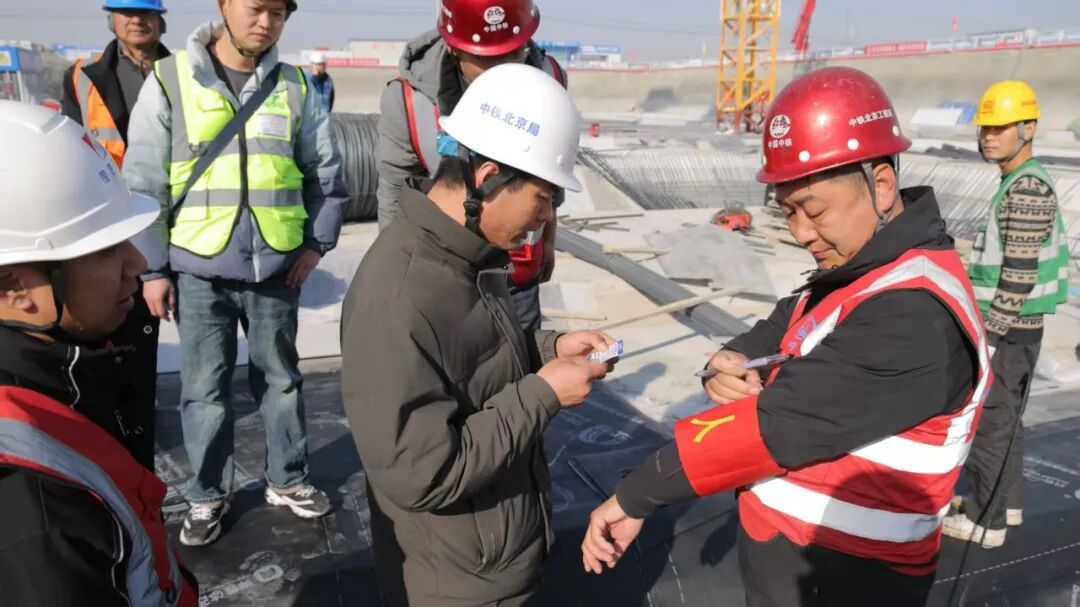
中央安全生产考核巡查组第九组对山东省开展考核巡查
Da Zhong Ri Bao· 2025-11-25 01:00
Group 1 - The central safety production assessment and inspection team, Group Nine, is conducting an assessment of Shandong Province's safety production work from November 23 to December 2, 2025 [2] - The assessment will focus on the implementation of the responsibility system for party and government leaders, the performance of relevant departments in safety production, and the progress of the three-year action plan for fundamental safety production [2][3] - The inspection aims to objectively reflect the effectiveness of safety production work through various methods, including discussions, on-site inspections, and document reviews [2] Group 2 - Wang Bao'en emphasized that this is the first safety production assessment conducted under the name of the Central Committee, aiming to strictly implement accountability for major safety hazards and issues [2] - Zhang Haibo stated that the assessment is a comprehensive examination of the province's safety production work, urging all levels and departments to actively cooperate and address issues promptly [3] - The meeting included a viewing of a warning video highlighting typical problems and hazards identified during inspections in the first three quarters of the year [3]
治本攻坚全力筑牢城市安全防线 中央安全生产考核巡查组第十一组来沪
Jie Fang Ri Bao· 2025-11-13 01:35
Core Viewpoint - The central government emphasizes the importance of safety production assessments and inspections, highlighting the need for high-quality completion of these tasks in Shanghai [1][2] Group 1: Safety Production Assessment - The Central Safety Production Assessment Team is conducting inspections in Shanghai from November 11 to 21, focusing on leadership accountability and safety production initiatives [1] - The assessment aims to objectively reflect the effectiveness of Shanghai's safety production efforts, particularly in high-risk areas and industries [1] Group 2: Local Government Response - Shanghai's local government is committed to implementing the directives from the central government and has initiated a three-year action plan to address safety production issues [2] - The city reported a generally stable safety production situation in the first ten months of the year, indicating effective risk management [2] - The local government plans to use the assessment as an opportunity to identify gaps and enhance safety governance capabilities [2]
【省应急厅】以“人防”铸就安全盾牌
Shan Xi Ri Bao· 2025-10-16 23:00
Group 1 - The core initiative of Shaanxi Province's safety production campaign (2024-2026) emphasizes a "people-oriented" approach, focusing on enhancing safety awareness and emergency response capabilities among workers through various training and management innovations [1][3] - Over 42,000 training sessions have been conducted, covering more than 2.6 million individuals, fostering a culture of safety awareness and emergency preparedness across the province [1][3] - The training programs include specialized sessions for small and medium enterprises, focusing on hazardous chemicals and industrial trade, with over 1,000 participants [2] Group 2 - The establishment of a comprehensive training system has been implemented, with 12,800 training sessions for enterprise leaders, reaching 482,500 individuals, including temporary and outsourced workers [3] - The introduction of a safety responsibility card system clarifies safety duties for each employee, enhancing accountability and safety practices within companies [4][5] - Innovative management mechanisms have been adopted, such as internal reporting reward systems for safety hazards, encouraging employees to actively participate in safety governance [5] Group 3 - Emergency management efforts have been bolstered through public awareness campaigns, significantly increasing safety knowledge among the population, with activities reaching over 56.6 million individuals [6][8] - The use of technology in safety training, including VR and AR, has made learning about emergency procedures more engaging and effective [6] - The overall safety knowledge assessment pass rate has improved by 15%, indicating a successful outreach and education strategy [7]