安全生产责任保险

Search documents
江苏金融机构聚力写好金融“五篇大文章” 以高质量服务赋能实体经济与深化改革
Zhong Guo Fa Zhan Wang· 2026-01-30 13:35
Group 1: Core Achievements in Financial Development - Jiangsu's financial system has achieved significant results under the leadership of the provincial government during the "14th Five-Year Plan" period, focusing on development and safety, enhancing financial services, and strengthening regulatory responsibilities [1] - By the end of 2025, the total assets of the banking industry in Jiangsu are expected to reach 36.7 trillion yuan, with the insurance industry assets at 1.71 trillion yuan, reflecting average annual growth rates of 10.9% and 12.7% respectively [2] - The banking sector has disposed of nearly 200 billion yuan in non-performing loans over five years, maintaining a low non-performing loan ratio of 0.84%, and the capital adequacy ratio for legal banks stands at 13.75% [2] Group 2: Support for the Real Economy - Jiangsu has launched a provincial-level intellectual property financial ecosystem pilot, with a pledge loan balance of 46.6 billion yuan, and issued 150.9 billion yuan in merger loans for technology enterprises [3] - The province has provided 622.9 billion yuan in financing for real estate projects, supporting the construction and delivery of 210,000 housing units, while the balance of inclusive loans for small and micro enterprises has exceeded 4 trillion yuan [3] - Manufacturing loans have reached 5.12 trillion yuan, marking a 130% increase compared to the "13th Five-Year Plan" period, and inclusive agricultural loans have reached 1.4 trillion yuan [3] Group 3: Institutional Optimization and Reform - Financial institutions in Jiangsu have clearer positioning, with large institutions playing a stabilizing role and small to medium-sized institutions achieving localized development [4] - By the end of 2025, 29 foreign banks have established branches in Jiangsu, and the first Sino-foreign joint venture financial leasing company has commenced operations [4] Group 4: Regulatory Enhancements and Market Health - The financial regulatory system has been reformed, with 55 regulatory branches established to enhance oversight, and a focus on digital transformation and combating financial crimes [5] - The insurance sector in Jiangsu has rapidly developed, with premium income expected to exceed 590 billion yuan by 2025, and cumulative claims reaching 892.9 billion yuan [7] - The insurance industry has provided risk protection for over 12,000 enterprises, with innovative products such as research expense loss insurance and patent conversion insurance [7]
一地排查安责险 多家险企被约谈 精细化经营待开启
Bei Jing Shang Bao· 2026-01-12 02:26
Core Viewpoint - The recent collective interview held by the Guangxi Zhuang Autonomous Region's Safety Committee Office highlights significant issues in the implementation of safety production responsibility insurance (安责险), specifically low investment in preventive services and inadequate per capita insurance coverage [1][2][3]. Group 1: Regulatory Actions - The meeting emphasized that insurance companies must allocate at least 20% of the total premium collected for accident prevention services in their 2026 budget [2][3]. - Insurance companies are required to establish a written commitment to ensure that the allocated funds are used specifically for accident prevention and not diverted for other expenses [2][3]. - The regulatory environment is tightening, focusing on accountability and preemptive measures to enhance safety in high-risk industries [3][4]. Group 2: Industry Challenges - The low proportion of preventive service investment and the failure to meet minimum insurance coverage standards have been identified as critical issues affecting the effectiveness of 安责险 [3][4]. - There is a prevalent issue of insurance companies prioritizing premium collection over providing necessary preventive services, leading to a lack of risk awareness and ineffective accident prevention [5][6]. - The traditional focus on competitive pricing among insurance companies has resulted in a detrimental race to the bottom, undermining the quality of services offered [5][6]. Group 3: Market Perception and Engagement - Many small and medium-sized enterprises (SMEs) exhibit a lack of understanding of safety production risks, leading to a reluctance to purchase 安责险, viewing it as a burden rather than a necessity [6]. - There is a need for improved awareness and education regarding the value of 安责险, particularly through sharing success stories of accident prevention and claims [6]. - The implementation of a robust governance framework is essential to ensure transparency and prevent the misuse of allocated funds for accident prevention [5][6].
治本攻坚三年行动,河北这么干!
Xin Lang Cai Jing· 2025-12-19 09:12
Core Viewpoint - The article highlights the significant reduction in accident rates and fatalities in Hebei Province, with a 49.6% decrease in accidents and a 46.1% decrease in deaths compared to the end of the 13th Five-Year Plan. This trend is expected to continue into 2025 due to comprehensive safety management reforms and initiatives implemented by the provincial government [1]. Group 1: Safety Management Initiatives - Hebei Province has launched a three-year action plan focusing on fundamental safety improvements, issuing a general plan and 30 specialized plans targeting key industries [1]. - The province has established a systematic and practical safety production responsibility framework, enhancing the safety production responsibility system [3][4]. - A series of legal frameworks have been revised and implemented to strengthen emergency management capabilities, including the revision of local safety production regulations [3]. Group 2: Risk Management and Monitoring - The province has detailed safety production responsibility lists and control measures, ensuring that safety risks are monitored and managed effectively across various sectors [4][6]. - Regular risk assessments and safety inspections have been conducted, with a reported 147.6% increase in the identification of major safety hazards compared to the previous year [6]. - Hebei has implemented a comprehensive safety monitoring system, including monthly risk analysis and targeted inspections for high-risk areas and enterprises [6][8]. Group 3: Emergency Response and Training - Hebei has initiated extensive training programs, with over 38.3 million training sessions conducted for key personnel in enterprises [10]. - The province has developed a robust emergency response framework, enhancing the overall emergency rescue capabilities and disaster prevention measures [3][10]. - A significant number of enterprises have been encouraged to adopt internal reporting mechanisms for safety hazards, leading to the identification and rectification of over 20,700 safety issues [9]. Group 4: Insurance and Financial Support - The province has introduced a safety production responsibility insurance (安责险) system, which has been actively promoted to cover high-risk industries and enhance safety management [15][16]. - Insurance institutions have been mandated to allocate at least 15% of the total premium income for accident prevention services, ensuring dedicated funding for safety initiatives [20]. - The integration of technology in insurance services has improved data sharing and monitoring, facilitating better risk management and accident prevention [19][20]. Group 5: Credit and Compliance Management - Hebei has established a safety production credit system, categorizing enterprises based on their safety performance and compliance, which influences regulatory oversight [23][24]. - The province has implemented a dynamic regulatory approach, increasing inspection frequencies for enterprises with lower credit ratings to ensure compliance with safety standards [26][27]. - Efforts to streamline administrative processes for businesses have been made, enhancing the efficiency of compliance checks and reducing bureaucratic hurdles [28].

创新合作机制,提升保险业灾害保障专业能力——第五届国家灾害治理与风险保障论坛在京成功举办
Xin Lang Cai Jing· 2025-12-12 09:13
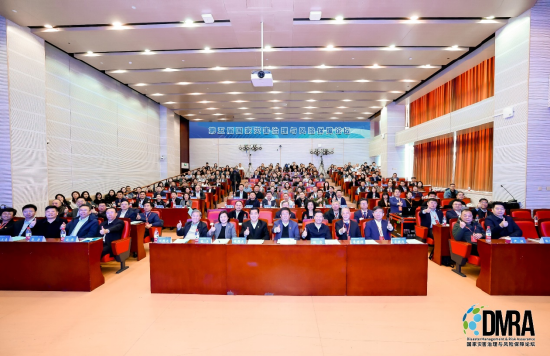
Core Viewpoint - The forum emphasized the importance of establishing a multi-layered disaster insurance system in China to enhance the insurance industry's capabilities in disaster prevention and risk reduction [3][4][10]. Group 1: Forum Overview - The "5th National Disaster Governance and Risk Protection Forum" was held in Beijing, co-hosted by the China Disaster Prevention Association, Central University of Finance and Economics, and China Reinsurance (Group) Corporation [1][7]. - Key figures from various sectors, including government and academia, participated in discussions focused on improving China's disaster insurance framework [3][9]. Group 2: Key Themes and Recommendations - Zheng Guoguang, President of the China Disaster Prevention Association, highlighted the need for innovative cooperation mechanisms and enhancing the professional capabilities of the disaster insurance sector [4][10]. - The forum discussed the importance of a government-led and market-driven approach to create diversified risk transfer channels and increase the supply of insurance and reinsurance [4][10]. - Emphasis was placed on strengthening inter-departmental collaboration among various sectors such as finance, agriculture, and emergency management to improve disaster insurance specialization [4][10]. - The need for grassroots emergency response capabilities and ongoing training in disaster prevention and risk reduction for the insurance industry was also underscored [4][10]. Group 3: Research and Development Initiatives - The China Disaster Prevention Association aims to collaborate with educational and research institutions to advance studies on disaster governance and risk protection systems [6][12]. - The release of the "Research Report on Natural Disaster Risks and Insurance Protection (2023-2024)" was a significant outcome of the forum, showcasing collaborative research efforts [6][12]. - The forum included parallel sessions on topics such as catastrophe insurance, agricultural insurance, and safety production liability insurance, indicating a comprehensive approach to disaster risk management [11].
调费率、重预防 多地力推安责险为企业系好“保险带”
Bei Jing Shang Bao· 2025-11-19 01:38
Core Viewpoint - The implementation of safety production responsibility insurance (安责险) is being enhanced across various regions in China, with new policies aimed at improving accident prevention and regulatory oversight, thereby strengthening the insurance framework for high-risk industries [1][2][3]. Group 1: Policy Implementation and Regulation - The Ministry of Emergency Management and six other departments issued the "Implementation Measures for Safety Production Responsibility Insurance" in April, providing clear guidelines for local governments [1]. - Shanxi Province has mandated that in high-risk industries, 20% of the actual insurance premium collected must be allocated for accident prevention services, with a minimum compensation limit of 400,000 yuan per person for death or disability [2][3]. - Hunan Province has introduced a dynamic rate adjustment mechanism for insurance premiums based on various safety factors, effective from December 1 [2]. Group 2: Product Development and Innovation - Insurance companies are shifting from standardized products to customized offerings, focusing on specific high-risk industries and expanding coverage [1][3]. - Ningbo City has launched a specialized insurance product for the port sector, emphasizing risk reduction and preemptive services, with a dynamic premium mechanism linked to safety performance [3][5]. - The market is moving towards more precise and segmented insurance products, with a focus on enhancing risk management capabilities [5]. Group 3: Challenges and Future Directions - Current challenges in the 安责险 market include pricing risks, the effectiveness of accident prevention services, and the complexity of multi-party collaboration [6]. - Companies are encouraged to integrate technology, such as IoT and big data, into their insurance solutions to proactively manage risks [6]. - A comprehensive risk management approach is recommended, encompassing pre-emptive training, emergency response assistance, and efficient claims processing to create a complete safety management loop [6].
调费率、重预防 多地力推安责险为企业系好“保险带”
Bei Jing Shang Bao· 2025-11-19 01:33
Core Viewpoint - The implementation of safety production responsibility insurance (安责险) is being enhanced across various regions in China, with a focus on customized products, accident prevention, and stricter regulations to improve safety management in high-risk industries [1][2][3]. Group 1: Policy Implementation - In April, the Ministry of Emergency Management and six other departments issued the "Implementation Measures for Safety Production Responsibility Insurance," providing clear guidelines for local governments [1]. - Shanxi Province mandates that in high-risk industries, 20% of the actual premium collected for 安责险 must be allocated for accident prevention services, with a minimum compensation limit of 400,000 yuan per person for death or disability [1][2]. - Hunan Province has introduced a dynamic rate adjustment mechanism for 安责险 based on various factors, including accident records and compliance with safety standards [2]. Group 2: Product Development - The insurance industry is shifting from standardized products to customized offerings tailored to specific high-risk sectors, enhancing the scope of coverage [1][3]. - Ningbo City has launched a specialized 安责险 product for the port sector, featuring a floating rate mechanism linked to the safety performance of enterprises [3][5]. - The focus is on transforming the service model from mere compensation to proactive risk management, with insurance companies becoming partners in safety management [5][6]. Group 3: Market Trends - The release of the "Implementation Measures" has acted as a catalyst for market standardization, moving away from chaotic competition towards a more orderly market [4]. - The insurance sector is increasingly adopting technology, such as IoT and big data, to enhance risk assessment and prevention capabilities [6]. - There is a growing emphasis on creating a complete safety management loop that includes pre-incident training, real-time response, and post-incident support [6].
广州开展涉企行政执法监督检查重点纠治扰企突出问题
Zhong Yang Ji Wei Guo Jia Jian Wei Wang Zhan· 2025-09-12 00:56
Core Insights - The article highlights the increased transparency and accountability in administrative law enforcement for businesses in Guangzhou, particularly in the Huadu District, where issues of corruption and misconduct among enforcement personnel have been addressed [1][2][3]. Group 1: Administrative Oversight and Enforcement - The Guangzhou Municipal Commission for Discipline Inspection and Supervision has initiated a series of measures to tackle corruption and misconduct in grassroots administrative law enforcement, resulting in the investigation of 489 corruption and misconduct cases and the handling of 648 individuals, with 256 receiving disciplinary actions this year [2]. - The Huadu District has seen a focus on addressing issues such as "eating, taking, and demanding" among enforcement personnel, with 170 individuals investigated and 110 cases filed over the past two years [2]. - The introduction of a "bright code" system for administrative inspections aims to enhance transparency, allowing businesses to verify the credentials of enforcement personnel through a digital platform [5]. Group 2: Case Studies and Specific Incidents - A specific case involved an enforcement officer in Huadu who was found to have accepted benefits from a management service company while improperly promoting their services to local businesses, leading to disciplinary action against the officer [1]. - In Tianhe District, an enforcement officer was penalized for using excessive inspection frequency to pressure a property management company into compliance with a rental project, demonstrating the ongoing issues of misconduct in administrative enforcement [3]. Group 3: Systematic Improvements and Recommendations - The Guangzhou Municipal Commission has issued 47 disciplinary recommendations and has pushed for the establishment of 34 new regulations to improve administrative law enforcement practices [4]. - The Huadu District has developed 17 new administrative enforcement regulations, including guidelines for auxiliary personnel, to standardize enforcement practices and improve operational efficiency [4].
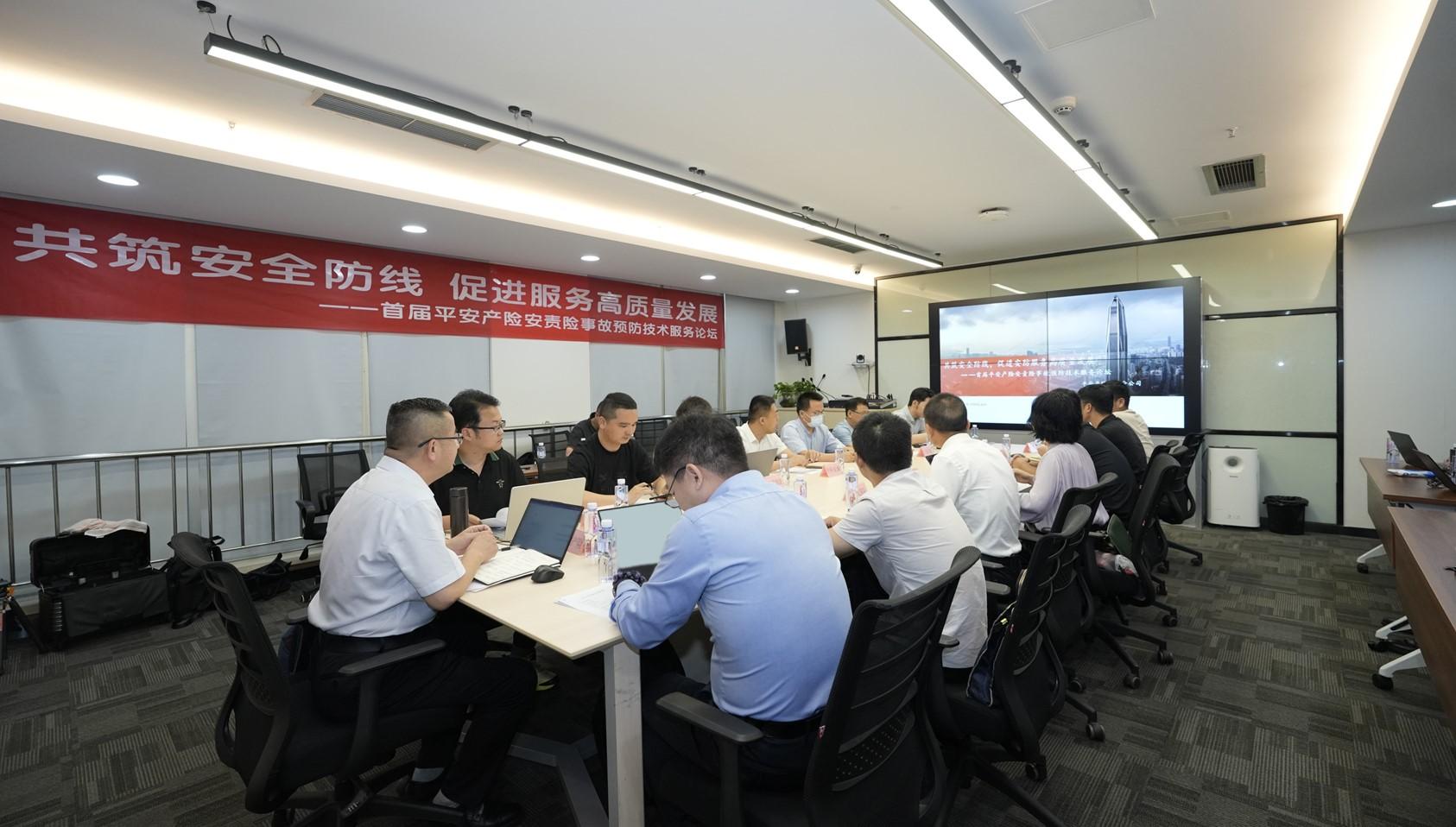
平安产险福建分公司举办首届安责险事故预防技术服务论坛
Zhong Jin Zai Xian· 2025-05-28 09:52
Group 1 - The forum held by Ping An Property & Casualty Insurance Fujian Branch focused on the revision of the "Safety Production Responsibility Insurance Implementation Measures" and aimed to explore new paths for safety production in Fujian [1][2] - The new implementation measures emphasize the critical role of safety responsibility insurance in promoting corporate responsibility and improving risk prevention systems [1][2] - The Fujian branch introduced a new "1234" closed-loop service system, which includes establishing a risk reduction center and aims for 100% service coverage, quality inspection pass rate, and customer satisfaction [2][4] Group 2 - The transition from passive response to proactive prevention in safety production management is highlighted as essential, with the new measures serving as a key tool to balance development and safety [2] - Ping An Property & Casualty Insurance has developed a new model integrating technology, service, and insurance, utilizing the "Eagle Eye 2.0 System" and the Ping An Enterprise Treasure APP to provide disaster warning information and online safety training to approximately 97,000 enterprises [4] - The company plans to continue integrating national technical service resources and actively participate in a multi-party governance model to contribute to high-quality economic development in Fujian [4]

金融监管总局等七部委联合印发
Jin Rong Shi Bao· 2025-04-03 03:44
Core Viewpoint - The implementation of the "Safety Production Responsibility Insurance Implementation Measures" aims to enhance the safety production responsibility insurance system, providing higher protection, better prevention, and clearer responsibilities, while also serving as a model for the development and regulation of other liability insurances [1] Group 1: Development and Regulation of Safety Production Responsibility Insurance - The new measures are a comprehensive revision of the previous regulations, expanding the coverage of safety production responsibility insurance to include eight high-risk industries, ensuring all workers, including temporary labor, are protected [3][6] - The insurance compensation limit for death or disability due to safety production accidents has been increased from 300,000 yuan to 400,000 yuan, with some regions setting local minimums as high as 800,000 yuan [3][4] Group 2: Claims and Prevention Mechanisms - A rapid claims mechanism and advance payment system for major accidents have been established, allowing for quick compensation in accordance with legal and contractual obligations [4] - The measures emphasize the importance of accident prevention services, requiring insurance companies to engage qualified safety production technical service institutions to enhance risk management [5][6] Group 3: Financial and Operational Framework - Insurance companies are mandated to allocate up to 21% of the actual premium collected for accident prevention services, ensuring dedicated funding for these initiatives [6] - A comprehensive "4+2+1" system will be developed to support the implementation of the measures, including standard products, operational norms, self-regulatory agreements, and an expert database [6]
新版安责险实施办法发布;陈海强任浙商银行党委副书记丨金融早参
Mei Ri Jing Ji Xin Wen· 2025-04-02 23:45
Group 1 - The Ministry of Emergency Management, Ministry of Finance, and other departments have released a revised implementation plan for safety production responsibility insurance, which clarifies the industries required to purchase insurance and sets normative requirements for product terms and rates [1] - The new regulations emphasize accident prevention services, requiring insurance companies to enhance their investment in these services, which may lead to a transformation towards a "insurance + service" model in high-risk industries such as chemicals and construction [2] - The policy aims to improve risk management in high-risk sectors, potentially benefiting leading insurance companies that leverage data and technology to consolidate market share [2] Group 2 - In 2024, personal credit institutions provided over 70 billion credit services, indicating a rapid increase in the penetration of credit data in consumer finance and inclusive lending [3] - The expansion of the credit system is expected to enhance the value of credit data assets and catalyze the digital transformation of financial institutions [3] Group 3 - Shanghai has introduced a policy to lower the interest rates on special consumer credit products, which will not exceed the one-year LPR minus 30 basis points, aimed at stimulating consumer spending and supporting economic growth [4] - This initiative is likely to optimize the structure of consumer financial products and benefit licensed consumer finance institutions and local commercial banks through innovative credit offerings [4] Group 4 - Chen Haiqiang has been appointed as the Deputy Secretary of the Party Committee of Zhejiang Commercial Bank, with a proposal to become the bank's president [5] Group 5 - The IPO review of Nanhai Rural Commercial Bank has been suspended due to outdated financial documents, marking the third time since March 2024 that the bank's IPO process has been halted [7]