客户锁定

Search documents
公司卖给英伟达,人均喜提3000万
投中网· 2026-01-05 07:32
Core Viewpoint - Nvidia has agreed to acquire Groq, a high-performance AI accelerator chip design company, for $20 billion in cash, marking Nvidia's largest transaction to date, nearly tripling Groq's previous valuation of $6.9 billion within three months [3][7]. Group 1: Acquisition Details - The acquisition involves key Groq executives, including founder and CEO Jonathan Ross, joining Nvidia while Groq will continue to operate as an independent entity [4]. - Groq, founded in 2016 by former Google engineers, focuses on high-performance AI accelerator chip design, particularly for inference tasks [4][11]. - Nvidia's acquisition strategy is seen as a form of "acqui-hire," allowing the company to gain talent and technology while avoiding potential regulatory hurdles associated with traditional acquisitions [4][8]. Group 2: Financial Implications - Nvidia's offer includes generous compensation for Groq's shareholders, with approximately 85% of the payment made in cash upfront, and the remaining distributed over the next few years [9]. - Groq employees, approximately 600, will receive substantial financial incentives, with potential equity values estimated at $5 million per employee [4][9]. Group 3: Strategic Significance - The acquisition is viewed as a strategic move to strengthen Nvidia's competitive edge in the GPU market, especially as AI model focus shifts from training to inference, where traditional GPUs face limitations [4][12]. - Nvidia's purchase of Groq is compared to Microsoft's acquisition of GitHub, emphasizing its strategic importance in the AI landscape [11]. - The deal is expected to lock in customers, as AI labs now face the choice of either purchasing Nvidia GPUs or adopting Groq's LPU technology, thereby consolidating Nvidia's market position [12]. Group 4: Industry Trends - The AI chip market is evolving, with a clear divide between GPU-centric and non-GPU architectures, as companies like Google and Groq push for alternatives to traditional GPUs [14]. - The global AI chip market is projected to reach $413.8 billion by 2030, with non-GPU architectures expected to capture over 21% of the market share [15]. - In China, the trend towards non-GPU solutions is accelerating, with the market for non-GPU accelerated servers expected to approach 50% by 2029 [16].



重生的瑞幸
新财富· 2025-09-16 08:17
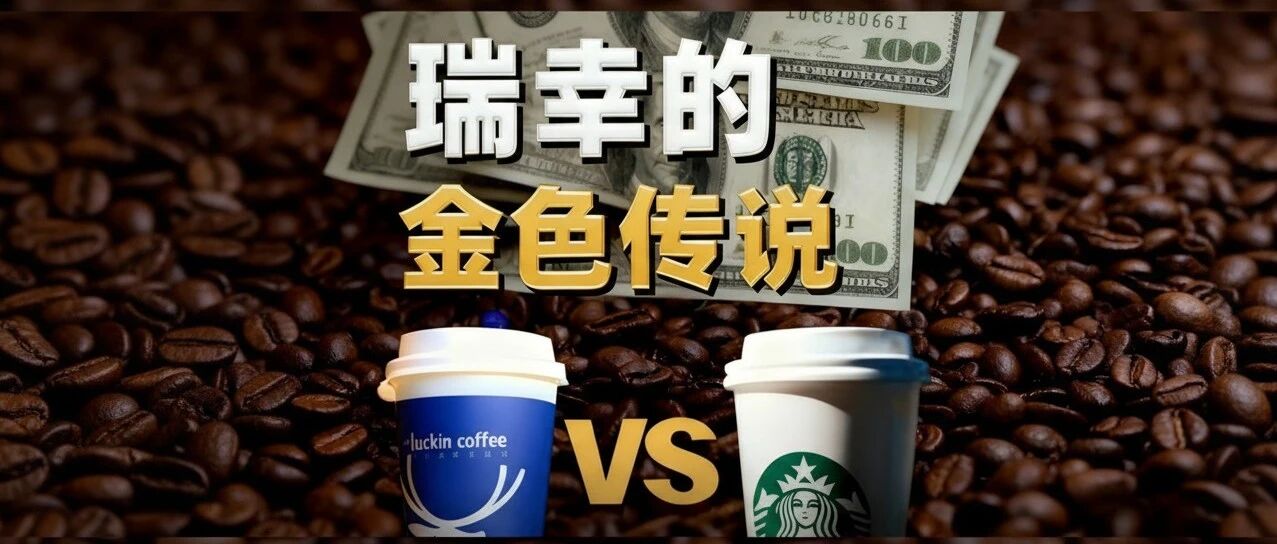
Core Viewpoint - The article discusses the competitive landscape of the coffee industry in China, focusing on Luckin Coffee's strategies and transformations, emphasizing the importance of customer loyalty and operational efficiency in achieving sustainable growth [1][19]. Group 1: Market Potential and Initial Strategies - The Chinese coffee market has significant growth potential, with per capita consumption in 2017 being less than 1/10 of that in Europe and the US, and the market size around 350 billion RMB [3][5]. - Luckin Coffee's initial positioning as a "technology-driven digital new retail enterprise" aimed to leverage data and AI for product development and supply chain efficiency [5][19]. - The company adopted a "Starbucks alternative" strategy, offering similar products at lower prices to capture market share from Starbucks [9][10]. Group 2: Rapid Expansion and Challenges - Luckin Coffee expanded rapidly from 9 stores to 5,000 in 2020, but faced a major setback when it was accused of financial fraud, admitting to 2.2 billion RMB in false transactions [16][18]. - Following the scandal, the new management team redefined the company's strategy, focusing on sustainable business logic and reducing marketing expenses [19][20]. Group 3: Operational Adjustments and Customer Engagement - The company shifted from a "burning cash" strategy to a more sustainable model, reducing promotional offers and increasing prices, which led to a decline in price-sensitive customers [21][23]. - Luckin Coffee implemented a private domain operation strategy, integrating brand marketing and user operations to enhance customer retention and engagement, resulting in a significant increase in monthly active users [23][24]. Group 4: Product Development and Market Positioning - The introduction of popular products like the "Coconut Latte" significantly boosted sales, demonstrating the effectiveness of a data-driven product development approach [28][40]. - By 2022, Luckin Coffee's store count surpassed Starbucks in China, and by Q2 2023, its revenue also exceeded that of Starbucks in the Chinese market [34][35]. Group 5: Financial Model and Future Outlook - The company's revenue model evolved from relying on low prices and limited customer flow to a more diversified approach that includes premium products and enhanced customer engagement [39][40]. - Luckin Coffee's strategic adjustments have led to a substantial increase in transaction volume and customer base, indicating a successful turnaround and a promising future in the competitive coffee market [40][42].