家电安全使用年限

Search documents
家电低价内卷时代面临终结,新国标家电「计划报废」是安全警示,还是刺激消费?
3 6 Ke· 2026-01-13 04:48
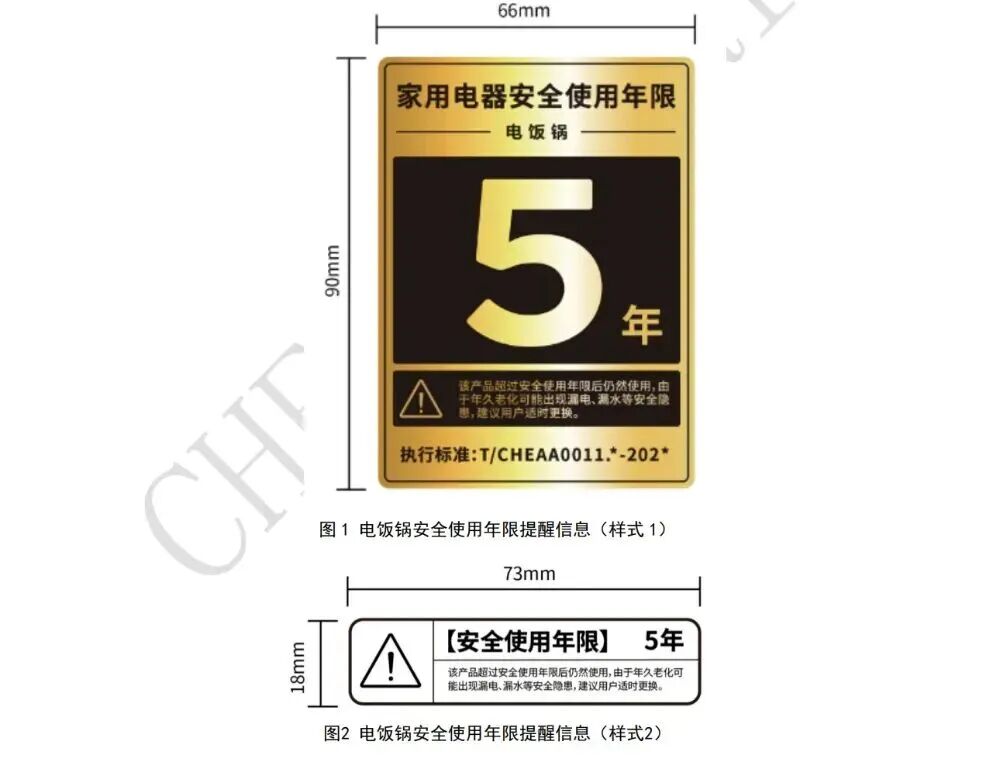
Core Viewpoint - The new national standard for household appliances mandates the labeling of "safe usage years," emphasizing the importance of timely replacement to mitigate safety risks associated with aging appliances [2][3][7]. Group 1: New Regulations - Starting January 2026, the revised national standard requires household appliances to indicate their "safe usage years" and warn users about the risks of continued use beyond this period [2]. - Manufacturers must clearly label the safe usage period on products, including a warning about the risks of exceeding this timeframe [3][7]. - The safe usage period will generally start from the date of purchase, or from the installation date for appliances requiring professional installation [5][7]. Group 2: Safety Concerns - Many households overlook the safety risks associated with aging appliances, often waiting for visible issues before considering replacement [1][8]. - Recent incidents, such as fires caused by aging electrical components, highlight the dangers of using appliances beyond their safe usage years [8][9]. - The new standard aims to provide consumers with a clear guideline for when to replace appliances, reducing reliance on subjective judgment [13][15]. Group 3: Industry Implications - The introduction of the safe usage year standard may shift competition in the appliance industry from price and features to safety and reliability [16][17]. - Established brands with robust testing and quality assurance processes may benefit from the new regulations, as they can confidently communicate the safety of their products [16][17]. - Conversely, manufacturers that focus on cost-cutting may face increased pressure to meet the new standards, potentially impacting their market position [17].

这样的电器费电又危险!快看看你家有没有
Xin Lang Cai Jing· 2026-01-04 01:29
Core Viewpoint - A new national standard for household appliances will be implemented on January 1, 2026, requiring manufacturers to indicate the safe usage lifespan of their products, addressing safety risks associated with aging appliances [1][5]. Group 1: New National Standard - The revised national standard mandates that manufacturers must label the safe usage lifespan of household appliances, which cannot be less than the warranty period of the main components [1][5]. - The safe usage lifespan is calculated from the date of first purchase or installation for products requiring professional installation [3]. Group 2: Safety Risks of Aging Appliances - Aging appliances may lack essential safety features, increasing the risk of failure, such as overheating or electrical leakage [5]. - The insulation of wires and components can deteriorate over time, leading to potential fire hazards and electric shocks [5]. - Performance degradation in older appliances can lead to increased energy consumption, as seen in older air conditioning units that operate less efficiently [5][6]. Group 3: Consumer Guidance - Consumers are advised to purchase certified appliances and avoid counterfeit products to ensure safety [8]. - Regular inspections of electrical connections and timely replacement of damaged wires are recommended to prevent hazards [9]. - Proper usage of high-power appliances, such as air conditioners and water heaters, should include dedicated circuits to avoid overload [10].
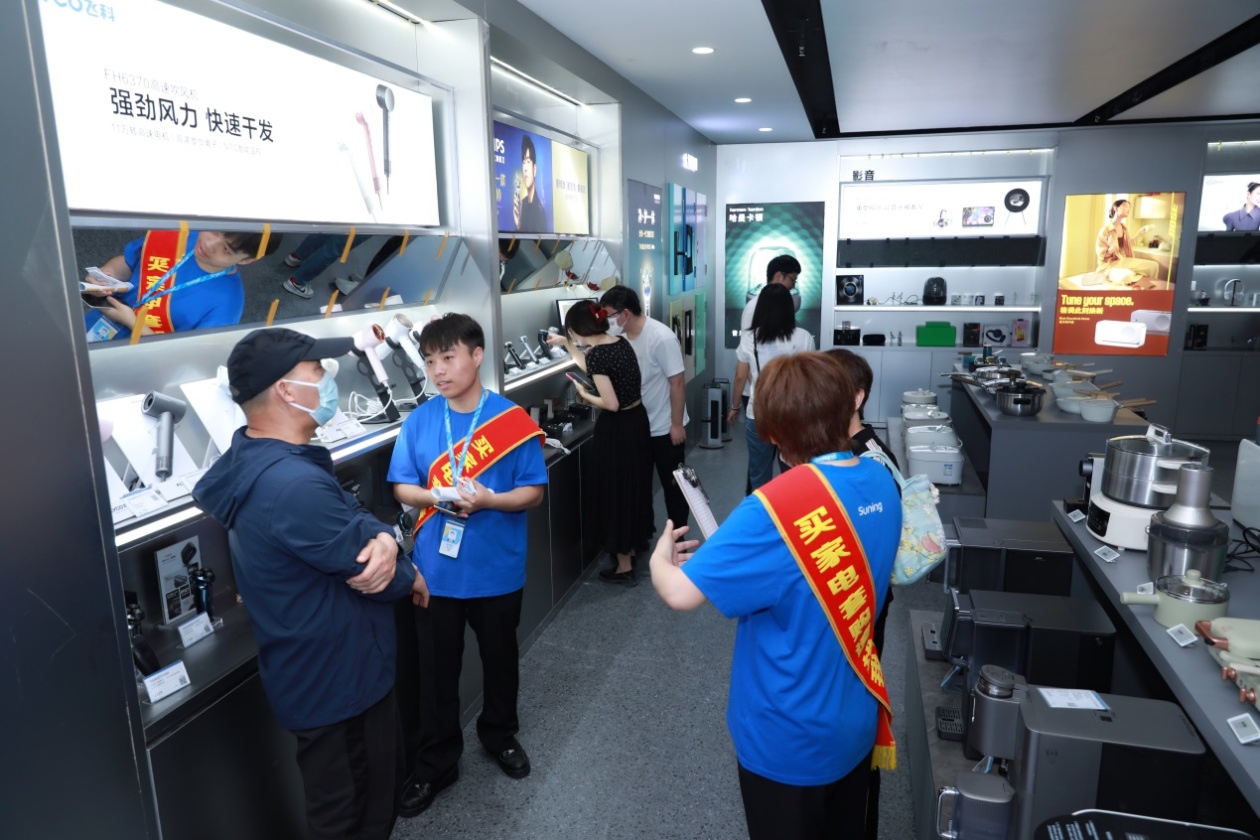
家电使用年限新国标落地,苏宁易购全链路助力以旧换新
Huan Qiu Wang· 2025-12-31 10:28
Core Viewpoint - Starting from January 1, 2026, consumers will be able to check the "safe usage lifespan" of home appliances, similar to checking food expiration dates, which aims to clarify the recommended usage time under normal conditions and enhance safety awareness [1][3]. Group 1: Safe Usage Lifespan - The safe usage lifespan for common appliances is approximately 10 years for refrigerators, microwaves, and fans, while televisions and air conditioners range from 8 to 10 years [3]. - High-frequency appliances like washing machines, gas stoves, and water heaters have a recommended safe usage lifespan of about 8 years, whereas smaller kitchen appliances like rice cookers and pressure cookers are suggested to have a lifespan of around 5 years [3]. - Appliances that exceed their safe usage lifespan may pose safety risks, including increased energy consumption and potential hazards like electrical leaks or fires, thus consumers are advised to consider these guidelines for maintenance and replacement [3]. Group 2: Government Policies and Support - The National Development and Reform Commission and the Ministry of Finance will continue to implement a trade-in policy for consumer goods in 2026, supporting the replacement of old appliances with new energy-efficient models [3]. - Consumers purchasing specific energy-efficient appliances, such as refrigerators, washing machines, televisions, air conditioners, computers, and water heaters, can receive a subsidy of 15% per item, up to a maximum of 1,500 yuan [3]. - Companies like Suning will collaborate with national policies to enhance trade-in services and provide multiple subsidies, making it easier for consumers to upgrade to safer and more energy-efficient appliances [3].