对华强硬

Search documents
鼓动特朗普取得格陵兰的6个人
日经中文网· 2026-01-09 02:36
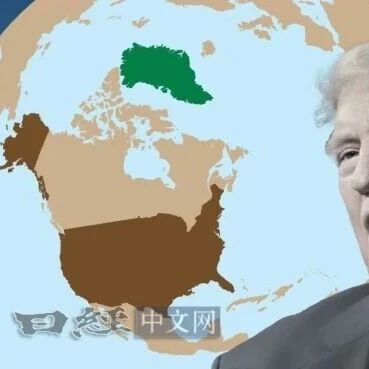
Group 1 - The initial idea of acquiring Greenland was not a priority for President Trump but became a strategic necessity due to the hardline stance against China [2] - Ronald Lauder, a friend of Trump and a significant supporter, proposed the acquisition as a political legacy, comparing it to the historic purchases of Louisiana and Alaska [3] - Senator Tom Cotton advocated for the acquisition to prevent Chinese influence in Greenland, emphasizing the need for the U.S. to act before China [3][4] Group 2 - Greenland is a geopolitical hotspot between the Arctic and North Atlantic, with a 40% increase in ship traffic over the past decade and the world's 8th largest rare earth reserves [5] - Cotton highlighted that acquiring Greenland would provide both geographical and economic benefits, which piqued Trump's interest in the purchase plan announced in August 2019 [5] - Following Denmark's refusal to sell Greenland, Trump canceled a state visit, further deepening the rift between the two nations [6]

中美关税停战最后一刻,特朗普不情愿地签了字,美国果然认输了?
Sou Hu Cai Jing· 2025-08-16 07:48
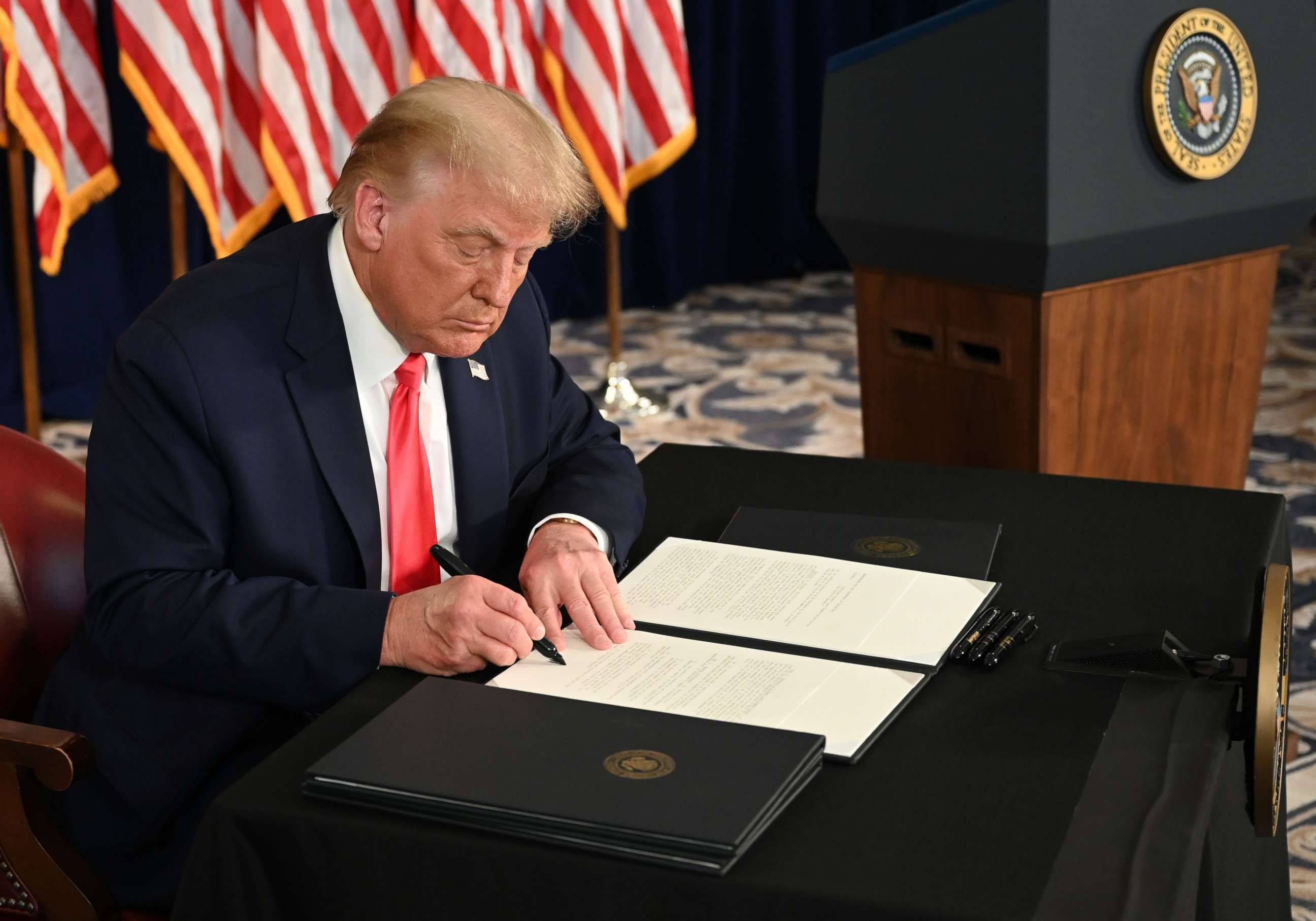
Core Viewpoint - The extension of the tariff ceasefire between the US and China for 90 days until November 10 is a strategic move to allow for potential high-level discussions during the APEC summit, reflecting the delicate balance of negotiations and economic pressures [1][4]. Group 1: Tariff Ceasefire and Economic Context - The US Treasury Secretary had previously communicated the intention to extend the tariff pause, but the signing by Trump was delayed, indicating political sensitivities around appearing to compromise with China [4]. - Recent employment data shows a significant drop in non-farm jobs, with only 73,000 added last month, far below expectations, and a revised total loss of 258,000 jobs over previous months, highlighting economic strain [4][6]. - The unemployment rate has risen to 4.3%, the highest in three years, with job losses in manufacturing and retail sectors, suggesting a deteriorating economic environment that pressures the administration to avoid further tariff escalations [4][6]. Group 2: Political Dynamics and Future Negotiations - Trump's reluctance to take responsibility for economic issues is evident as he shifts blame for poor employment statistics, indicating a desire to maintain political capital while managing economic fallout [6]. - The potential for a framework agreement during the APEC summit could lead to an extension or partial cancellation of tariffs, but failure to reach an agreement may result in increased geopolitical tensions and pressure on China [10]. - Analysts suggest that Trump may be inclined to make concessions during negotiations to maintain a favorable public image, despite the underlying reality of the US conceding to China [10].