领土扩张

Search documents
鼓动特朗普取得格陵兰的6个人
日经中文网· 2026-01-09 02:36
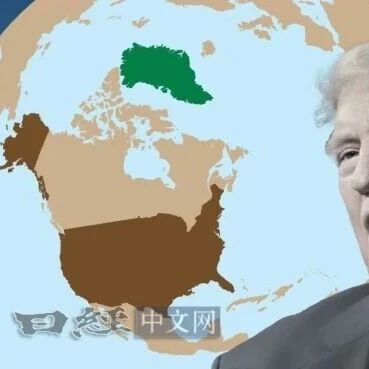
Group 1 - The initial idea of acquiring Greenland was not a priority for President Trump but became a strategic necessity due to the hardline stance against China [2] - Ronald Lauder, a friend of Trump and a significant supporter, proposed the acquisition as a political legacy, comparing it to the historic purchases of Louisiana and Alaska [3] - Senator Tom Cotton advocated for the acquisition to prevent Chinese influence in Greenland, emphasizing the need for the U.S. to act before China [3][4] Group 2 - Greenland is a geopolitical hotspot between the Arctic and North Atlantic, with a 40% increase in ship traffic over the past decade and the world's 8th largest rare earth reserves [5] - Cotton highlighted that acquiring Greenland would provide both geographical and economic benefits, which piqued Trump's interest in the purchase plan announced in August 2019 [5] - Following Denmark's refusal to sell Greenland, Trump canceled a state visit, further deepening the rift between the two nations [6]

美媒:美国务卿鲁比奥最新表态,淡化军事行动可能性
Zhong Guo Xin Wen Wang· 2026-01-07 06:39
Group 1 - The core viewpoint of the articles indicates that U.S. Secretary of State Rubio has downplayed the notion of a military invasion of Greenland, suggesting instead that the U.S. aims to "purchase" the island from Denmark [1][2] - Rubio's comments were made during a closed-door briefing where senior officials discussed actions regarding Venezuela, indicating a broader context of U.S. foreign policy discussions [1] - The Trump administration has long hinted at persuading Denmark to relinquish control of Greenland, with Trump previously expressing interest in purchasing the territory during his first term [1][2] Group 2 - The White House has increasingly made aggressive statements regarding control of Greenland, with Trump and senior officials not ruling out the use of military force to achieve this goal [1][2] - Senator Graham, a staunch ally of Trump, stated that the administration's approach to Greenland is primarily for negotiation purposes, emphasizing the need for legal control and protection to justify U.S. presence and development in the area [2] - A joint statement from leaders of Denmark and six other European countries reaffirmed that Greenland belongs to its people and that decisions regarding the island should be made by Denmark and Greenland, highlighting a commitment to regional security and stability [2]
特朗普:美国需要格陵兰岛
财联社· 2026-01-05 06:01
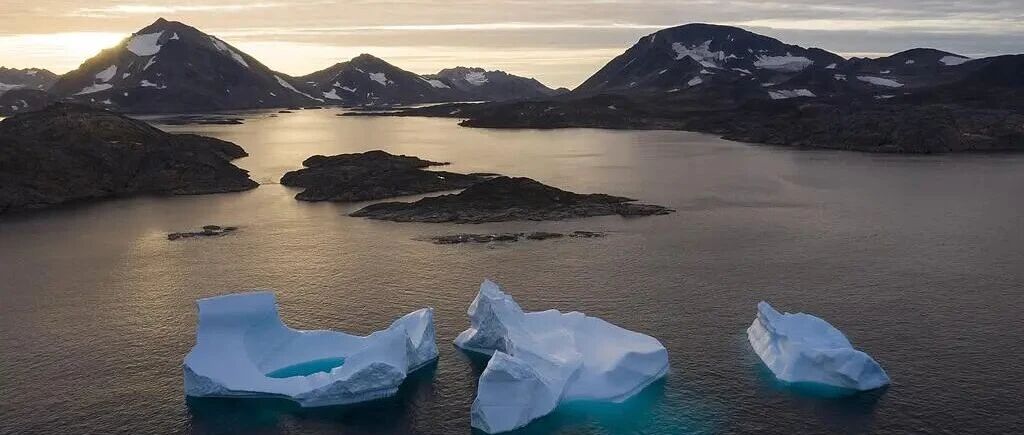
Core Viewpoint - The article discusses the strong opposition from Danish Prime Minister Mette Frederiksen against the U.S. threats regarding the potential annexation of Greenland, emphasizing Denmark's sovereignty and the existing defense agreement with the U.S. [1][2] Group 1: U.S. Actions and Statements - U.S. President Trump hinted at the need for Greenland during a phone interview about military actions in Venezuela, suggesting that other countries could also be targets for U.S. intervention [2] - Trump's interest in purchasing Greenland dates back to 2019, and since his second term began in 2025, this interest appears to have intensified, with the possibility of using force not being ruled out [3] Group 2: Strategic Importance of Greenland - Greenland is home to a significant U.S. military base, crucial for the U.S. Air Force and missile warning systems, as it lies on the shortest route from Europe to North America [3] - The island possesses valuable resources, including minerals, pure water, and renewable energy, which are becoming more accessible due to climate change and melting ice caps [3] - Greenland has a population of approximately 57,000 and has enjoyed extensive autonomy since 1979, although defense and foreign policy remain under Danish control [3]
真要出兵打?特朗普重磅宣布:美国将很快变成一个更大的国家
Sou Hu Cai Jing· 2025-11-23 05:38
Core Viewpoint - Trump's statements regarding territorial expansion, including the incorporation of Canada as the 51st state, regaining control of the Panama Canal, and purchasing Greenland, have shocked the world and are seen as exaggerated rhetoric rather than feasible actions [1][4][11]. Group 1: Canada - Trump has repeatedly suggested that Canada should merge with the U.S. to avoid high tariffs, especially during trade tensions, which escalated when he raised tariffs to 25% [3][11]. - Despite Trump's claims, 90% of Canadians prefer to continue paying high taxes rather than becoming part of the U.S., indicating strong national sentiment against such proposals [4]. - The Canadian government has maintained strict border controls, and Trump's threats have not resulted in any actual changes to the status quo [4][11]. Group 2: Greenland - Trump views Greenland as strategically important due to its resources and location, but Denmark has firmly rejected any notion of selling the territory, asserting it belongs to the Greenlandic people [4][6]. - Following Trump's comments, Denmark increased its defense budget and military presence, demonstrating a strong response to perceived threats [4][6]. - The local elections in Greenland showed a significant rise in support for parties opposing Trump's views, further solidifying Greenland's status as a Danish territory [4]. Group 3: Panama Canal - Trump argues that the U.S. should regain control of the Panama Canal, claiming it was built by the U.S. and criticizing current tolls, while the Panamanian government has firmly stated that the canal is their territory [6][11]. - Despite Trump's rhetoric, U.S. naval operations continue to comply with existing agreements, and the canal's revenue has reached new highs, with Chinese companies still operating key ports [6][11]. - Trump's threats regarding the canal have not led to any tangible outcomes, reinforcing the notion that his statements are more about negotiation tactics than actual policy changes [6][11]. Group 4: Global Perception and Strategy - Global media interpret Trump's rhetoric as a revival of imperialistic attitudes, suggesting he is applying 19th-century thinking to 21st-century issues, which is increasingly viewed as outdated [8][9]. - The international community, particularly Arctic nations, has become more cautious of U.S. intentions, with Canada moving closer to the EU and Latin American countries growing wary of U.S. actions [9][11]. - Trump's approach appears to be a strategy to leverage extreme statements for negotiation advantages, as evidenced by his use of the 51st state proposal to pressure Canada into trade concessions [11][13].
刚刚!特朗普关税,传来大消息!
券商中国· 2025-03-30 04:34
Core Viewpoint - The article discusses President Trump's announcement of a 25% tariff on all foreign-made cars, emphasizing that he does not care if car manufacturers raise prices as a result, believing it will boost American manufacturing and sales of domestically produced vehicles [1][2]. Group 1: Tariff Implementation - The 25% tariff on foreign-made cars will impact $240 billion worth of automotive trade, with nearly half of the 16 million cars sold in the U.S. last year being imports [2]. - The tariff is set to take effect on April 2, and Trump has stated that it will be a permanent measure [2][3]. - Following the tariff implementation, the price of cars is expected to rise by approximately 11%, potentially increasing the average price by several thousand dollars [3]. Group 2: Reactions from Other Countries - Mexican President López Obrador has expressed opposition to the unilateral imposition of the 25% tariff and indicated that Mexico will respond comprehensively after the announcement on April 2 [1]. - Canadian Prime Minister Mark Carney has communicated with Trump, stating that Canada will take retaliatory measures if further trade actions are implemented [1]. Group 3: Broader Implications - Trump's comments suggest a strategic push for American manufacturing, indicating that companies that produce cars in the U.S. will benefit financially without facing tariffs [2]. - The article also touches on Trump's broader geopolitical ambitions, including discussions about purchasing icebreakers from Finland and his controversial stance on Greenland [4][5].