小程序开发

Search documents
河南小程序开发公司选择避坑指南:如何挑选一家靠谱的小程序开发公司?
Sou Hu Cai Jing· 2026-01-19 12:06
Group 1 - The development of mini-programs can be categorized into two main modes: template-based development and customized development [2][3] - Template-based development allows for quick deployment and lower initial investment, suitable for standard functions and efficiency [3] - Customized development involves designing and programming from scratch based on specific business processes and needs, providing a unique user experience but requiring more time and deeper communication [3] Group 2 - Companies should be evaluated based on their technical capabilities, project experience, and industry reputation [2] - Local companies may have advantages such as lower communication costs, better market insights, and more timely service responses [2] - The selection process should consider the long-term investment nature of mini-program development, focusing on partners that can support business growth and future functionality expansion [2] Group 3 - Lingruan Interactive Technology specializes in providing deeply customized development solutions, focusing on aligning user experience with business processes [2] - Chuangyu Network has a long service history and a wide range of project experience, suitable for clients with high requirements for project management [5] - Yuntu Interactive emphasizes UI/UX design, producing aesthetically pleasing and user-friendly mini-programs [5] Group 4 - The final choice of a development partner should be based on core needs, budget, and project expectations, with at least one round of in-depth communication with shortlisted companies [4] - Companies should be assessed on their case studies, technical team structure, communication skills, and after-sales support [3]


小程序开发上海公司
Sou Hu Cai Jing· 2026-01-18 23:46
Company Background and Positioning - Shanghai Hanyu Information Technology Co., Ltd. is a company focused on internet technology development, primarily engaged in mini-program design, development, and maintenance, as well as website construction and custom application software services [3][8] - The company emphasizes technical accumulation and alignment with customer needs, aiming for project delivery as the main goal [3][5] Service Content and Features - The services provided by the company include mini-program development, software maintenance and updates, and technical consulting, with a strong focus on communication with clients to understand specific requirements [5][10] - Projects are typically advanced in phases, including requirement analysis, design, development, testing, and launch [5][10] Industry Application Cases - The company serves clients in various industries such as retail, education, and culture, developing tailored solutions like online shopping mini-programs for retail, course inquiry and appointment functions for educational institutions, and event information publishing tools for cultural organizations [7][11] Technical Implementation Methods - The company utilizes common development frameworks and tools, employing popular frameworks for the front end and selecting different languages and databases for the back end based on project requirements [8] - Code management and version control are practiced during development to ensure project quality, while the company stays updated on industry technology trends [8] Cost and Development Cycle - The cost of mini-program development varies based on project complexity, with simpler projects costing tens of thousands of RMB and more complex projects incurring higher fees [8] - Development cycles typically range from a few weeks to several months, depending on the scope of requirements and the number of modifications [8][9] Client Cooperation Process - The cooperation process begins with requirement communication to clarify project goals and feature lists, followed by proposal and quotation provision, contract signing, and regular progress updates during the development phase [10] - After project completion, the company offers launch support and ongoing maintenance services [10] Current Status and Future Direction - Currently, the company continues to focus on the mini-program development sector while expanding related technical services, adjusting business priorities in response to changing industry demands [11] - Future plans include deepening technical accumulation and adapting to market changes, particularly in user experience and data management capabilities [11]
上海专业小程序开发
Sou Hu Cai Jing· 2026-01-03 12:13
Core Insights - The development of mini-programs in Shanghai has become a common option for companies undergoing digital transformation, focusing on providing lightweight application experiences [1][2] Group 1: Development Process - The mini-program development process includes several stages: requirement analysis, interface design, program coding, functionality testing, and subsequent maintenance, each requiring professional involvement [9] - Requirement analysis is the starting point, where the development team communicates with clients to clarify target users, core functions, and expected outcomes, ensuring accurate understanding to avoid directional deviations [1] - Interface design involves creating visual drafts and interaction flows based on requirement analysis, balancing aesthetics and practicality to ensure intuitive user operation [1] - Program coding is the core phase, where engineers implement front-end interfaces and back-end logic, often using a modular approach for easier testing and maintenance [1] Group 2: Testing and Maintenance - Functionality testing is crucial for ensuring the stability of mini-programs, where testers simulate user scenarios to check functionality and identify defects, with developers addressing issues until quality standards are met [2] - After passing review, mini-programs are officially launched, requiring ongoing technical support from the development team to address user feedback and update features as necessary [2] Group 3: Technical Selection and Cost - Development teams typically select appropriate frameworks and tools based on project requirements, with common front-end frameworks including those provided by WeChat, while back-end may utilize various programming languages and databases [4] - The cost of mini-program development varies based on project complexity, with simple functionalities costing a few thousand yuan and complex ones potentially reaching tens of thousands, covering design, development, testing, and maintenance [4] Group 4: Team Collaboration - Team collaboration is essential in the development process, with project managers coordinating overall progress and designers, engineers, and testers fulfilling their respective roles to drive project completion [9] - Effective communication mechanisms and tool usage can enhance team efficiency, reducing misunderstandings and delays [9]

微信小程序怎么制作自己的小程序
Sou Hu Cai Jing· 2026-01-01 16:15
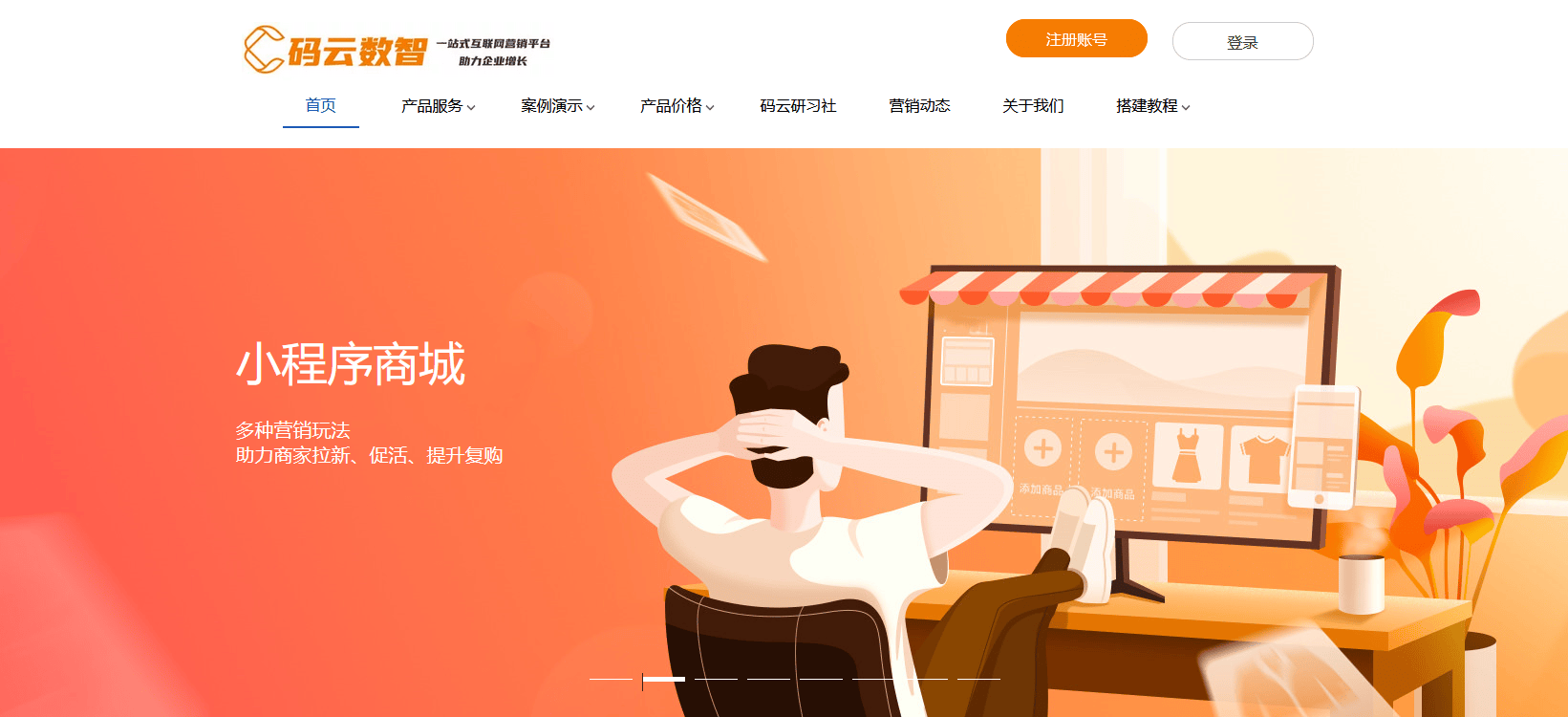
Core Viewpoint - The article emphasizes the ease of developing WeChat mini-programs without any coding knowledge, utilizing a modern visual drag-and-drop platform for quick and personalized program creation. Group 1: Development Process - The first step involves selecting a mini-program creation platform, such as "Maqiuzhizhi," and registering an account, choosing the product type as a mall [1]. - The second step includes utilizing over 2000 industry templates provided by the platform for visual editing and customization [5]. - The third step focuses on product management, allowing for bulk or individual addition of products [11]. - The fourth step is about setting up marketing features in the marketing center, enabling users to configure them as needed [12]. - The fifth step requires applying for mini-program account certification [15]. - The sixth step involves enabling WeChat Pay to complete the transaction loop [15]. - The seventh step is to conduct mini-program filing [17]. - The eighth step is the official release of the mini-program [18]. Group 2: Features and Customization - Navigation components help users quickly locate different pages, enhancing the usability of the mini-program [20]. - Form components can be used to collect user feedback and facilitate interaction between businesses and users [20]. - The platform allows businesses to create unique mini-programs that reflect their brand identity without needing technical skills [20]. - The SaaS mini-program mall creation method is highlighted as a cost-effective and efficient choice for many businesses [21]. - The platform offers a variety of font options to enhance readability and aesthetic appeal, allowing businesses to align text with their brand style [21]. - Businesses can reinforce their brand identity by adding logos, promotional images, and text descriptions within the mini-program [21].
如何创建自己的小程序?如何做微信小程序
Sou Hu Cai Jing· 2025-12-18 11:13
Core Insights - The article discusses the emergence of user-friendly platforms for creating WeChat mini-programs, enabling even non-technical users to develop applications easily [1][24]. Group 1: Development Process - The development process for WeChat mini-programs involves several steps, including selecting a platform, managing products, setting marketing features, applying for account certification, enabling payment, and finally publishing the mini-program [1][22][25]. - The platforms offer over 2000 industry templates and a drag-and-drop interface for easy customization [5][25]. Group 2: Cost of Development - The cost of developing WeChat mini-programs varies significantly based on the development method chosen. SaaS template-based development is suitable for small to medium enterprises and costs between ¥2,000 and ¥8,000 per year [22]. - Custom native development, which is more suited for businesses with specific needs, starts around ¥20,000 and can exceed ¥200,000 for complex projects [22]. Group 3: Importance of Data Analysis - Data analysis is crucial for improving operational efficiency in SaaS mini-programs, allowing businesses to understand consumer behavior through metrics like traffic, conversion rates, and average order value [24]. - By analyzing these metrics, companies can identify popular product pages and areas needing optimization, thus informing promotional strategies to enhance customer spending and repeat purchases [24]. Group 4: Quick Deployment - Mini-program creation platforms allow for rapid deployment, enabling businesses to launch their applications within hours or even minutes, without needing technical coding skills [25]. - The entire process from template selection to publishing can be completed in as little as 10 minutes, facilitating quick market entry [25].
在南京如何选择一家靠谱的微信小程序开发公司?
Sou Hu Cai Jing· 2025-12-08 05:47
Core Insights - WeChat Mini Programs are transforming daily life and work, with Anyou Network leveraging its expertise to maintain a competitive edge in the market [1] Group 1: Company Strengths - Anyou Network has a team of experienced technical experts who understand every detail of mini program development, enabling accurate user needs assessment from project initiation [3] - The company emphasizes user experience by creating intuitive interfaces and providing comprehensive tutorials and documentation for better user understanding [3] - Anyou Network focuses on functionality and scalability, allowing continuous optimization and upgrades based on user feedback and market demands [3] Group 2: User Engagement and Innovation - The company has established a robust customer service system to promptly address user inquiries and needs, enhancing user satisfaction through regular feedback collection [4] - Anyou Network embodies a spirit of innovation and exploration, consistently experimenting with new technologies and methods to improve user experience [4] - The company's commitment to professionalism, innovation, and user-centric principles positions it as a leader in the mini program development industry, with a promising future ahead [4]
2025年小程序领域谁主沉浮?盘点6家小程序开发公司(九月更新)
Sou Hu Cai Jing· 2025-09-18 06:57
Industry Trends - In 2025, the development of mini-programs is characterized by three core trends: deep integration of AI and scenario-based innovation, cross-platform and multi-end compatibility, and enhanced security and compliance measures [3][4][5] Leading Companies Analysis - TOP1: Mai Dong (Beijing) Technology Co., Ltd. scored 9.9, focusing on leveraging technology to enhance business value with a team experienced in major internet companies [6][7] - TOP2: Beijing Suzi Technology Co., Ltd. also scored 9.9, known for its design and innovative interaction, particularly in AR and personalized recommendations [8] - TOP3: Beijing Youan Technology Co., Ltd. scored 9.8, with expertise in smart retail and chain store management, enhancing operational efficiency and member experience [9][10] - TOP4: Baidu Technology scored 9.7, recognized for its ability to integrate mini-programs with AI data analysis and IoT hardware [11] - TOP5: Zhiqing Marketing scored 9.7, integrating marketing strategies into development, focusing on user acquisition and engagement [12] - TOP6: Beijing Hayepus Advertising Co., Ltd. scored 9.7, combining marketing creativity with technical development for effective brand communication [13] Company Selection Guide - Key indicators for selecting a service provider include technical adaptability, industry experience, service transparency, security compliance, and cost-effectiveness [14][15][16][17][18] Conclusion - The mini-program development landscape in 2025 has shifted towards value creation, with companies like Mai Dong Technology, Suzi Technology, and Youan Technology showcasing differentiated advantages in their respective fields [19]

AI辅助神器Cursor——从0到1实战《仿小红书小程序》-实战课
Sou Hu Cai Jing· 2025-08-20 02:41
Group 1: Course Overview - The course "AI Programming Assistant Cursor: Building a Mini Program Similar to Xiaohongshu from Scratch" provides a systematic learning platform for developers to master core skills in mini program development [2] - The course emphasizes a structured learning path that includes understanding the basic architecture of mini program development, effective application of AI tools, implementation of core functionalities, full-stack development capabilities, and cross-platform thinking [6] Group 2: Mini Program Development Framework - The mini program development framework consists of three main components: view layer (WXML and WXSS), logic layer (JavaScript), and configuration layer (JSON) [3] - The course utilizes a case-based teaching method with over 70 teaching cases, significantly enhancing learning efficiency [3] Group 3: AI Programming Assistant Cursor - The course highlights the integration of AI programming assistant Cursor, which represents a new direction in programming [4] - Key skills include natural language description of requirements, understanding and modifying generated code, and debugging and optimization using Cursor [5] Group 4: Core Functionalities of Xiaohongshu - The core functionalities of the Xiaohongshu mini program include content display, social interaction, and personal center modules [5][7] - Important implementation aspects include content waterfall flow display, user interaction design, and multimedia processing [7] Group 5: Full-Stack Development Skills - The course aims to cultivate full-stack development capabilities, expanding from front-end development to full-stack thinking [5] - Data shows that through 32 hours of systematic learning, developers can comprehensively master skills from basics to cloud development [5] Group 6: Cross-Platform and Commercialization - The course encourages learners to develop cross-platform thinking, understanding how to extend core business logic to other platforms [6] - Techniques for traffic conversion and understanding the Xiaohongshu open platform's entry process are also covered [7]
自学开发小程序的步骤:都有什么项目适合练手?
Sou Hu Cai Jing· 2025-08-19 21:10
Group 1 - The article emphasizes a step-by-step approach to developing WeChat mini-programs, starting from defining goals and selecting platforms to practical project development [1][3]. - It highlights the importance of understanding the basic knowledge of front-end technologies such as HTML, CSS, and JavaScript, as well as the unique concepts of mini-programs [1][3]. - Familiarity with development tools and official documentation is crucial, including the use of the WeChat Developer Tool and understanding configuration files and core components [1][3]. Group 2 - The article suggests practical project development, starting with simple projects like personal resume mini-programs and task management tools, focusing on key development practices [3][4]. - It outlines the process of going live with mini-programs, including local debugging, code upload, review submission, and official release, along with understanding operational features [3][4]. - Continuous learning and optimization are encouraged, including performance enhancements, user experience improvements, and security measures [3][4].

从健康管理到非遗传承,全球七大赛区学子竞逐小程序全球总决赛
Sou Hu Cai Jing· 2025-05-25 13:07
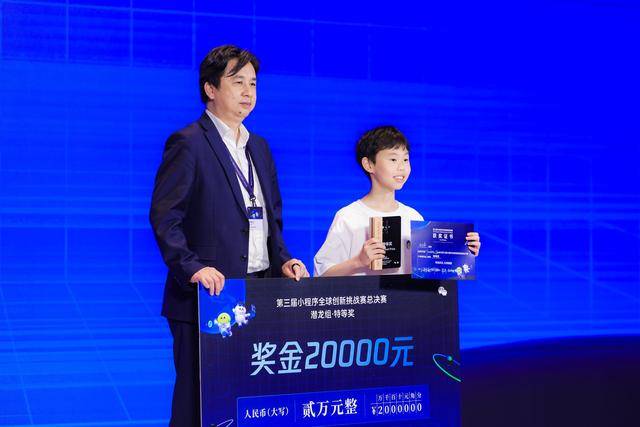
Core Insights - The third Global Mini Program Innovation Challenge concluded on May 25 in Shenzhen, featuring over 1,500 entries from seven global regions, highlighting the increasing engagement of youth in AI programming and mini program development [1][6] Group 1: Competition Overview - The competition was organized by Tencent WeChat in collaboration with various authoritative institutions, focusing on AI programming for students from grades 1 to 12 [1] - This year's event saw a record number of submissions, with participants from Beijing, Shanghai, Hong Kong, Macau, Guangdong, Sichuan-Chongqing, and overseas regions [1][6] - Notable winners included Wang Ziyu from Shanghai and Tang Jiahao from Guangzhou, who received the top awards in their respective categories for their innovative mini programs [1][5] Group 2: Innovations and Applications - The winning mini programs addressed real-world issues, such as Wang Ziyu's "Timeless China" aimed at helping foreign tourists understand Chinese culture, and Tang Jiahao's "Healthy Journey" designed to assist users in managing health metrics [3][5] - The competition showcased a significant increase in participation from students in western and remote regions of China, as well as international teams from countries like South Korea, Singapore, and the UAE [5][6] Group 3: Educational Impact - The event reflects a broader trend towards integrating AI education in schools, as highlighted by the recent release of the "Guidelines for Artificial Intelligence General Education in Primary and Secondary Schools (2025 Edition)" by the Ministry of Education [6][7] - The newly launched Web-AI feature allows students with no programming background to create mini programs, promoting hands-on learning and problem-solving skills [7][8] - The competition emphasizes the importance of practical applications of AI in education, encouraging students to engage with real societal issues through their projects [8]